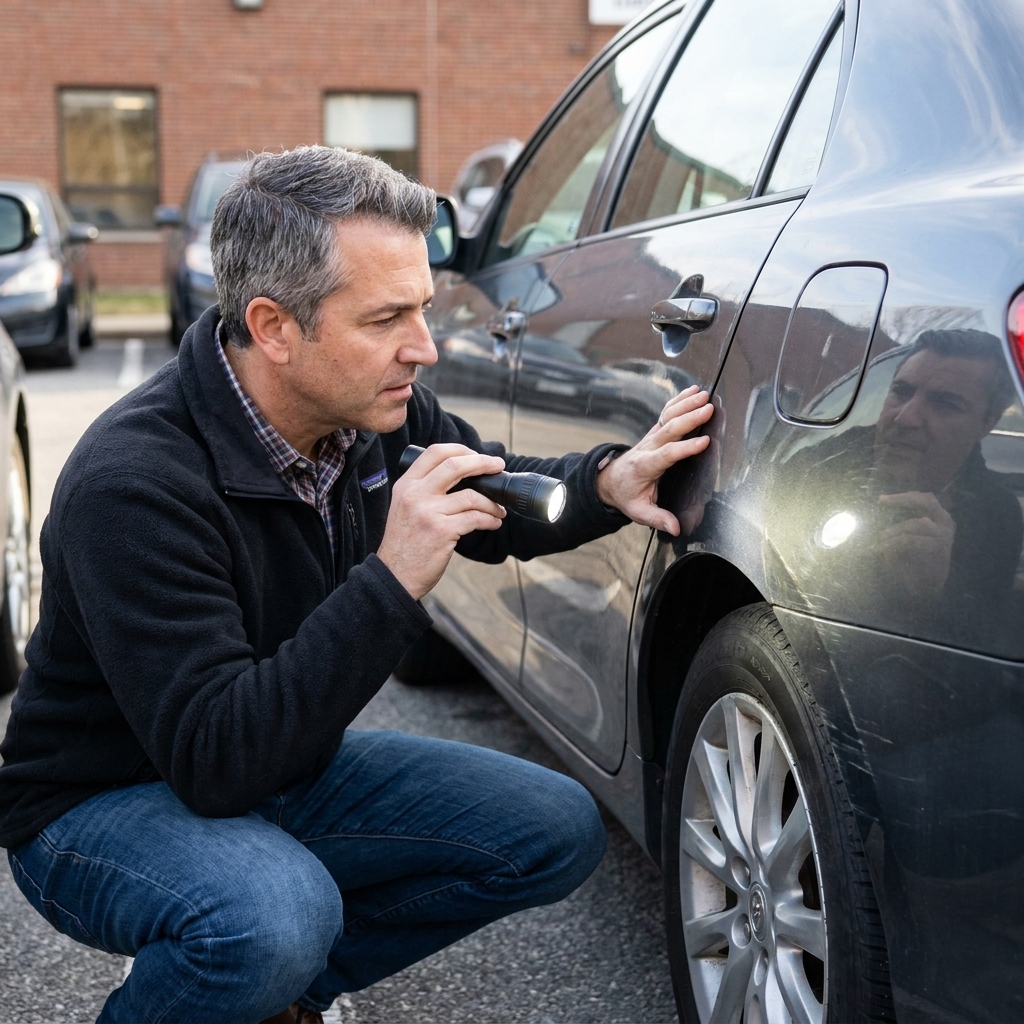
Walk through a secondhand car like a pro. Use this practical checklist to catch hidden damage, mechanical problems, and deal-killing paperwork issues.
Engines do not “randomly” make new noises. When something changes, a sound usually shows up first, long before a warning light decides to join the party. The trick is listening for when it happens (cold start, under load, at idle), where it seems to come from (top of engine, front accessory area, underneath), and what it sounds like (tick, knock, squeal, grind).
This list covers seven noises I hear all the time in the shop and on test drives, what they often mean, and what you can check safely at home.
Quick note: Not every “engine noise” is actually the engine. Clicking on tight turns can be a CV axle, a humming growl can be a wheel bearing, and a clunk over bumps is often suspension. This guide focuses on noises that are commonly engine bay or engine-related, but location and timing matter.

Before you diagnose
- Do not chase sounds with the hood open while leaning over moving belts or fans. Keep hands, sleeves, and hair clear.
- Turn off the radio and HVAC and listen with the windows down near a wall or parked cars. Reflections make noises easier to pinpoint.
- Note the conditions: cold vs warm, in gear vs Park/Neutral, accelerating vs coasting, turning vs straight.
- If the oil pressure light is on, or you hear a hard knock, shut it down. Those two can turn “maybe” into “engine” fast.
1) Ticking at cold start
What it sounds like: A fast, light tick-tick-tick from the top of the engine, often loudest for the first 10 to 60 seconds after a cold start.
What it often means:
- Low oil level or oil that is too thin or too thick for the season.
- Valve train noise (lifters, rocker arms, cam followers) that quiets down as oil circulates and pressure stabilizes.
- Direct injection “click” on many modern engines. Some DI systems are simply louder and make a rhythmic tick even when healthy.
- Timing chain tensioner noise on some engines, especially if it is most noticeable right at startup and then fades.
What you can check:
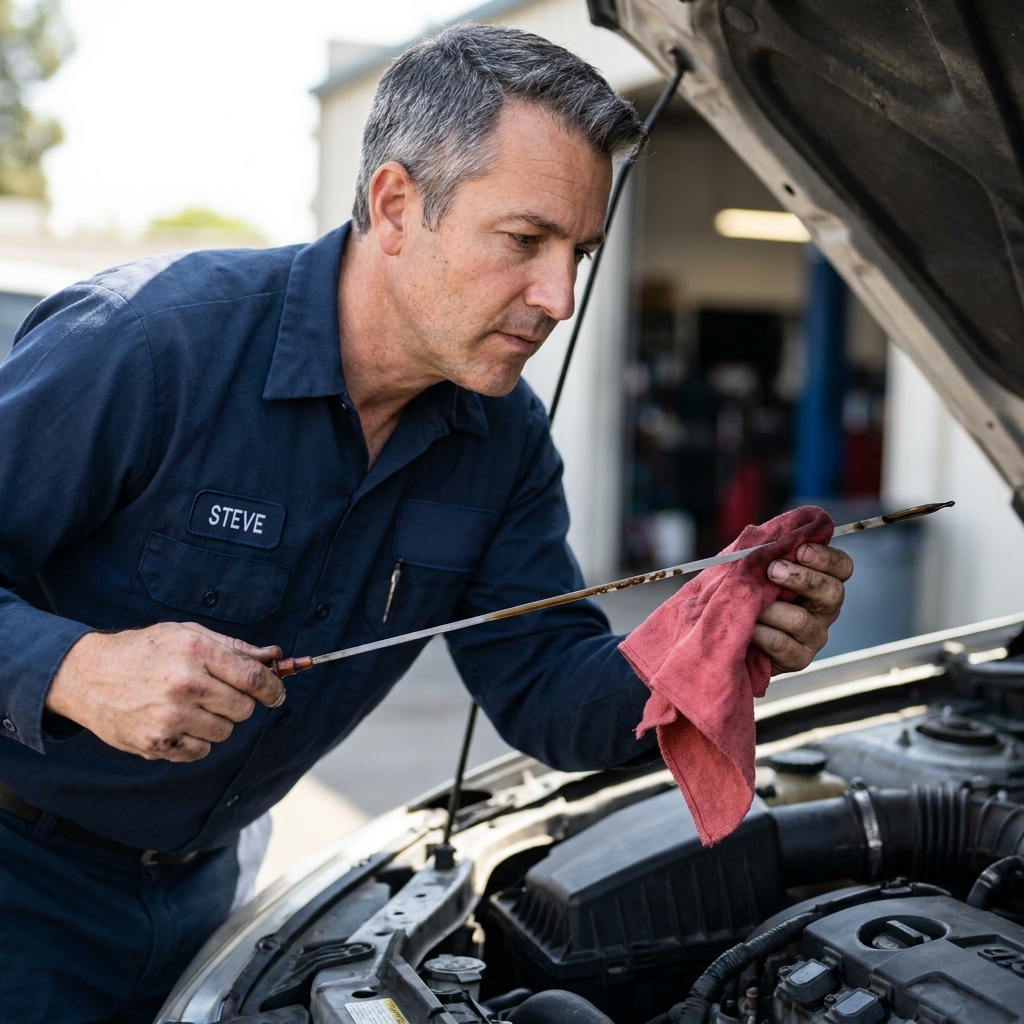
- Check the oil level on a level surface with the engine off (follow your owner’s manual procedure). Top it up if it is low.
- Confirm you are using the correct oil viscosity for your engine and climate.
- If the tick is new and persists warm, plan for a professional look. Prolonged ticking can point to wear, sludge, or an oil flow or pressure issue.
Get it checked soon if: the tick continues after the engine is fully warm, gets louder over days, or shows up with a low oil pressure warning.
2) Knocking under acceleration
What it sounds like: A deeper knock or ping that shows up when you step into the throttle, climb a hill, or accelerate in a higher gear.
What it often means:
- Spark knock (detonation) caused by low-octane fuel for the engine’s needs, excessive heat, carbon buildup, or an ignition timing issue.
- Lean fuel condition or a sensor problem (like a mass airflow sensor issue) that raises combustion temperatures and increases knock tendency under load.
- True rod knock (bearing wear) is rarer but serious. It is usually louder, deeper, and does not care what octane you run.
What you can check:
- If your car requires premium or recommends it for best performance, run the correct octane for a couple tanks and see if the noise changes. If your engine is designed for regular fuel, jumping to premium usually will not fix a mechanical knock.
- Make sure the engine is not overheating. High temps raise knock risk.
- Scan for check engine light codes if the light is on. A simple OBD-II scan can point you in the right direction.
Stop driving and tow if: the knock is heavy and constant, oil pressure is low, the oil light comes on, or power drops suddenly. Bearing damage escalates fast.
3) Squeal on startup or when turning
What it sounds like: A high-pitched squeal for a second or two right after start, sometimes worse in rain or cold. Some cars squeal when you turn the steering wheel at idle.
What it often means:
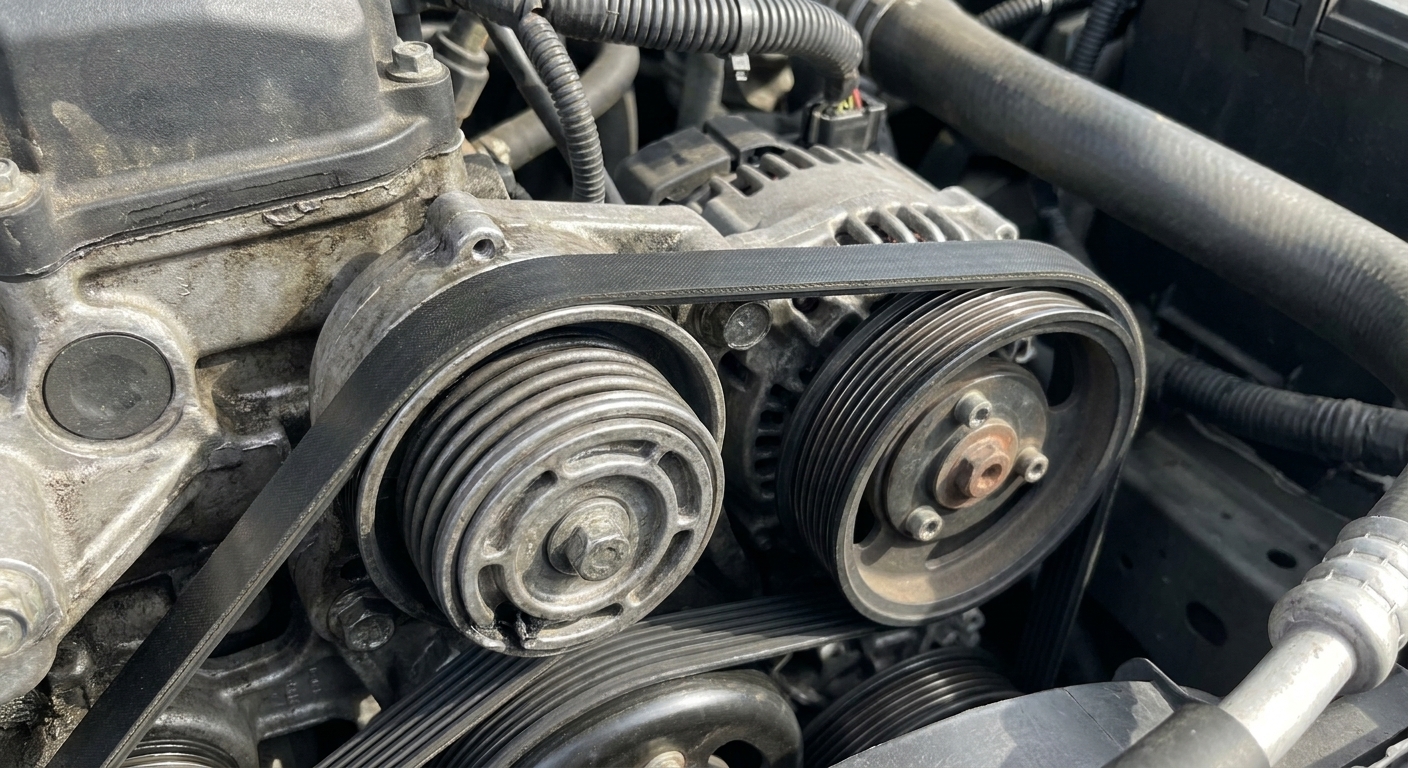
- Worn or glazed serpentine belt.
- Weak belt tensioner or misaligned pulley.
- Accessory drag from the alternator, A/C compressor, or a belt-driven power steering pump (if your vehicle has one).
What you can check:
- With the engine off, inspect the belt for cracks, fraying, missing ribs, or a shiny glazed look.
- Listen for squeal when you switch the A/C on. If it changes, the belt drive is a prime suspect.
- If the squeal happens mainly while steering, know that many newer vehicles use electric power steering and have no belt-driven steering pump. In that case, the noise is still often belt or pulley related, but steering itself may not be the cause.
Why it matters: If that belt fails, you can lose charging and, on many vehicles, coolant circulation if the water pump is belt-driven. Some cars can also lose power steering assist if they use a belt-driven pump.
4) Rattle at idle
What it sounds like: A loose, metallic rattle at idle that quiets down when you raise RPM, or gets worse when you blip the throttle.
What it often means:
- Heat shield rattle (exhaust heat shields love to loosen up with age and road salt).
- Loose exhaust component or hanger.
- Worn engine mount letting the drivetrain vibrate more at idle.
- Timing chain rattle on some engines, especially at cold start or idle. This is more serious and usually comes from the front or top-front of the engine.
What you can check:
- With the car safely parked in Park or Neutral with the parking brake set, have a helper hold RPM at about 1,500 while you listen from outside. A heat shield often sounds like it is under the car, not inside the valve cover area.
- Look underneath for loose shields near the catalytic converter or muffler (only when the exhaust is cool).
Get it checked soon if: the rattle is loudest from the timing cover area, shows up with a check engine light, or you notice rough running. Timing components are not something you want to gamble on.
5) Hissing from the engine bay
What it sounds like: A steady hiss like air escaping, often more noticeable at idle.
What it often means:
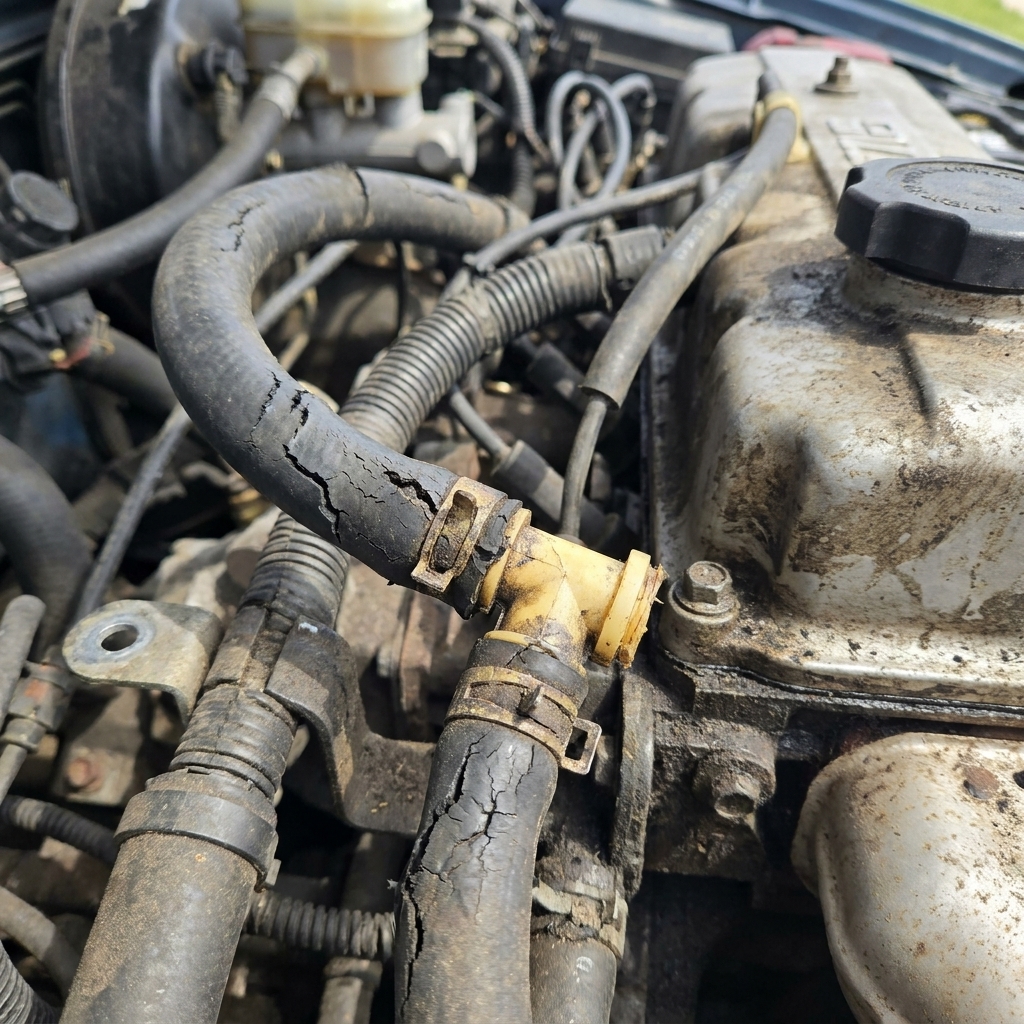
- Vacuum leak (cracked hose, intake boot, PCV hose, intake gasket leak).
- EVAP purge or PCV system noise that can be normal on some vehicles, but a new hiss is worth checking.
- Coolant leak onto a hot surface can also hiss or sizzle and usually comes with a sweet smell.
What you can check:
- Look for cracked rubber hoses and loose clamps between the air filter box and throttle body.
- Pay attention to idle quality. Vacuum leaks often bring a high idle, surging idle, or a lean code (like P0171).
- Check the coolant reservoir level when the engine is cold. If it is dropping, you may have a leak.
Why it matters: Vacuum leaks can lean out the mixture and cause drivability issues. If a lean condition leads to misfires or the engine runs poorly for a long time, that is when catalytic converter temperatures and damage risk start to climb.
6) Grinding when starting
What it sounds like: A harsh grind right as you turn the key or press the start button, usually lasting less than a second.
What it often means:
- Starter drive (Bendix) issue where the gear is not engaging cleanly.
- Worn flywheel or flexplate teeth.
- Starter alignment/shimming issue on platforms where that applies.
- Weak battery can be an aggravating factor by causing slow cranking and rough engagement, especially in cold weather, but it is usually not the root cause by itself.
What you can check:
- Notice if cranking sounds slow or labored. If yes, test the battery and charging system.
- If it only grinds occasionally, pay attention to patterns (hot restarts, cold mornings). Intermittent starter issues often become frequent quickly.
Do not ignore this one: Repeated grinding can chew up the flywheel ring gear. Fixing a starter is one job. Replacing a flywheel or flexplate can be a much bigger bill.
7) Popping or tapping from the exhaust
What it sounds like: Light pops from the tailpipe on deceleration, or a tapping that seems to come from the exhaust manifold area.
What it often means:
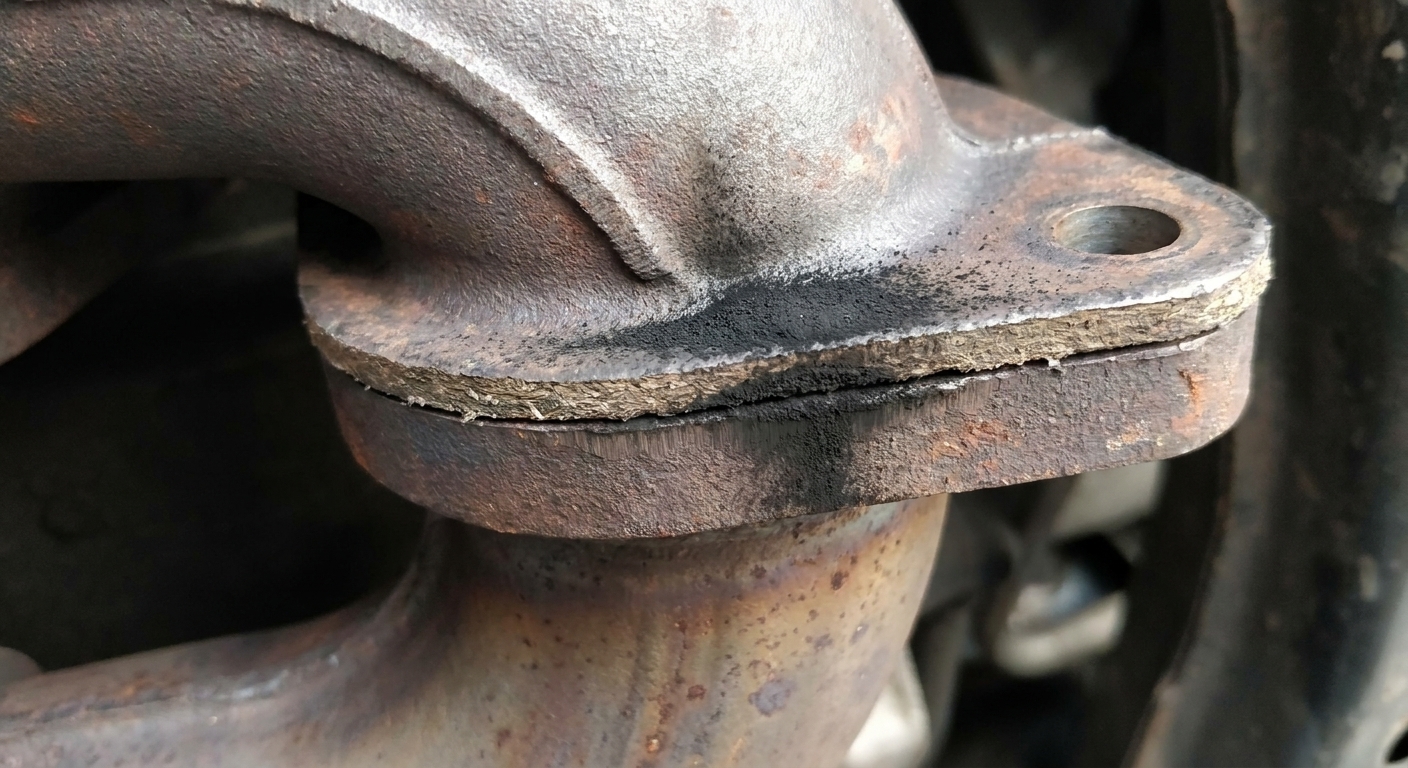
- Small exhaust leak near the manifold, gasket, or a cracked flex pipe. A ticking near the engine that speeds up with RPM can be an exhaust leak.
- Misfire sending unburned fuel into the exhaust, which can pop.
- Aftermarket exhaust behavior can add pops, but a sudden change is the clue that something else is going on.
What you can check:
- Look for sooty black marks around manifold connections or flex pipe areas (only when cool).
- Pay attention to whether the tapping is worse cold and improves as it warms up. Small manifold leaks often get quieter as the exhaust and manifold expand.
- If the check engine light is on or the engine runs rough, scan for codes. A misfire is not just an annoyance, it can damage the catalytic converter.
When to stop driving
Some sounds are “schedule a shop visit soon.” A few are “pull over now.” Here is my simple rule set.
Stop driving and shut it off
- Deep, heavy knocking that rises with RPM
- Oil pressure warning light or message
- Sudden loud metallic banging or a new severe rattle from the timing area
- Overheating, steam, or a strong coolant smell with a rising temp gauge
Drive gently to a shop if needed
- Brief belt squeal that goes away, but returns frequently
- Light ticking that improves warm but is new and persistent
- Rattle at idle that seems external (heat shield), with normal performance
Quick FAQ
Why does my engine tick but the car drives fine?
Many engines tick a little, especially direct-injected ones. What matters is change. If the tick is new, louder than usual, or does not quiet down warm, start with oil level and oil type, then plan a diagnosis.
Can low oil cause knocking?
Yes. Low oil can reduce lubrication and oil pressure, which can lead to bearing noise and serious engine damage. If you hear knocking and the oil is low, do not keep driving and hope for the best.
Is it safe to use thicker oil to quiet a noise?
I get why people try it, but it can backfire. Wrong viscosity can hurt cold-start lubrication and mess with variable valve timing systems. Use the manufacturer-recommended viscosity unless a trusted mechanic advises otherwise for a specific situation.
How can I describe the noise to a mechanic?
Tell them: when it happens (cold start, acceleration, decel), where it seems to come from (top end, front of engine, under car), how long it lasts, and whether any warning lights are on. A short phone video recorded safely from outside the car can help a lot.
Bottom line
Car noises are early warnings, and early warnings are cheaper. If you can identify whether you are hearing a belt squeal, a vacuum hiss, a harmless-ish tick, or a serious knock, you are already ahead of the game. And if your gut says “this does not sound right,” trust it. I have seen too many engines saved simply because someone stopped driving and asked questions before the damage snowballed.