A practical, step-by-step plan for handling a check engine light, including when to pull over, how to use an OBD2 scanner, and what common codes mean.
Welcome to Carynt. I’m Marcus Vance, and I’m glad you’re here.
If you’ve ever felt that sinking feeling at the service counter, stared at a dashboard warning light like it’s judging you, or wondered whether you’re being sold a repair you don’t actually need, you’re my kind of reader. Cars are complicated, but they’re not magic. And you deserve straight answers.

How I got here
I didn’t grow up dreaming about perfect paint or flashy builds. I grew up around DIY people who fixed what they had, learned by doing, and treated a toolbox like a normal household item. Somewhere along the way, I fell in love with the kind of hands-on problem-solving that cars demand.
One of the projects that cemented it for me was an older Honda Civic I worked on with family. It wasn’t glamorous, but it taught me something important: most automotive problems stop being scary the moment someone explains them clearly.
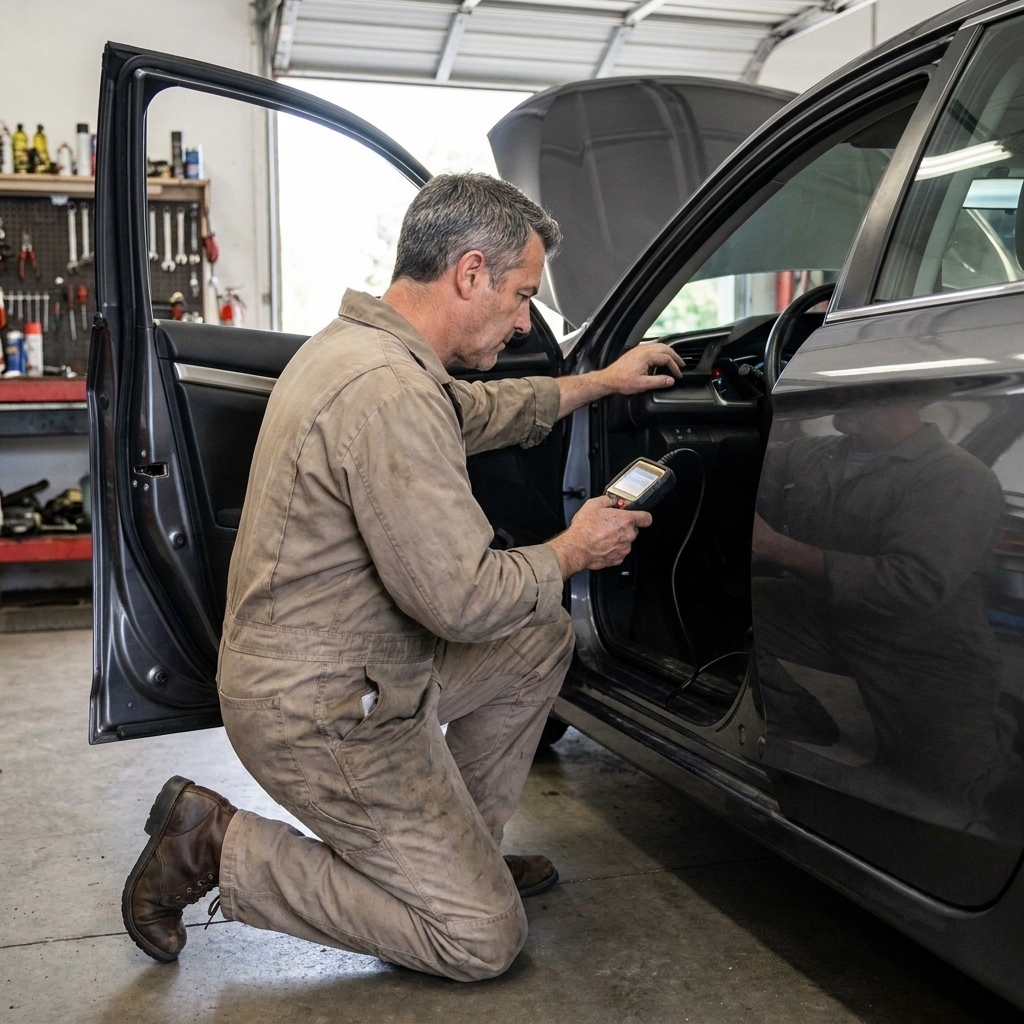
Before I started writing, I spent time learning from real-world repair work and diagnosis, the kind where the symptoms are vague, the budget is real, and the customer just wants to know, “Is this safe, and what happens if I wait?” That experience shaped how I approach every article here: practical guidance, clear next steps, and no shame for not knowing the jargon.
On credentials: I’ve taken ASE certification exams in the past (primarily in core passenger-vehicle areas like brakes and engine performance), but I’m not presenting myself as currently ASE certified. I also won’t imply I’m trained on every new model or system. When a topic depends on model-specific procedures or specs, I’ll tell you what I’m basing the guidance on and point you back to the service information that applies to your exact vehicle.

What this is
Carynt’s mission is simple: help everyday drivers feel confident behind the wheel and in the shop.
That means our Cars and Automotive coverage is built around practical questions real people ask, like:
- What does that warning light actually mean, and is it safe to drive?
- What maintenance is truly required, and what’s just “recommended”?
- How do I choose a reliable used car without getting burned?
- What should I expect to pay for common repairs, and what changes the price?
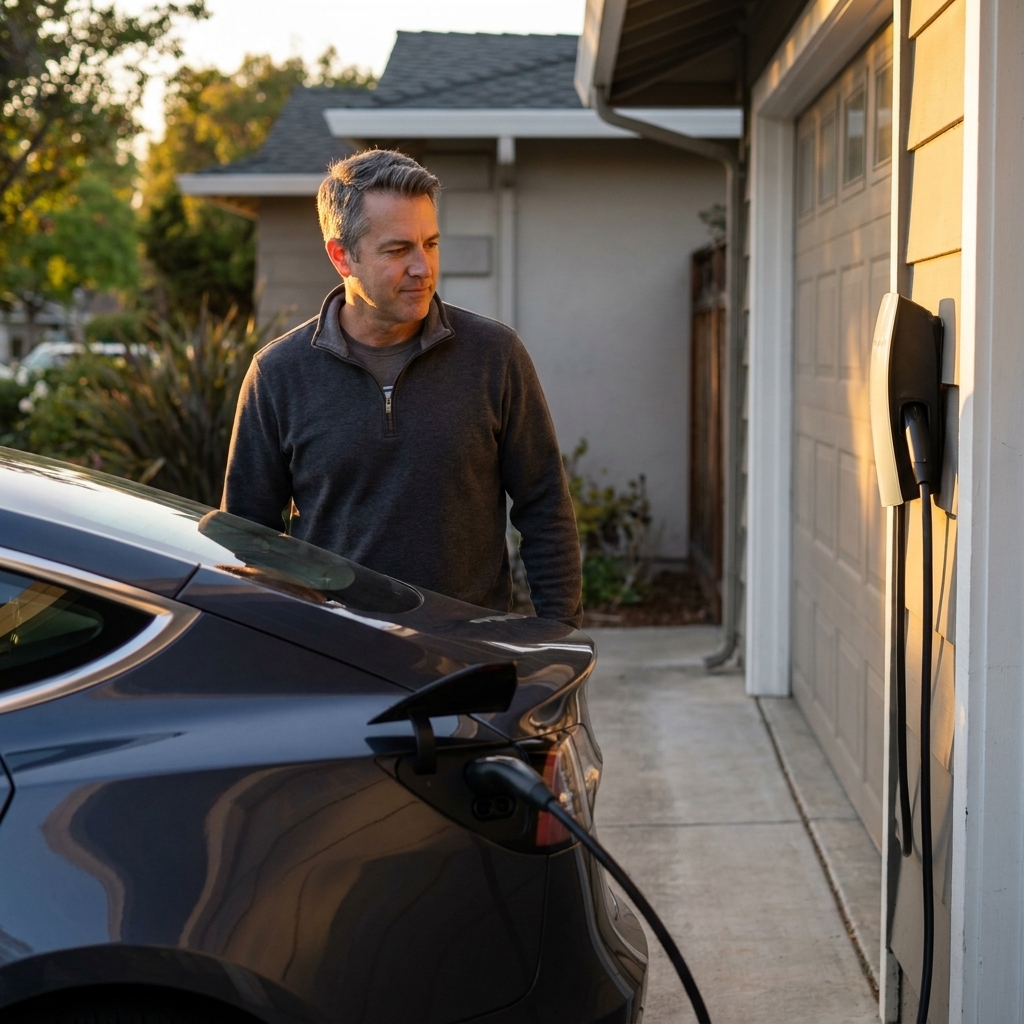
- How do I take care of an EV, and how is it different from a gas car?
I love performance cars and older cars as much as the next gearhead. I’ve got a soft spot for 90s Japanese sports cars. But I’m also fascinated by where the industry is heading: EVs, hybrids, advanced driver assistance systems, battery longevity, and safety tech that can help prevent some crashes in the right conditions. My goal is to explain both worlds without talking down to anyone.
What to expect
I write the way I used to talk through car problems with friends and customers: friendly, direct, and focused on your next move.
Plain English
If a term matters, I’ll explain it. If it doesn’t matter, I won’t use it just to sound smart. You should never need a second tab open just to understand an article.
Clear priorities
Not every problem is an emergency. I’ll help you sort issues into three buckets, then tell you what to do next:
- Fix now: safety concerns or major damage risk
- Fix soon: reliability and cost control
- Monitor: annoying, but not urgent
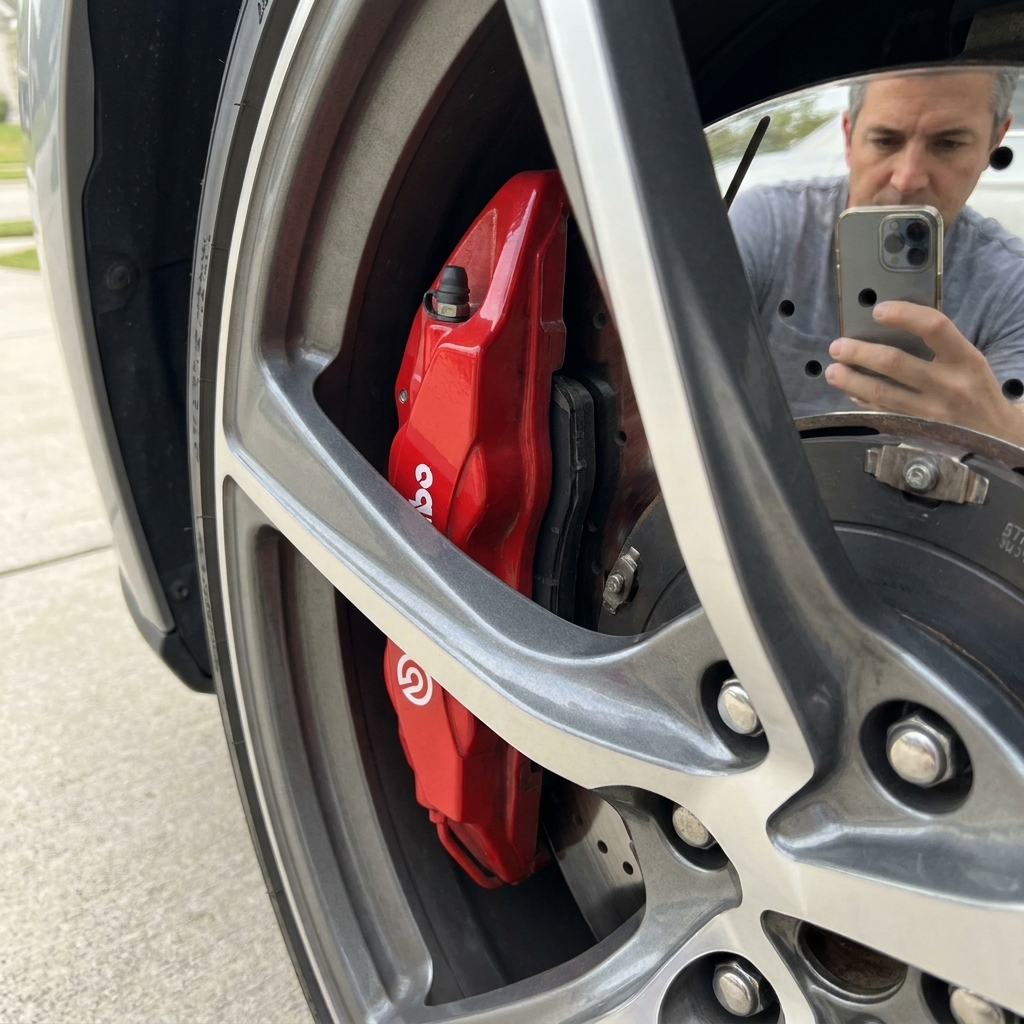
If something could affect braking, steering, tires, airbags, or anything else that keeps you safe, I’ll say so and tell you when to stop driving and get a hands-on inspection from a qualified professional.
Consumer-first advice
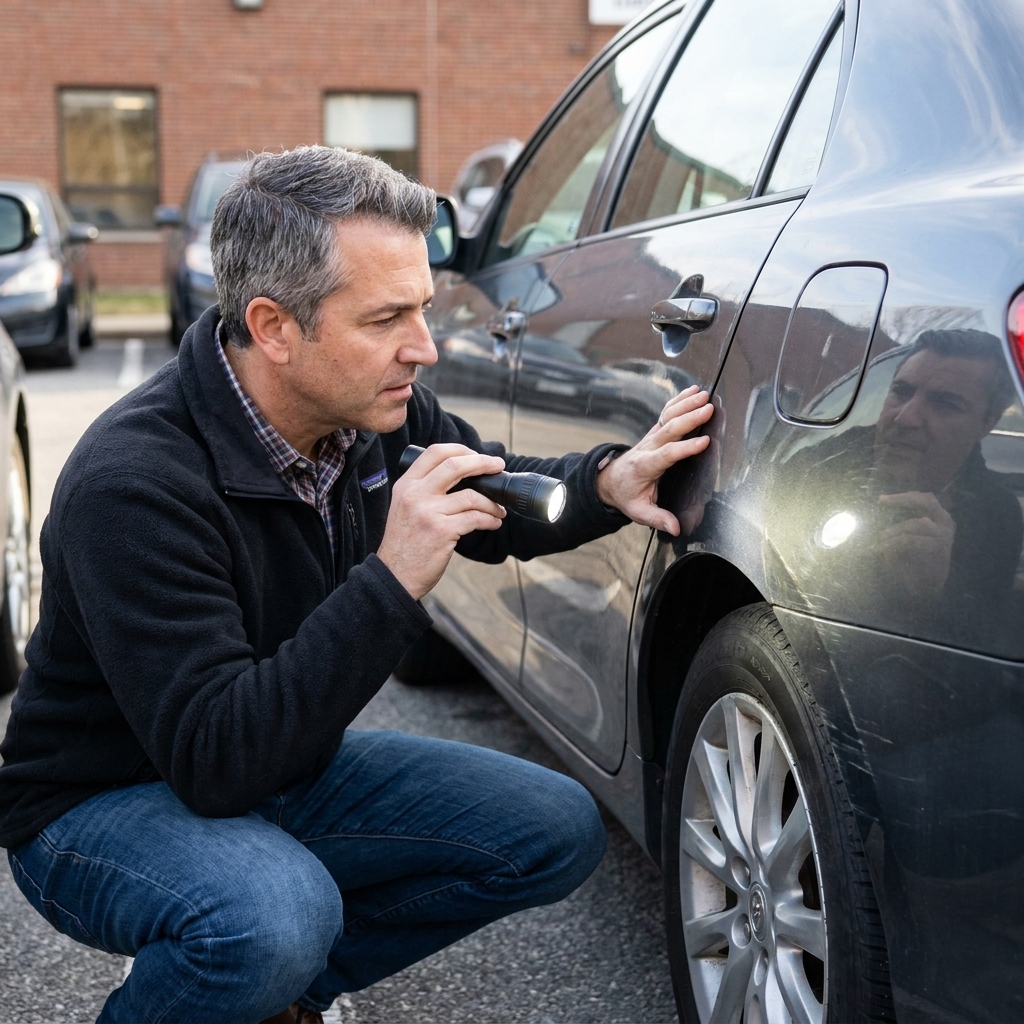
I’m big on protecting readers from predatory tactics. You’ll see tips on how to ask for a written estimate, when to request photos of a failing part, what a diagnostic fee usually covers, and how to compare repair quotes without getting lost in the details. I’ll also call out common pressure plays, like getting handed a long “urgent” list with no photos, no measurements, and no explanation of what can safely wait.
Transparency
Carynt is here to help you make smart decisions. If we cover products or services, we focus on practical fit for real drivers, not hype. If a piece includes affiliate links or a sponsorship, it will be clearly disclosed in that article.
I don’t accept payment from repair shops or brands in exchange for positive coverage. If we ever receive a product for consideration, a discount, or access that a typical reader would not get, we will disclose that, too. Affiliate links never change what I recommend. They do not buy a higher ranking, and they do not override downsides I think you should know about.
Standards and contact
My approach is simple: practical experience first, owner’s-manual reality checks, and a healthy suspicion of vague claims. When I cite maintenance intervals, fluid specs, warning-light meanings, or repair procedures, I lean on manufacturer guidance, service documentation, and reputable industry sources.
When we describe reliability patterns or common failures, I try to ground it in sources that can be checked, such as OEM technical service bulletins, NHTSA investigations and complaint trends, recall data, and established service information systems. Owner reports can be useful context, but they are treated as leads, not proof.
When we recommend products, we’ll be clear about what’s hands-on testing versus research and reporting. Some tools and accessories can be tested directly. Others are evaluated through specs, service documentation, warranty terms, and what working technicians and high-mileage owners tend to see repeatedly.
Also, a quick safety note: this site is informational. It cannot replace a hands-on diagnosis, proper lifting equipment, or a qualified inspection. If something feels unsafe, sounds like metal-on-metal, involves brakes or steering, or comes with a flashing warning light, stop and get it checked.
If you spot an error or want to suggest a topic, you can reach Carynt through the site’s contact page. I read reader messages. If we need to correct something, we’ll update the article and add a note at the bottom in a clear format. For example: “Correction: January 1, 2026: We clarified the recommended tire pressure range for this vehicle.” We’ll also say what changed.
More personal
When I’m not writing for Carynt, I’m usually chasing the next good drive, tinkering in the garage, or learning something new the hard way, one stubborn bolt at a time. I genuinely love the open road, and I believe owning a car should feel like freedom, not stress.
If you’re new here, start wherever you are. Whether you’re shopping for your first used car, trying to keep an aging commuter alive, or figuring out what EV ownership really looks like, I’m glad you found Carynt. Let’s make car stuff simpler.