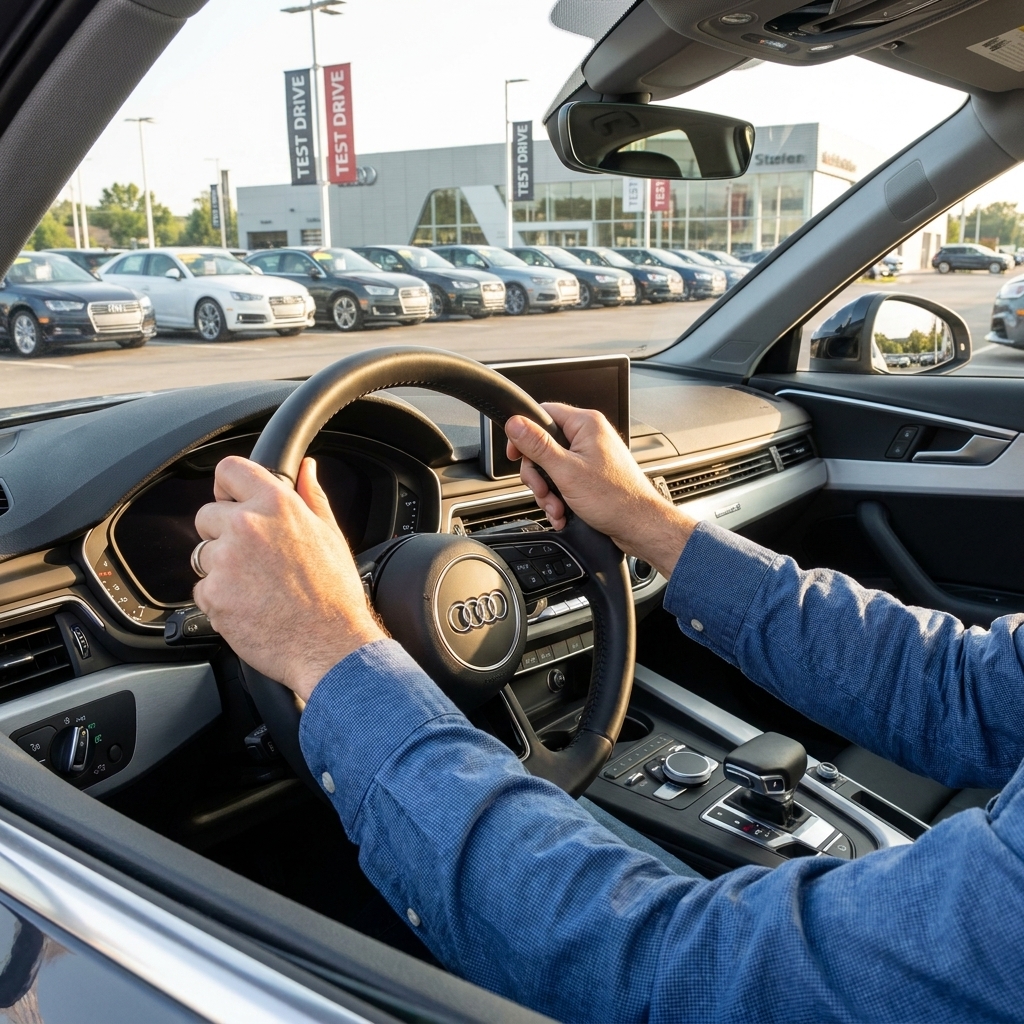
A clear, real-world breakdown of leasing versus buying, including costs, mileage, maintenance, EV incentives, and the best choice for different driving lifes...
I spent years in repair shops watching people get talked into cars that did not fit their lives. EVs are no different. The tech is impressive, but the best electric car is the one that matches your daily routine, your parking situation, and your patience for charging on road trips.
This guide walks through the three big questions to answer before you buy: how far it really goes, how you will charge it, and what it will cost you over time.
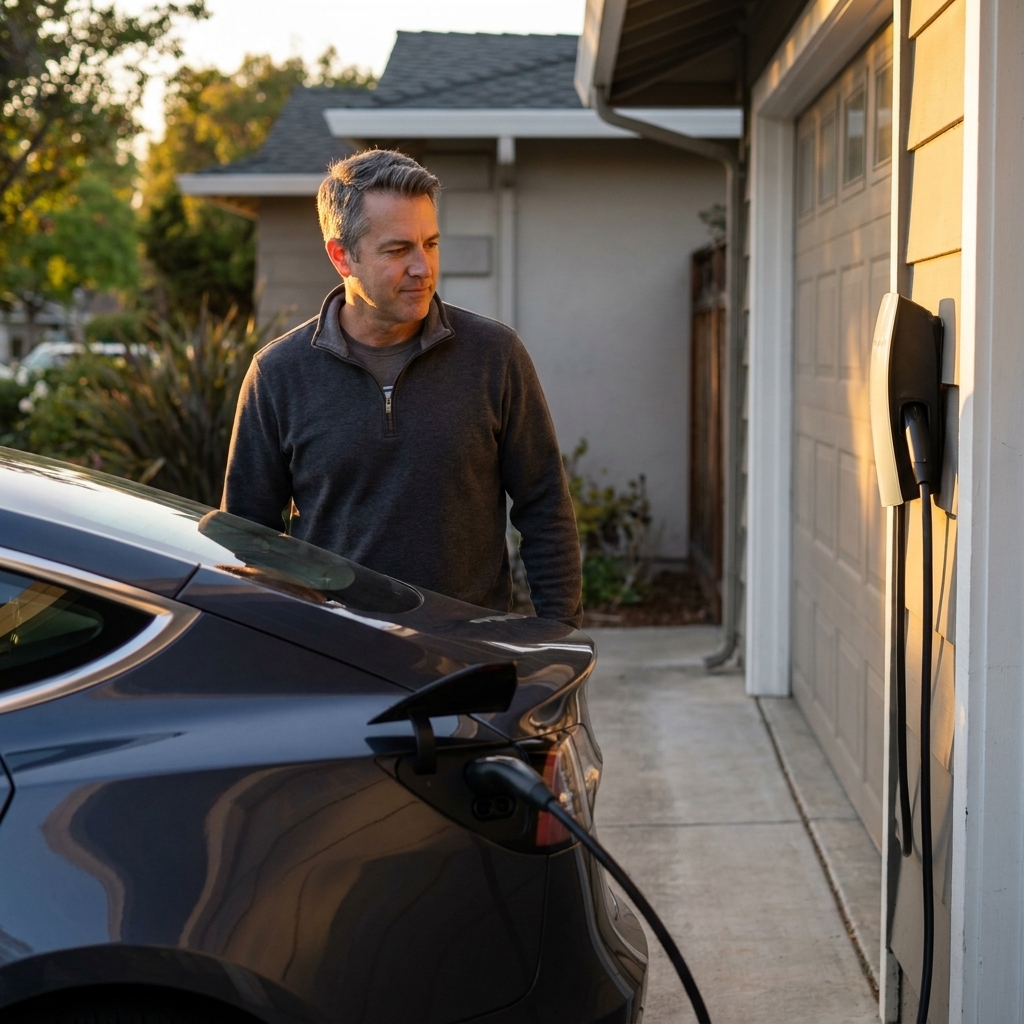
Range: what the number on the sticker does and does not mean
EV range is advertised as an EPA estimate. Think of it like a gas car’s MPG rating: useful for comparisons, but optimistic in perfect conditions. Real-world range depends heavily on speed, temperature, terrain, and how you use the heater or air conditioning.
What cuts range the most
- Highway speed. EVs are efficient around town, but aerodynamic drag rises fast at 70 to 80 mph. That can shave a noticeable chunk off the EPA number.
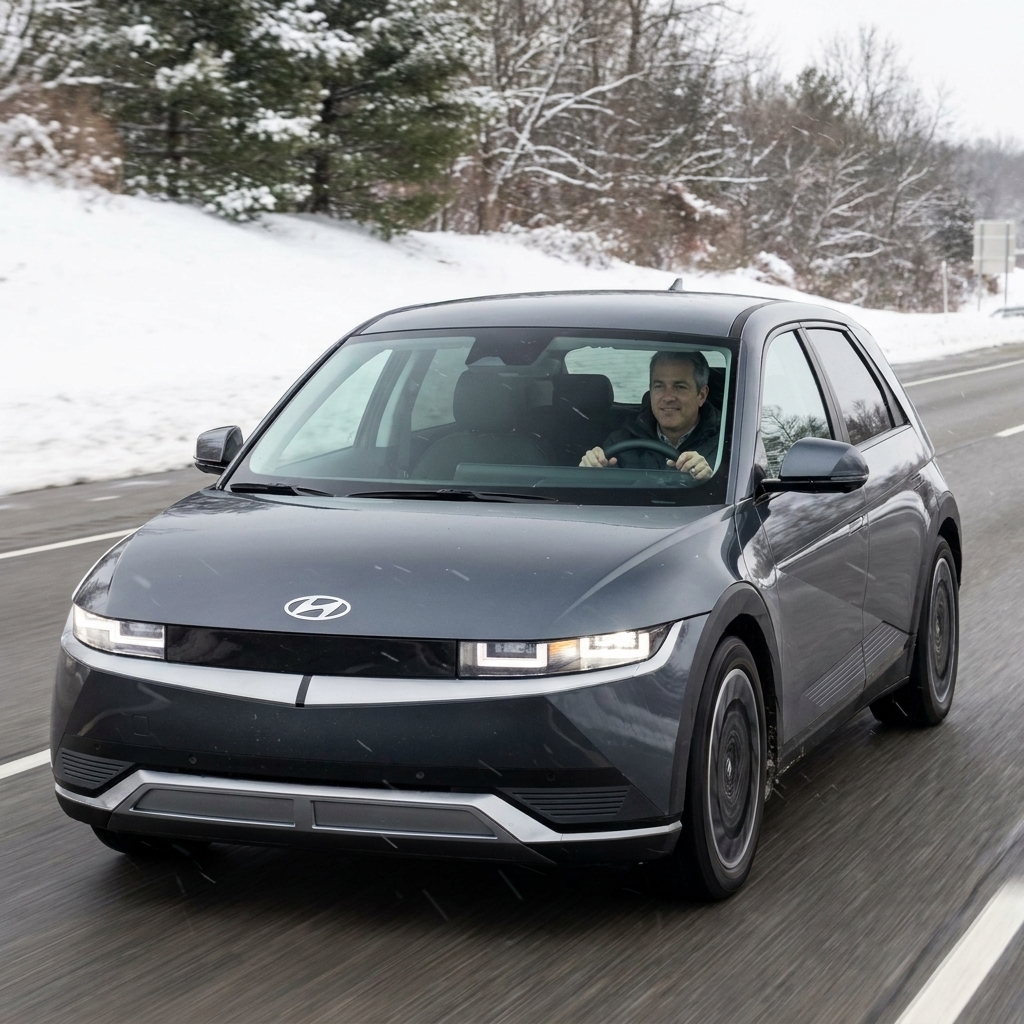
- Cold weather. Batteries deliver less usable energy when cold, and cabin heat takes a lot of power. Winter range drops are often in the 15% to 30% range, and can reach around 40% in severe cold, short-trip driving, or with heavy heater use.
- Big wheels and sticky tires. Sporty wheel packages often look great and handle well, but they can reduce range.
- Headwinds, elevation, and towing. Strong wind and long climbs can eat range quickly. Towing can reduce range dramatically, sometimes by half, depending on speed, trailer shape, and weight.
Range planning: the 70% rule I tell first-time EV buyers
If you are choosing between EVs, do not shop by the EPA number alone. Instead, ask: “Would I be happy if I only got about 70% of that number on a bad day?” That rough buffer covers high speed, cold temps, rain, and battery aging over time. It is a heuristic, not a law of physics. Some drivers will do better, and some will do worse, especially in deep winter or high-speed highway driving.
Example: If an EV is rated at 300 miles, plan as if 210 miles is the comfortable, no-stress range when conditions are not ideal.
City drivers often need less range than they think
If you can charge at home, range anxiety usually fades. Many people drive well under 50 miles a day. The EV that “only” does 220 miles can feel effortless if you start each morning with a full or near-full battery.
Charging: home setup, public chargers, and what speeds really mean
Charging is where EV ownership either feels magical or becomes a headache. The secret is simple: home charging is the game-changer. Public charging is for road trips and apartment dwellers, not daily life if you can avoid it.
Level 1, Level 2, and DC fast charging in plain English
- Level 1 (120V outlet). Uses a standard household outlet. It is slow, but it can work if you drive lightly and can plug in every night. Many EVs add only a few miles of range per hour on Level 1.
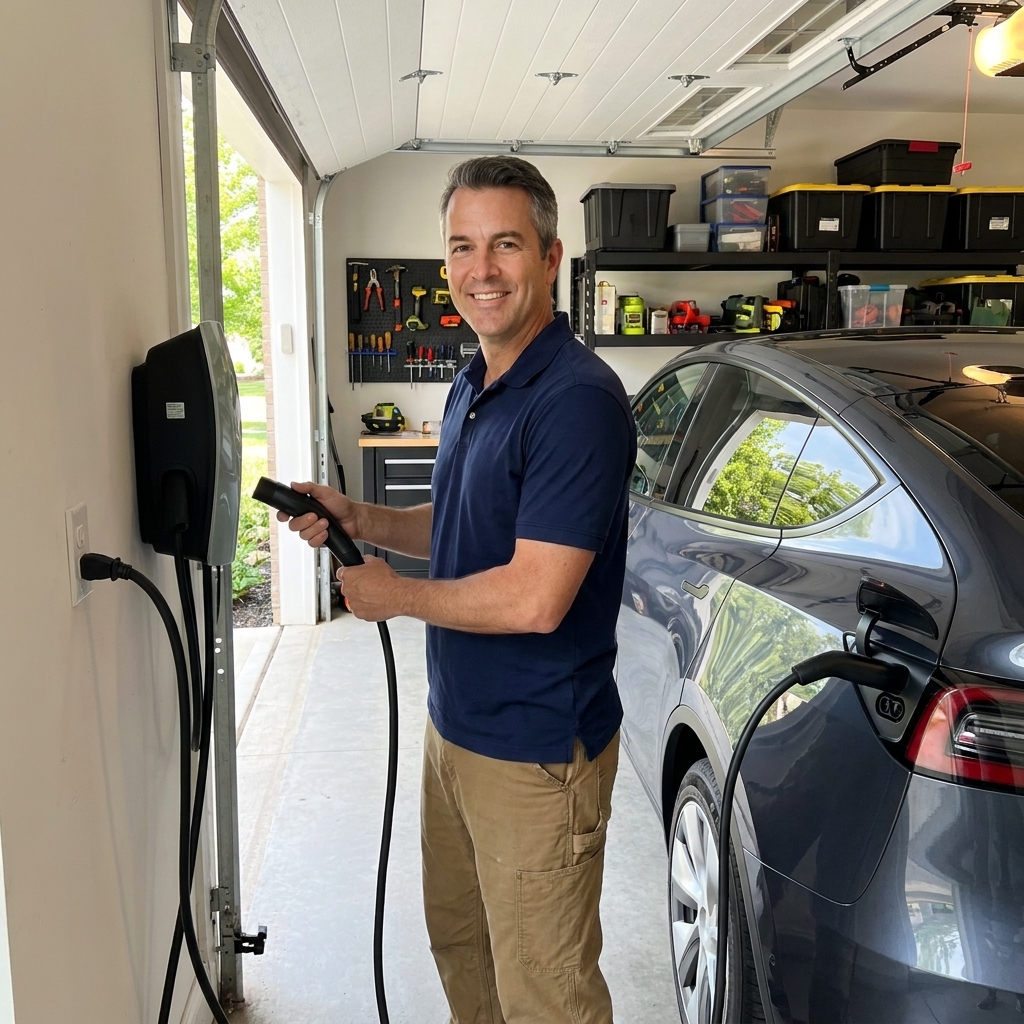
- Level 2 (240V). This is the sweet spot for most owners. A 240V circuit like an electric dryer outlet or a dedicated wall charger adds range much faster. Typical Level 2 charging adds roughly 20 to 40 miles of range per hour, depending on the car, the charger amperage (32A versus 48A), and the vehicle’s onboard charger.
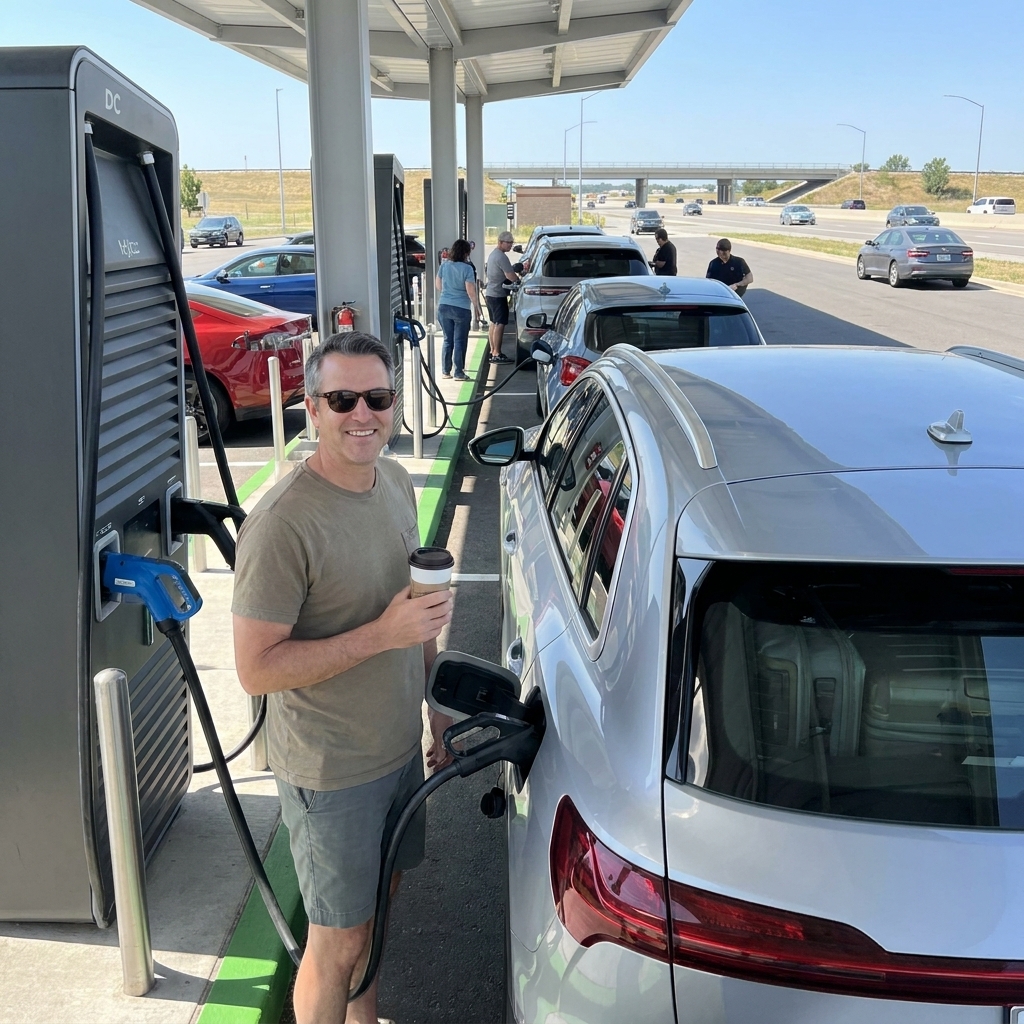
- DC fast charging. This is what you see at highway charging stations. It is the fastest option, but it is often more expensive per kWh than charging at home, and it is not something you want to rely on every day if you have home charging.
As a reality check, a driver who uses 30 to 60 miles a day can often replace that in one to three hours on Level 2. If you regularly drive 100 miles a day, plan for longer sessions or higher-amperage equipment where your car supports it.
Home charging: what to check before you buy the car
Before you fall in love with an EV, answer these questions at home:
- Do you have a consistent place to park? A driveway or garage makes life easy. Street parking can be workable, but it depends on local infrastructure.
- Is your electrical panel up to it? Some homes need a panel upgrade or additional capacity to add a 240V circuit. Get a licensed electrician to check load capacity, especially in older homes.
- How far is the panel from the parking spot? Longer wire runs cost more.
- Will you use a plug-in setup or a hardwired wall unit? Plug-in can be convenient if you already have a 240V outlet. Hardwired is often cleaner and can be more flexible for higher amperage, depending on the unit.
My practical advice: If your budget allows, plan for Level 2 at home. It turns EV ownership into a “plug in, walk away” habit.
If you rent or live in a condo, do not assume home charging is impossible. Ask about a dedicated outlet at your parking spot, whether the building allows a metered wall unit, and what the approval process looks like with the landlord or HOA. Some areas have right-to-charge laws that make it easier. If home charging is a no-go, reliable workplace charging can be the next best thing.
Public charging: what to know before your first road trip
Public charging is getting better, but it is not as uniform as gas stations. Networks, payment methods, charger reliability, and charging speeds can vary by location and brand.
Charging curves matter more than peak kW
EV makers love to advertise a big peak charging number, like 250 kW. In real life, the car does not hold that peak for the whole session. Charging usually starts fast at a low state of charge, then slows as the battery fills. That is why road trips often work best with shorter stops more frequently, charging from about 10% to 60% or 80% rather than pushing to 100% every time.
Plan for the reality of 80% stops
On a long drive, you typically arrive low, charge to around 70% to 80%, then get back on the road. Charging from 80% to 100% can take disproportionately longer.
Reliability: have a backup plan
This is the part new owners underestimate. Chargers can be busy, offline, blocked, or delivering less power than the label suggests. On road trips, build a buffer. Avoid rolling in at 1% because an app promised the site was working. I like to know my next stop and my backup stop, especially in rural areas or late at night.
Connectors: make sure the car matches your area
Charging standards are shifting, and this is not a minor detail. For Level 2, most non-Tesla EVs use J1772 (and many cars include an adapter if they use a different inlet). For DC fast charging, you will commonly see CCS and NACS (Tesla-style). Many non-Tesla brands are moving toward NACS, and adapters are part of the transition.
Before buying, check:
- What connector the car has for fast charging and whether an adapter is included or supported.
- What fast chargers are common on your regular routes including routes you take for holidays.
- Whether the car has built-in route planning that preconditions the battery before arrival for faster charging.
Battery degradation: how EV batteries age in the real world
Every battery loses capacity over time. The good news is that modern EV battery packs generally hold up well when treated reasonably, and most are covered by long battery warranties.
What degradation looks like
Many EVs see the biggest drop early, then the curve tends to flatten out. In day-to-day terms, degradation means your “full” battery might gradually represent fewer miles than it did when new.
Habits that help battery longevity
- Do not live at 100% if you do not need to. For many EVs, charging to 70% to 90% for daily use is easier on the pack than sitting full all the time. Save 100% for road-trip mornings if the manufacturer recommends it.
- Know your battery type. Some EVs use LFP batteries that are commonly approved for regular 100% charging, while many nickel-based packs prefer a lower daily target. Do not guess. Follow the guidance in your owner’s manual and in the car’s charging menu.
- Avoid frequent deep discharges. Try not to run the battery near zero regularly.
- Use DC fast charging strategically. Occasional fast charging is fine. Making it your daily routine can add heat and stress over time.
- Keep it cool when you can. Parking in shade in extreme heat helps, and many EVs manage temperature automatically, but heat is still a long-term enemy of battery health.
Warranty reality check
Most EV battery warranties cover a long period and often include a minimum capacity retention threshold. Read the fine print on what is covered, what counts as normal degradation, and whether the warranty transfers to a second owner.
Costs: what you pay upfront and what you pay every month
EVs can cost more to buy, but they often cost less to operate. The truth depends on your electricity price, how you charge, and whether you avoid expensive fast charging.
Upfront costs to budget for
- Vehicle price. Compare trims carefully. Some EVs are priced competitively, others are premium products.
- Home charging install. A simple 240V outlet near the panel can be modest. A long run, panel upgrade, or complex install can get expensive fast.
- Insurance. Some EVs cost more to insure due to repair costs and parts availability. Get quotes before you commit.
Incentives: do not leave money on the table
Before you sign anything, check current federal, state, local, and utility incentives for new and used EVs and for home charger installation. Some programs have income caps, price caps, or rules about where the vehicle was built. Incentives can change quickly, so verify what applies to your exact trim and your ZIP code, not just the model name.
Fueling cost: electricity versus gas
The easiest way to compare is cost per mile. EV efficiency is measured in kWh per 100 miles or miles per kWh. Your electricity rate and charging habits do the rest.
Here is a simple way to run the math:
- EV cost per 100 miles = (kWh per 100 miles) × (your $ per kWh).
- EV cost per mile = that number ÷ 100.
Example: If an EV uses 28 kWh per 100 miles and your home rate is $0.15 per kWh, that is about $4.20 per 100 miles, or $0.042 per mile. If you do the same charging on a pricey fast charger, the number can swing a lot, which is why home charging matters so much.
- Home charging at off-peak rates can be extremely affordable in many areas.
- Public DC fast charging is often more expensive than home charging and can approach the cost per mile of an efficient gas car if you rely on it frequently.
Maintenance: what goes away and what does not
As a former mechanic, this is where I see people get pleasantly surprised. EVs skip a lot of traditional maintenance:
- No oil changes.
- No spark plugs or ignition coils.
- No engine timing belt or timing chain service.
- Less brake wear thanks to regenerative braking, if you drive smoothly.
But EVs still have normal car stuff:
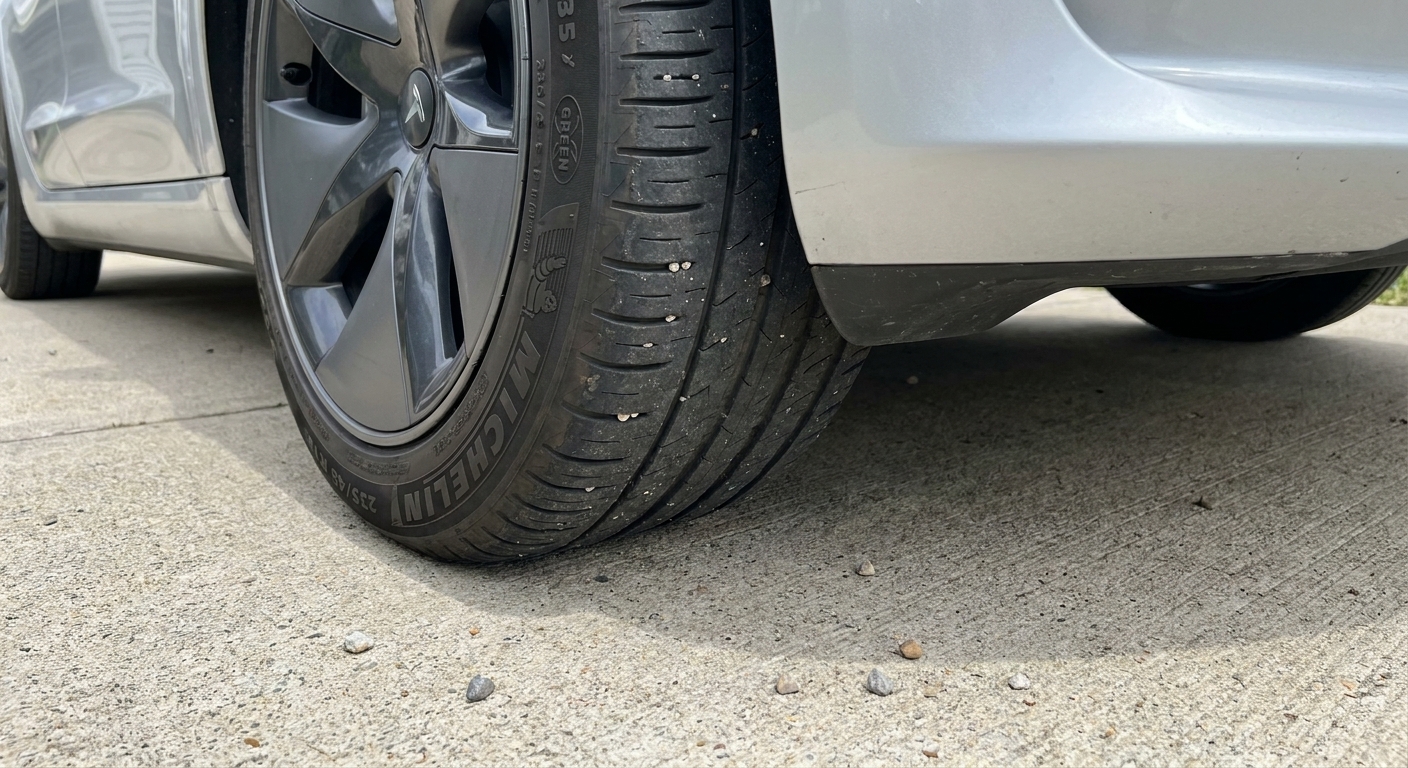
- Tires. EVs are heavy and make instant torque. Many go through tires faster than expected, especially with aggressive driving.
- Suspension and alignment. Potholes do not care what powers your car.
- Cabin air filters, wiper blades, brake fluid. Still a thing.
- Coolant loops. Many EVs have cooling systems for the battery and power electronics that may require service on a schedule.
Picking the right EV for your life
If you are deciding between models, focus on fit, not hype. Here is what I suggest you evaluate in this order:
- Charging at home. If you can install Level 2, your EV experience improves dramatically.
- Your real daily mileage. Look at your actual driving over a typical week, not your biggest road trip of the year.
- Road trip frequency. If you road trip often, prioritize fast charging performance, charging network access, and route planning.
- Cold climate needs. If you live where winters are real, look for strong cold-weather range and efficient heating features. Heat pumps, battery preconditioning, and heated seats and steering wheels can make a real difference.
- Space and usability. Cargo room, rear seat comfort, and visibility matter more than a spec sheet.
Used EVs: what I would check
A used EV can be a great deal, but you want to walk in with your eyes open.
- Battery warranty left. Check the in-service date and read the capacity coverage terms.
- Charging capability and connector. Make sure it supports the fast charging you will actually use, and confirm what adapters come with the car.
- Tires and alignment. Uneven wear can mean the last owner enjoyed the torque a little too much or the alignment is off.
- Software and features. Confirm OTA update support, driver-assist features, and whether any features require a paid subscription.
- DC fast charging history. It is hard to verify perfectly, so treat it as an unknown. Focus on overall condition, warranty, and whether the car still charges at expected speeds on a test session.
Test drive checklist
- Try one-pedal driving. Some people love it, some do not. Make sure it feels natural to you.
- Check the charging info screen. Look for estimated time to charge and whether the car shows battery preconditioning options.
- Evaluate visibility and mirrors. Some EV designs prioritize aero and styling over sightlines.
- Listen at highway speed. EVs are quiet, which makes wind and tire noise more noticeable. Take a real highway loop.
- Ask about included charging equipment. Confirm what comes with the car, including mobile cords and adapters.
Common EV questions, answered
Should I charge to 100% every night?
Usually, no. For many EVs, daily charging to somewhere below 100% is better for long-term battery health. Some LFP-equipped EVs are an exception and may be fine at 100% more often. Either way, follow the guidance in your owner’s manual.
How long will the battery last?
It depends on the vehicle, climate, mileage, and charging habits. Most modern packs are designed for long life, and battery warranties are typically lengthy. Look at warranty terms and real owner experiences for the specific model you are considering.
Is an EV still worth it if I cannot charge at home?
It can be, but it is more complicated. If you will rely on public charging, map chargers near your home and work, check pricing, and be honest about your tolerance for waiting. If you can charge at work reliably, that can substitute for home charging.
Do EVs cost more to repair?
Some repairs can be pricier, especially bodywork and anything involving specialized parts or calibration. On the flip side, EVs have fewer routine service items than gas vehicles. Insurance costs can be the deciding factor, so get quotes early.
My bottom line
If you can charge at home and your daily driving fits inside an EV’s realistic range buffer, an electric car can be one of the easiest vehicles you will ever live with. The biggest mistake I see is buying based on the headline range number without thinking through charging access and winter reality.
Do those two things, and you are already ahead of the game: install or plan for Level 2 charging, and shop range like a realist, not an optimist.