A beginner-friendly EV guide that breaks down real-world range, charging at home and on the road, connector types, battery degradation, incentives, and the c...
Back when I was wrenching on plain old gas cars, braking meant one thing: turn speed into heat and throw it away. Regenerative braking flips that on its head. In a hybrid or EV, a lot of your slowing down can be used to make electricity and put it back into the battery.
It is not magic, and it is not “free energy.” It is a clever way to recover some of what you already paid for in fuel or battery charge. Here is how it works, what it can and cannot do, and how to drive so you get the most benefit without annoying your passengers or cooking your brakes.
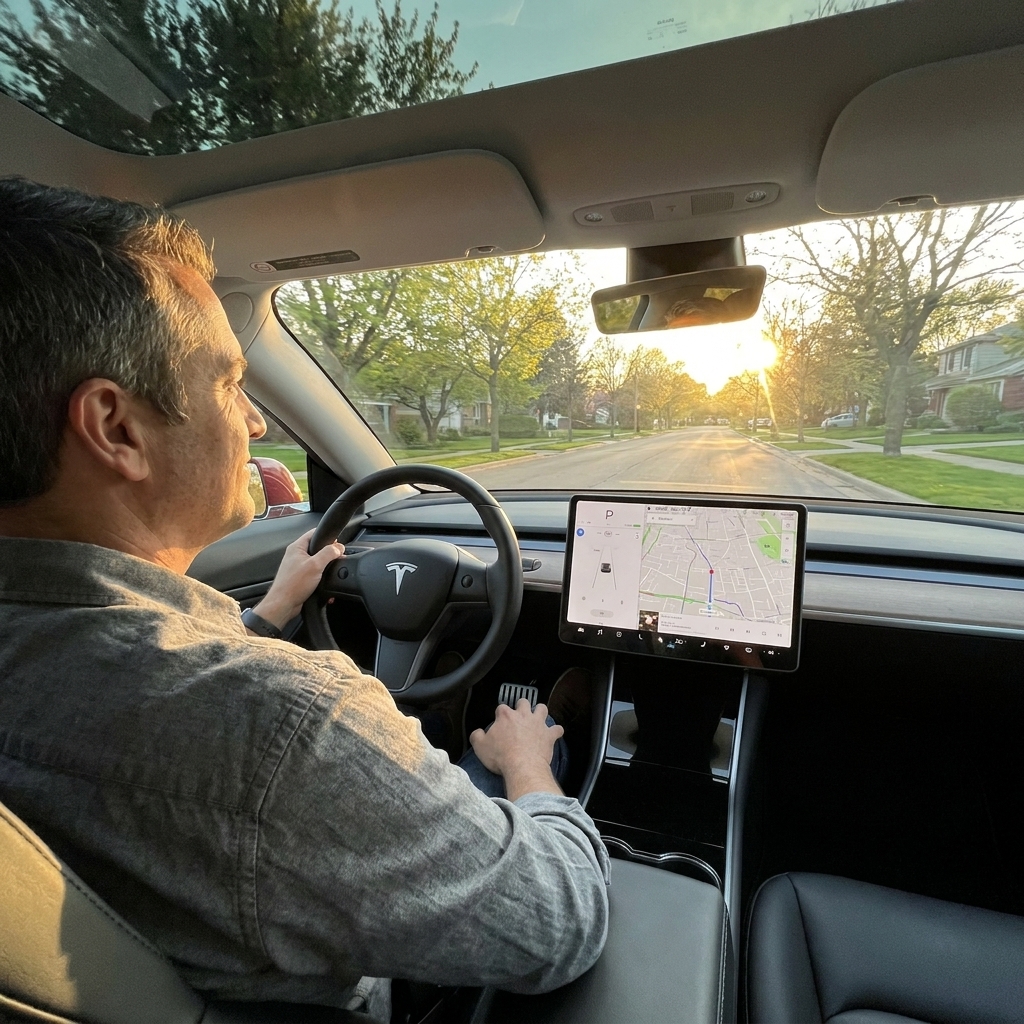
The basic idea: the motor becomes a generator
In a gas car, your engine makes power and your brakes waste power. In an EV, the traction motor can work both ways:
- Motoring mode: Battery sends electricity to the motor, the motor turns the wheels.
- Generating mode: Wheels turn the motor, the motor makes electricity and sends it back to the battery.
That generating mode is regenerative braking. When you lift off the accelerator or press the brake pedal, the car can command the motor to produce negative torque, which resists wheel rotation. You feel that resistance as deceleration. The energy that would have become heat at the brake rotors is instead converted into electrical energy.
What’s happening under the hood
1) The wheels drive the motor
In an EV (and most hybrids), the drive wheels are connected to the motor through a reduction gearset. When the car is moving and you request slowing, the wheels “back-drive” the motor.
2) Electromagnetism does the work
Inside the motor are coils and magnets. When the rotor spins through magnetic fields, it induces current in the windings. Power electronics control this process to keep it smooth and to regulate how much braking force you get.
3) The inverter and battery manage the flow
The electricity coming out of the motor is not automatically in the exact form the battery wants. The inverter and the battery management system condition and limit current so charging is safe. If the battery is cold, hot, full, or otherwise limited, the car will reduce regen and rely more on friction brakes.
Hybrids vs EVs
Hybrids
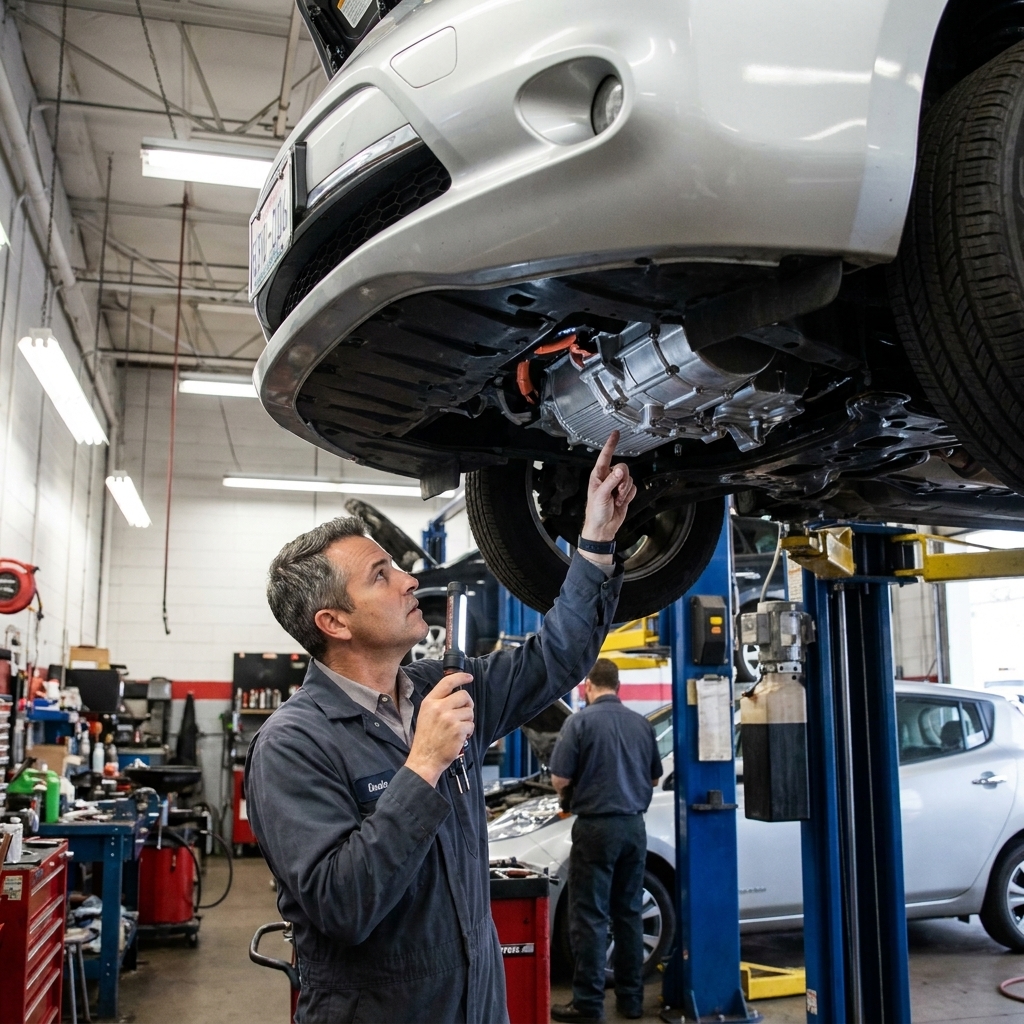
Hybrids recover energy too, but their batteries are usually much smaller than an EV’s. That means they can fill up quickly on a long downhill, and their maximum regen power is typically lower. Many hybrids also juggle the engine, motor-generator, and transmission behavior to keep everything in a safe operating range.
Plug-in hybrids (PHEVs)
PHEVs sit in the middle. With larger batteries than traditional hybrids, they often have stronger regen. They still have engine-off and engine-on scenarios that change how regen feels, especially at highway speeds or when the engine is warming up.
Full EVs
EVs can usually accept more regenerative power for longer stretches, but they still have limits. Battery temperature and state of charge matter a lot. If you start a trip at 100% and roll down a mountain, regen will be restricted because there is nowhere for that energy to go.
Why regen feels different
Traditional brakes are simple: press pedal, squeeze pads, make heat. Regen is software-controlled and depends on conditions, so the feel can vary.
One-pedal driving
Many EVs offer aggressive lift-off regen that slows the car significantly when you release the accelerator. It can feel like engine braking, just stronger and smoother. Some cars will even bring you to a complete stop with no brake pedal input, depending on settings.
Blended braking
In most hybrids and many EVs, the brake pedal commands a blend of:
- Regenerative braking first (motor slowing and charging)
- Friction braking as needed (pads and rotors)
Good systems make this transition almost invisible. Others can feel a little grabby at low speeds where regen effectiveness drops off and friction brakes take over.
When regen works best
Best case scenarios
- Stop-and-go traffic: Lots of deceleration events means lots of chances to recover energy.
- Moderate-speed slowing: Smooth, longer decels allow the system to capture more without needing the friction brakes.
- Long, steady descents: Great for regen, as long as the battery can accept the charge.
Common reasons regen is limited
- Battery is near full: Limited room to store energy means reduced regen.
- Battery is cold: Cold lithium-ion packs cannot accept high charge rates safely, so regen is dialed back until the pack warms.
- Battery is too hot: High temps can also trigger limits to protect the pack.
- Low speeds: As the motor slows, its ability to generate power drops. Many cars transition to friction brakes under roughly parking-lot speeds.
- Low traction: On ice or loose surfaces, strong regen can destabilize the car. Stability control may reduce regen to keep the wheels from slipping.
Does regen replace brakes?
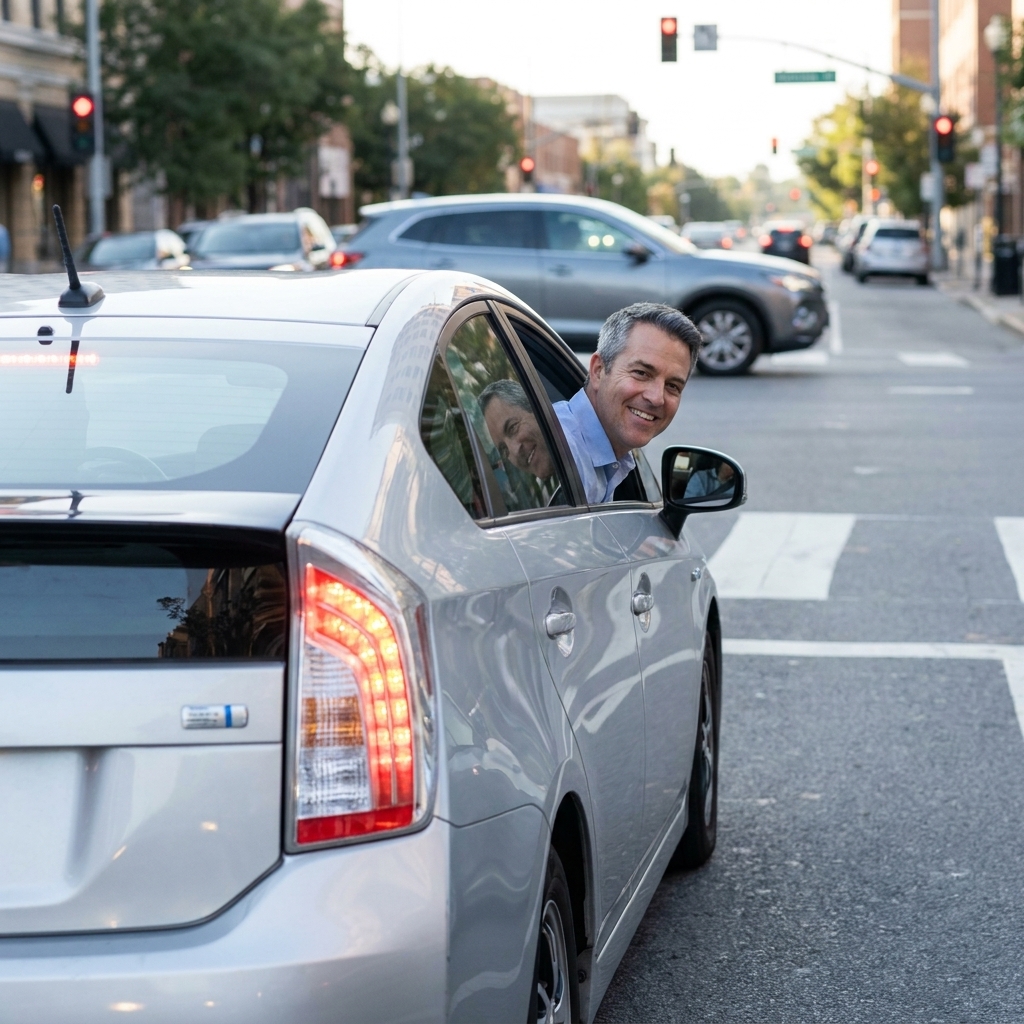
It can reduce wear dramatically, but it does not eliminate friction brakes. You still need them for:
- Hard stops: Emergency braking demands more decel than regen alone can usually provide.
- Low-speed final stop: Many systems hand off to friction brakes at the end.
- Battery-limited situations: Full or cold pack means less regen.
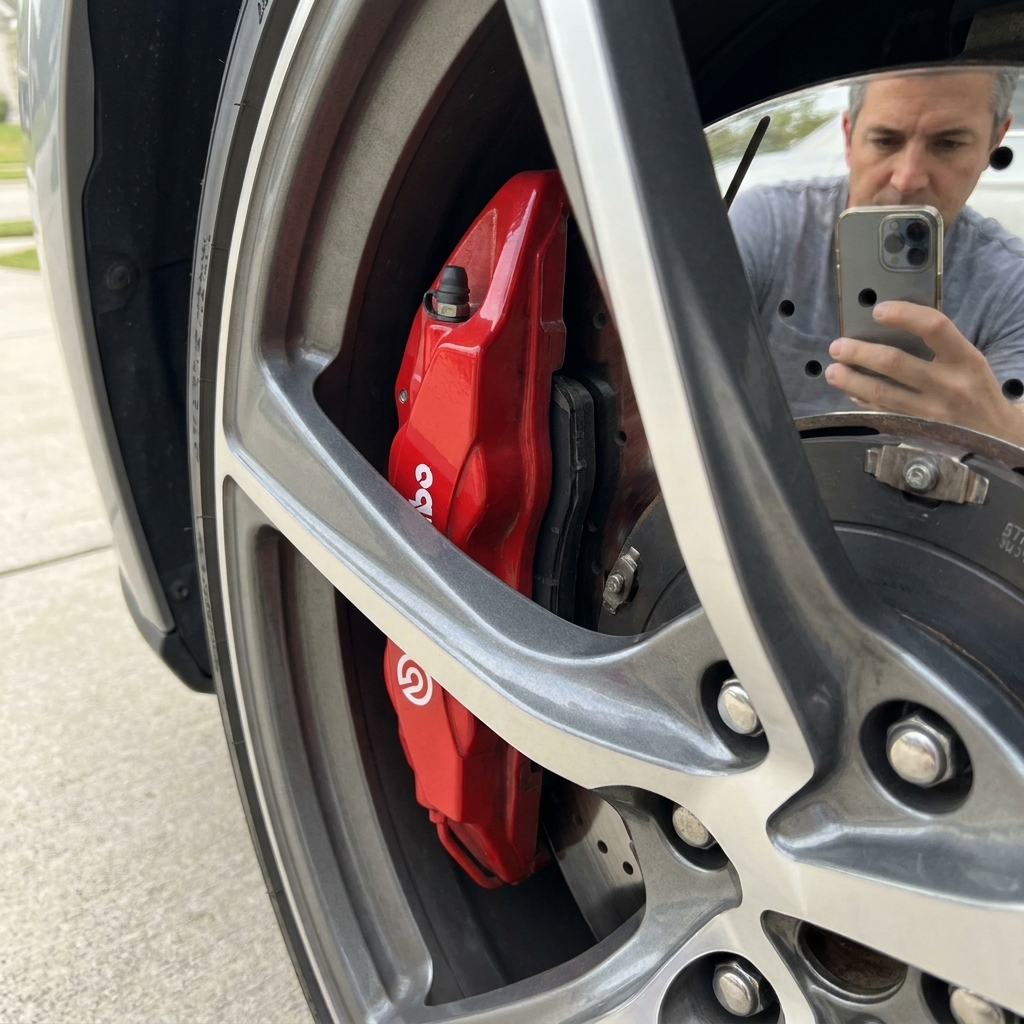
Here is the upside: in day-to-day driving, regen often does most of the slowing. I have seen EVs and hybrids go a long time on original pads. The tradeoff is that because the friction brakes are used less, they can be more prone to rusty rotors or sticky slide pins in salty climates if they never get exercised.
How to get more regen
Drive like you have an egg under the pedal
The biggest regen gains come from anticipation. Look far ahead, lift early, and let regen do a long, gentle slowdown. If you wait until the last second and stomp the brake, the car will have to use friction brakes to meet the decel request, and that energy is gone as heat.
Use the right regen setting
Many EVs offer regen levels or a “one-pedal” mode. Higher regen can be great in town. On the highway, lighter regen sometimes improves smoothness and can reduce unnecessary speed scrubbing.
Avoid 100% before a long downhill
If your route begins with a descent, charging to 90 to 95% instead of 100% can leave room for regen. That is especially useful in mountainous areas.
Warm the battery when you can
In cold weather, regen is often reduced until the pack warms up. If your car has battery preconditioning, using it before departure (or on the way to a fast charger) can improve regen and efficiency.
Let the car do the work
Stability control and blended braking systems are smart, but they work best when you are smooth with inputs. Sudden lift-offs on slick roads can trigger traction interventions and reduce regen.
Common myths
Myth: Regen charges the battery back to full quickly
Reality: regen recovers a portion of energy that would otherwise be wasted. It helps, but it is not a substitute for plugging in or fueling up. Big acceleration events still cost real energy.
Myth: Regen is always more efficient than coasting
Reality: it depends. Regen has conversion losses. If you can safely coast and keep speed without needing to slow, that can be more efficient than converting motion to electricity and back again. The practical takeaway: do not “chase regen.” Use it when you need to reduce speed anyway.
Myth: One-pedal driving is automatically the most efficient
Reality: it is often very efficient in stop-and-go driving because it encourages earlier lift and fewer hard brake events. But efficiency still depends on traffic flow, terrain, and how smoothly you drive.
What owners notice
- Regen meter or power gauge moving into a “charge” zone when slowing.
- Different pedal feel in the first few minutes on a cold day.
- Less brake dust on wheels compared to a similar gas car.
- Occasional brake “scrub” routines where the car applies friction brakes lightly to keep them clean and ready.
If your car suddenly seems to have much less regen than usual, check the obvious stuff first: is the battery at a high state of charge, and is it very cold outside? Those two explain a lot of “where did my regen go?” moments.
FAQ
Do brake lights come on during regenerative braking?
Usually, yes, once deceleration passes a threshold. Exactly when they illuminate varies by manufacturer and regen setting. If you use strong one-pedal regen, the car is typically smart enough to warn drivers behind you when you are slowing meaningfully.
Can regen make the car skid on ice?
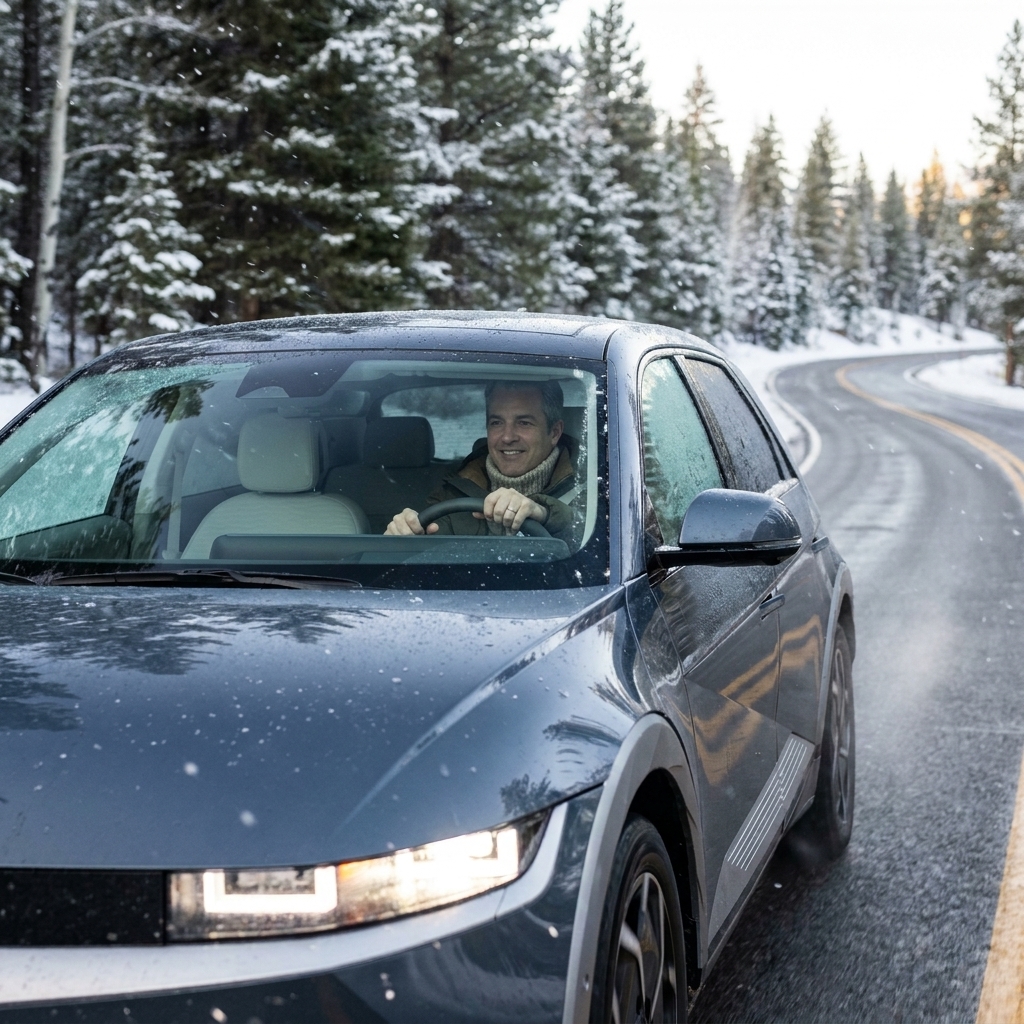
If regen is aggressive and traction is poor, it can contribute to wheel slip, but stability and traction control systems are designed to reduce regen quickly when slip is detected. In slick conditions, consider using a lower regen setting if your car offers it and prioritize smooth inputs.
Is regenerative braking bad for the battery?
Normal regen is accounted for in battery design. The car limits regen power based on temperature and state of charge to protect the pack. You do not need to “save” the battery from regen. It is part of the system’s job.
Why does regen fade at very low speeds?
Because generating meaningful electrical power requires rotational speed. As the motor slows down, it produces less power, and the car hands off to friction brakes to finish the stop.
The takeaway
Regenerative braking is one of the biggest reasons hybrids and EVs can feel so efficient in real-world driving. It turns a ton of everyday slowing into usable electricity, reduces brake wear, and can make stop-and-go traffic a little less wasteful.
If you want to get the most from it, drive with a little more patience: look ahead, lift early, and let the car slow down smoothly. You will save energy, you will likely save brakes, and you will arrive with a few extra miles of range in your pocket.