Walk through a secondhand car like a pro. Use this practical checklist to catch hidden damage, mechanical problems, and deal-killing paperwork issues.
I have watched plenty of smart people get talked into the wrong car because the test drive turned into a joyride. The point is not to see if it is “fun for five minutes.” The point is to figure out if it is mechanically healthy and comfortable for your real life on Monday morning.
Below is the same approach I use when I am evaluating a customer’s used car complaint or getting a feel for a new model. You do not need special tools. You just need a plan, quiet attention, and the confidence to slow the process down.
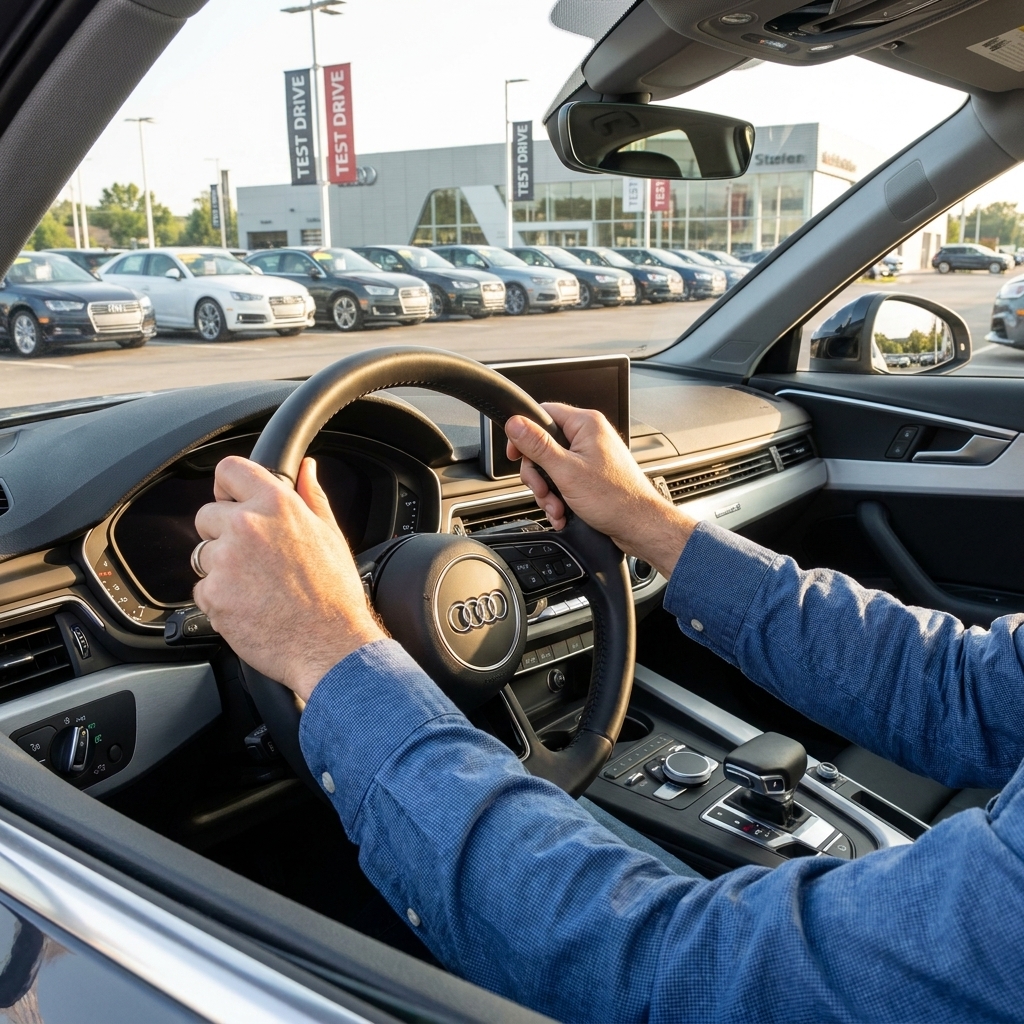
Before you roll: set up the drive
The first two minutes matter because discomfort and visibility problems show up immediately, and because salespeople love to fill silence with distractions.
- Ask for a cold start. If the engine is already warm, you miss valuable clues like timing chain rattle, lifter tick, or a weak battery struggling to crank.
- Turn the radio off. You can test the sound system later. First, listen to the car.
- Pick a route with variety. You want neighborhood streets, a rougher patch of pavement, a few turns, and a short highway stretch if possible.
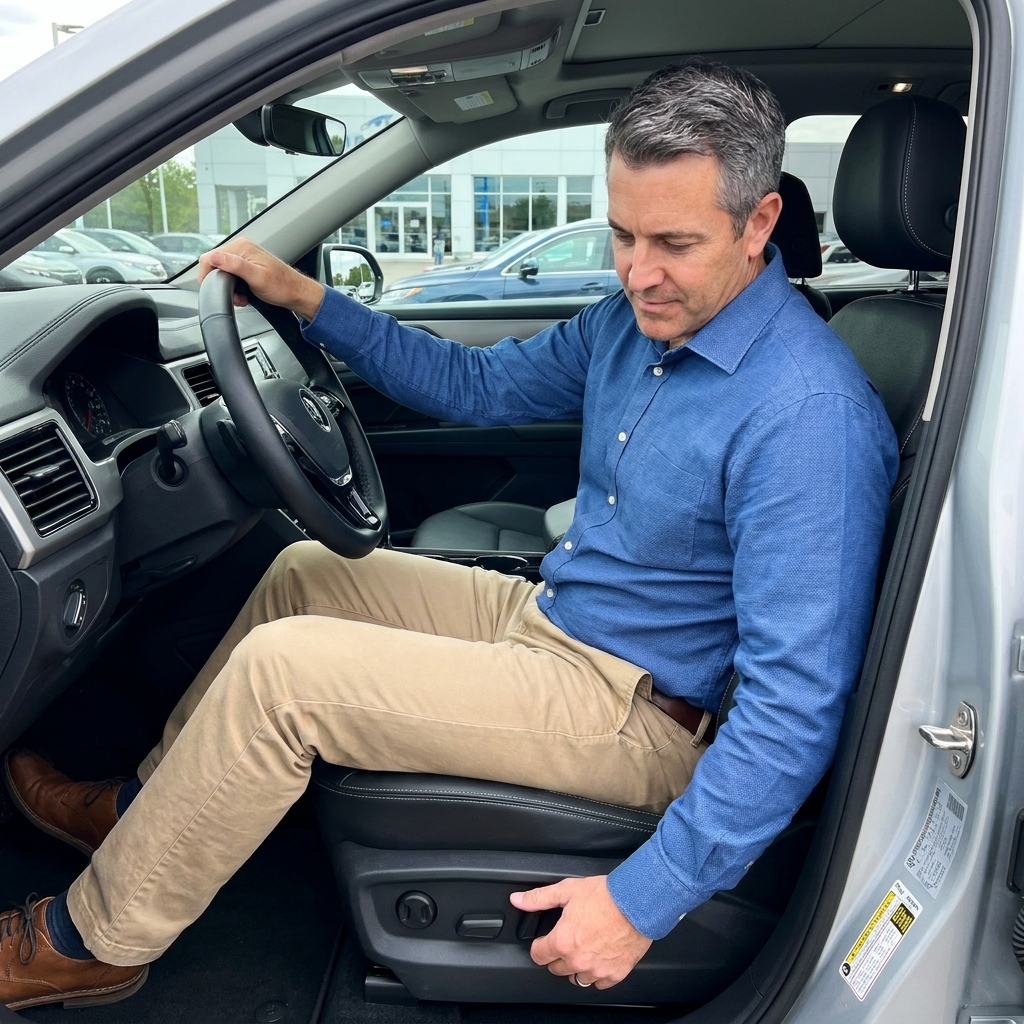
- Set your seating position correctly. Hips back in the seat, slight bend in your knees, wrists should reach the top of the wheel without you leaning forward. If you cannot get comfortable now, it will not magically improve later.
1) Cold start and idle
Start the car yourself and pay attention to the first 10 seconds. A healthy vehicle should fire quickly and settle into a stable idle.
- Listen for: loud ticking that does not fade, sharp knocking, grinding, or an exhaust leak puffing sound.
- Feel for: excessive vibration through the seat and steering wheel once it settles.
- Watch for: warning lights that stay on, an erratic tachometer, or smoke from the tailpipe.
Pro move: Let it idle for a minute with the HVAC off. Then switch the AC on. A mild dip in RPM is normal. A pronounced stumble, shaking, or near-stall is not, and can hint at neglected maintenance, an engine management issue, or an AC system that loads the engine harder than it should.
2) Visibility and blind spots
Great mechanical condition does not matter if you hate merging or cannot see out of the thing. This is where you decide if the car fits your body and your daily routes.
- Check the A-pillars for blind spots, especially when making left turns.
- Make sure you can see the front corners of the hood or at least feel confident placing the car.
- Verify mirrors adjust far enough outboard to reduce blind spots.
- If it has a 360 camera, check for clarity and lag, not just that it exists.

3) Steering and tracking
On a flat road with light traffic, loosen your grip slightly and see what the car wants to do. Keep control of the wheel, do not fully release it.
- Tracks straight: good sign.
- Pulls left or right: could be alignment, tire pressure mismatch, tire conicity, or brake drag.
- Steering wheel off-center: often alignment, but it can also point to uneven tire wear, a tire issue, or prior suspension or curb impact damage.
In a gentle curve, the wheel should feel consistent and predictable. Overly numb steering is not always “bad,” but it can be fatiguing if the car constantly needs correction in wind or on crowned roads.
4) Brakes and stopping feel
You are not trying to do stunt stops. You are checking for confidence and consistency.
- Initial bite: Does the car slow immediately when you press, or does it feel vague?
- Pedal feel: A firm, progressive pedal is ideal. A spongy pedal can mean air in the system or old fluid.
- Stops straight: The car should not dart or wobble under moderate braking.
- No pulsing: A pulsing pedal during normal braking can indicate rotor or disc thickness variation, uneven pad deposits, or ABS activation on rough pavement.
EV and hybrid note: Regenerative braking should feel smooth. If it suddenly grabs or releases at low speed, it could be calibration, a handoff quirk between regen and friction brakes, or simply a feel you may not enjoy living with.
5) Transmission behavior
This is where a lot of expensive surprises hide, especially in used cars.
Automatic
- From a stop, it should engage without a long delay or a hard thunk.
- Upshifts should be smooth and logical. A flare in RPM between shifts can indicate slipping.
- At steady speed, light throttle changes should not cause constant hunting.
CVT
- Expect a different feel, but it should still be smooth.
- Watch for shuddering on takeoff or a rubber-band surge that feels inconsistent or jerky.
Manual
- Clutch take-up should be progressive, not an on/off switch.
- Shifts should be clean without grinding. Pay attention to 2nd and 3rd gear synchro feel.
Pro move: In a safe area, do a gentle roll-on from about 25 to 40 mph. If the engine revs rise without a matching increase in speed, something is slipping.
6) Power delivery and throttle
You are not looking for “fast.” You are looking for smooth, predictable response.
- Light throttle in town: no hesitation, bucking, or surging.
- Moderate acceleration: power should build cleanly without misfires.
- Turbo engines: some whistle can be normal. What you do not want is an abnormal hiss, a siren-like whine, or a new whistling noise paired with low power, which can suggest a boost leak or other issue.
If the car feels weak, do not assume it is “just how they drive.” It could be as simple as neglected spark plugs, a dirty intake, or a clogged air filter, but it still tells you something about the previous owner’s maintenance habits.
7) Ride and suspension
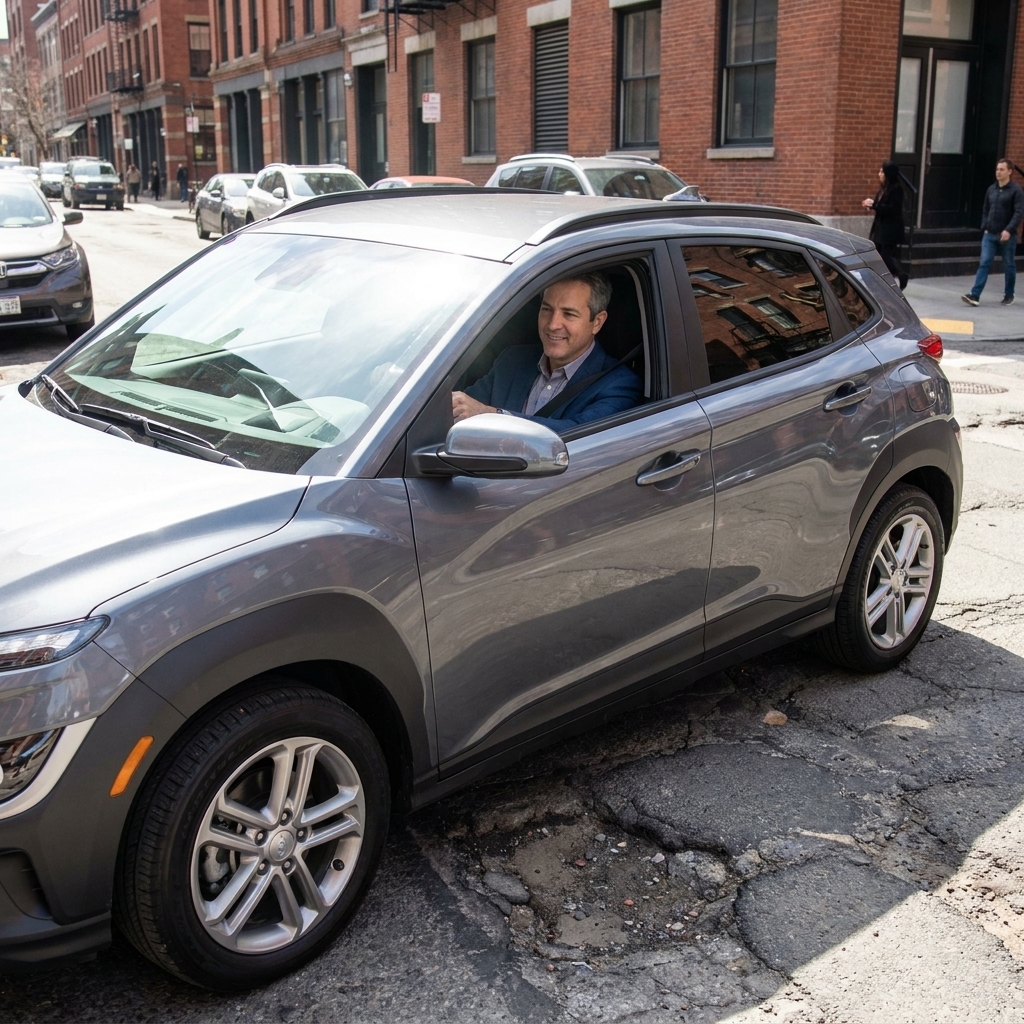
Find imperfect pavement. You want to know if the car is composed or if it feels like a shopping cart.
- Over small bumps: Listen for rattles in the dash, doors, or rear hatch area.
- Over a larger dip: The car should rebound once, not bounce like a pogo stick.
- Over turning bumps: Clunks can indicate worn sway bar links, struts, or control arm bushings.
8) Comfort, noise, and HVAC
This is where “looks great online” often falls apart. Comfort is personal, but there are objective things to check.
- Seats: Support under your thighs, comfortable lumbar shape, and no pressure points after 15 minutes.
- Noise: At 60 to 70 mph, listen for tire roar, wind noise around mirrors, and a booming cabin resonance.
- HVAC: Make sure the fan has usable speeds, vents aim where you need them, and the system responds quickly to temp changes.
If you have kids: Bring the car seat. Check the door opening, rear legroom, and whether you can tighten the LATCH anchors without swearing.
9) Tech and safety
Modern cars can be fantastic, but poorly executed tech can make you dread your commute.
- Infotainment: Pair your phone, make a call, and try navigation. Lag and confusing menus become daily annoyances.
- Driver assistance: If possible, test adaptive cruise and lane centering briefly. It should feel calm, not ping-ponging between lane lines.
- Controls: Can you adjust volume, temperature, and defrost without taking your eyes off the road?
Quick check: Put it in reverse and verify the camera quality and backup sensor behavior. If the car screams at ghosts or misses obvious objects, trust your instincts.
10) Parking lot checks
Finish where problems love to show up: low speed, full lock turns, and stop-and-go maneuvering.
- Full lock turns: Listen for repeated rhythmic clicking, which can suggest CV joint wear on some used cars. Also note that some AWD systems can bind or feel tight on full lock on dry pavement, so focus on consistent clicking or popping, not just a slight scrubby sensation.
- Reverse engagement: It should not slam into gear or hesitate.
- Braking to a smooth stop: Some cars feel fine at speed but grab right at the end.
- Smells: After the drive, step out and sniff near the wheels and engine bay. Burning oil, hot brakes, or a sweet coolant smell are all worth investigating.

Quick tire and paperwork checks
A great drive is not a clean bill of health. Take two extra minutes before you get emotionally attached.
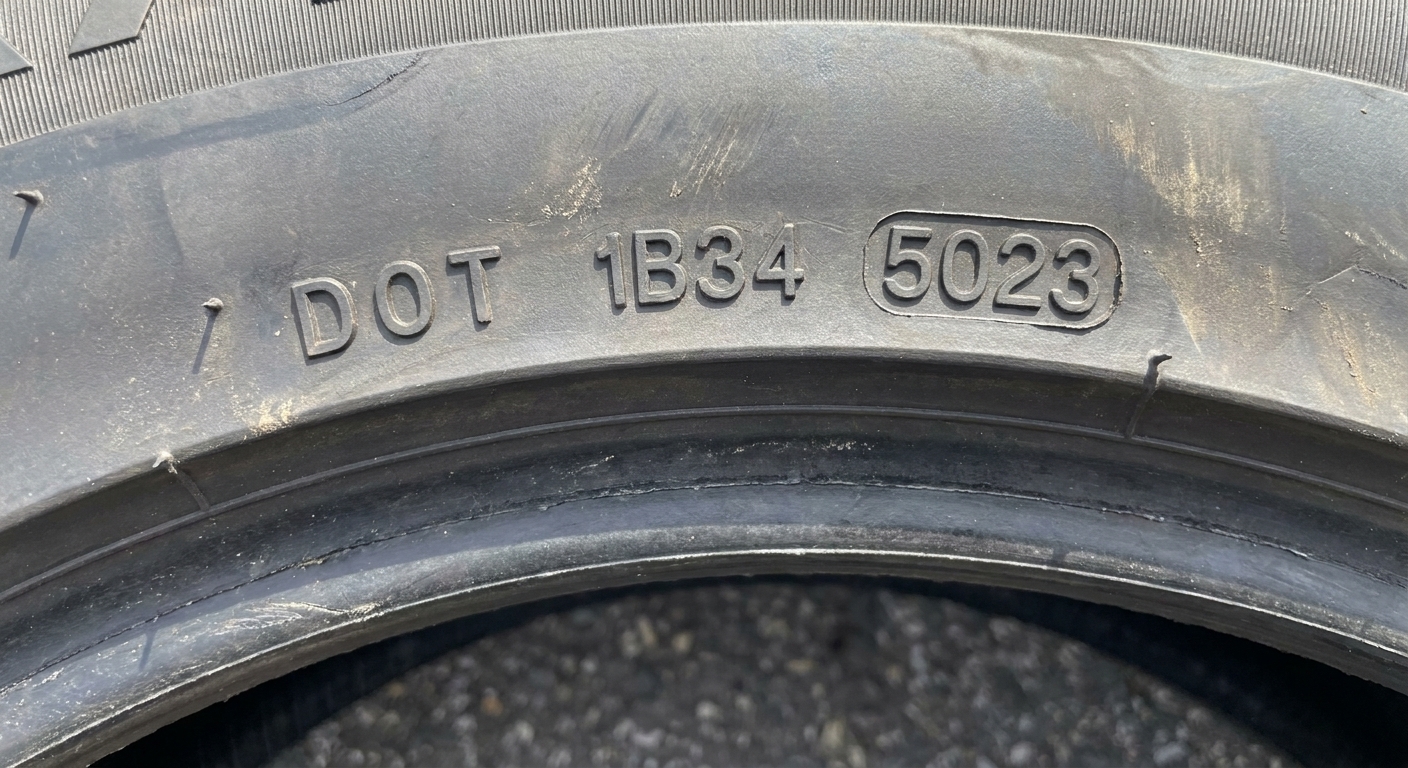
- Tires: Look for uneven wear (inside edge wear is a common alignment clue), sidewall damage, and mismatched brands or sizes. On AWD vehicles in particular, mismatched tires can cause drivetrain stress. If you can, check the DOT date code on the sidewall. Old tires can look fine and still ride poorly.
- Records and basics: Ask about service history, confirm open recalls, and make sure the VIN on the dash and door sticker match the paperwork. If the story feels fuzzy, slow down.
Post-drive walkaround
When you pull back in, do not hand the keys over immediately.
- Look underneath: Check for fresh drips or wetness under the engine and transmission area.
- Check brake heat: One wheel that smells much hotter than the others can hint at a sticking caliper or dragging brake.
- Cooling fan check: After a warm drive, listen for the radiator fan cycling on and off, especially if you have been idling with the AC running.
Red flags to pause on
Any one of these does not always mean “walk away,” but it does mean “slow down and verify.” On a used car, I treat these as negotiation points at minimum.
- Check engine light, flashing warning lights, or messages like “transmission service required”
- Hard shifts, slipping, or delayed engagement
- Pulsing brakes or a steering wheel shake while braking
- Overheating, temp gauge rising unexpectedly, or coolant smell
- Persistent knocking, loud ticking, or smoke
- Wet carpets or a musty odor (possible leaks or flood history)
A simple 20 to 30 minute plan
- Parked: seating, mirrors, controls, visibility.
- Cold start: idle quality, warning lights.
- Neighborhood: low-speed brakes, steering at low speed, bumps.
- Main road: moderate acceleration, shift behavior, cabin noise.
- Highway: tracking, wind noise, lane centering if equipped.
- Parking lot: reverse, full lock turns, final smell check.
- Post-drive: quick walkaround for leaks and hot brake smell.
If the seller tries to rush you, that is information too.
FAQ
Should I test drive with the salesperson talking the whole time?
I prefer a quiet drive, at least for the first half. You are listening for noises and feeling for vibration. Politely ask for a few minutes of silence so you can focus.
How fast should I drive on a test drive?
Normal speeds are enough. You need a brief highway stretch to evaluate wind noise, tracking, and power delivery, but you do not need to drive aggressively to find real issues.
What if I notice something minor, like a rattle?
Note when it happens and where it sounds like it is coming from. A minor rattle can be harmless, but it can also hint at prior body work, loose trim, or suspension wear. Use it as a reason to inspect further or adjust the price.
Is a pre-purchase inspection still worth it?
Yes, especially on used cars. A good test drive cannot confirm things like hidden leaks, brake pad life, tire age, or scan tool codes that are pending but not triggering a light yet.