A step-by-step, driveway-friendly guide to visually inspecting brake pads and rotors for wear, damage, and warning signs, with clear next steps if you find p...
If you drive where mornings start below freezing, winter is not just “harder on cars.” It changes the rules. Batteries lose punch, tire grip drops, fluids thicken, and small problems turn into no-starts or white-knuckle commutes fast. The good news is you can prevent most winter breakdowns with a handful of checks that take an afternoon.
I am going to walk you through the same winterizing routine I used in the shop for customers who wanted their car to start reliably and stop confidently when the roads got ugly.
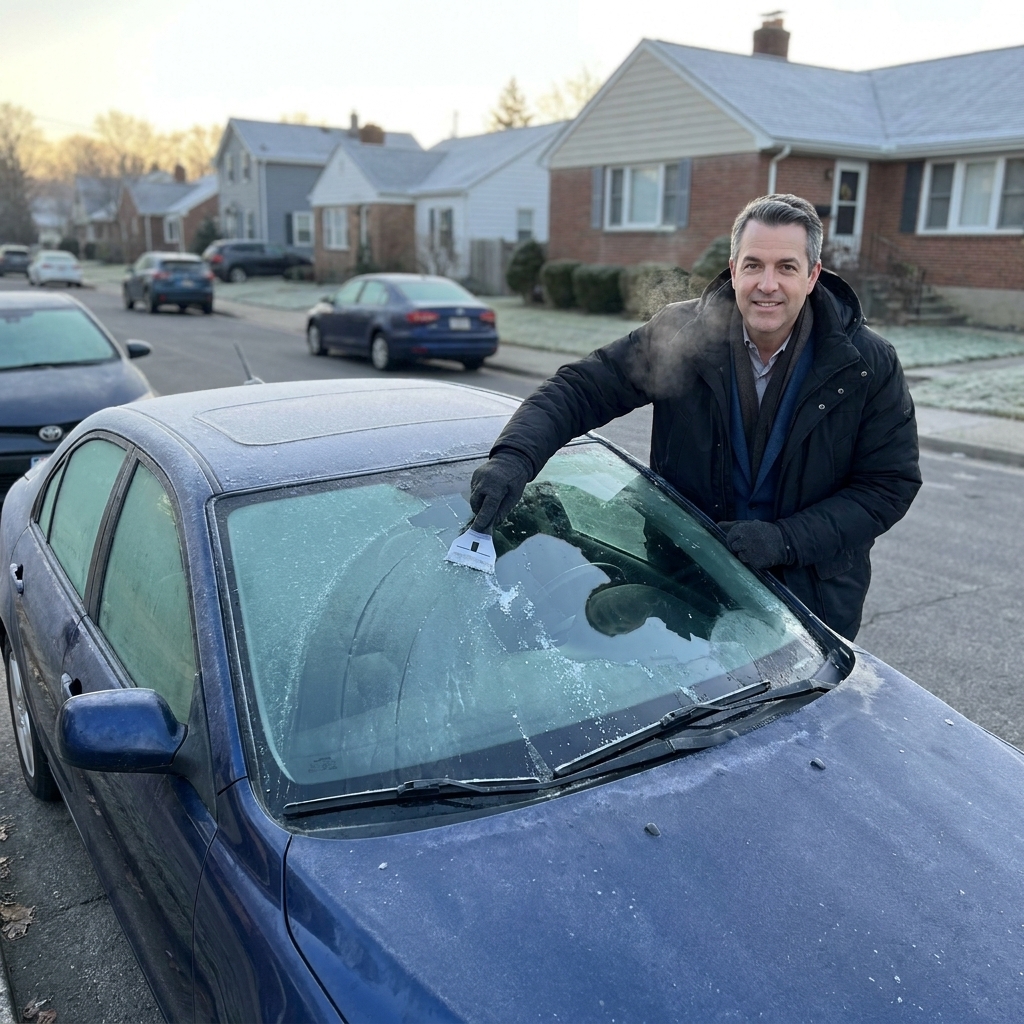
Winterizing checklist at a glance
If you only have 30 minutes, prioritize battery, tires, and washer fluid. If you have an hour or two, do it all.
- Battery and charging system: test battery, clean terminals, check alternator output
- Tires: measure tread depth, set pressures cold, consider winter tires, inspect for damage
- Fluids: correct coolant mix, winter washer fluid, oil considerations, brake fluid check
- Wipers and visibility: blades if needed, defroster performance, cabin air filter
- Heat: verify heater output and thermostat behavior
- Lights: aim and brightness, clean lenses
- Brakes and traction aids: pad life, ABS warnings, parking brake function
- Rust and salt: wash underbody, protect paint chips
- Frozen doors and locks: treat seals, pack a de-icer
- Emergency kit: basics for warmth, traction, and communication
Battery and charging: a common winter failure
Cold weather slows the chemical reaction inside your battery, so it makes less power right when your engine needs more to crank thick, cold oil. That is why a battery that felt “fine” in October can tap out in January.
1) Get the battery tested, not guessed
The most useful test is a proper load test or conductance test that reports cold cranking amps. Many auto parts stores will do this free, and most repair shops can do it in minutes.
- If your battery is around 4 to 6 years old, start treating it as a suspect. Lifespan varies a lot by climate, driving habits, and battery quality.
- If cranking is noticeably slower on cold mornings, do not wait for the first brutal cold snap to make the decision for you.
2) Clean and tighten the terminals
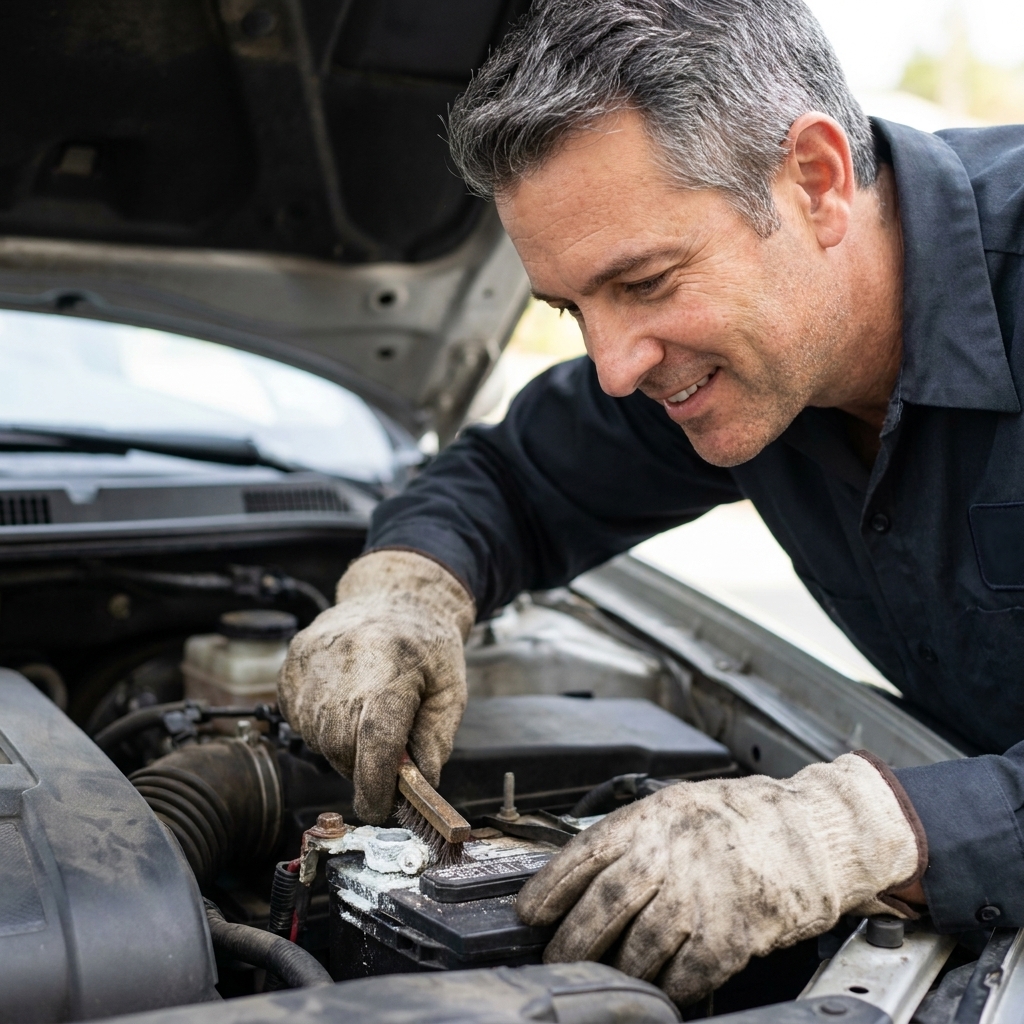
Corrosion adds resistance, and resistance steals starter power. Make sure the terminals are tight and clean.
- Look for white or blue-green fuzz at the battery posts.
- Clean with a battery terminal brush and protect with a thin coat of battery terminal protectant.
- Check that the cables are not swollen, cracked, or loose.
3) Confirm the alternator is charging correctly
In cold months you run more electrical loads: headlights, heated seats, rear defrost, blower motor, wipers. A weak charging system can leave you with a low battery even if the battery itself is okay.
- Watch for a battery light on the dash or dimming lights at idle.
- If you have a basic multimeter, most cars will show roughly 13.5 to 14.7 volts at the battery with the engine running. Numbers vary by vehicle, temperature, and smart charging systems, so use this as a quick sanity check, not a final diagnosis.
- If you mostly drive short trips, consider a longer drive occasionally to fully recharge.
Tires: traction and pressure matter more than horsepower
Winter driving is mostly a tire conversation. All-wheel drive helps you go, but your tires help you stop and turn, and that is where winter gets real.
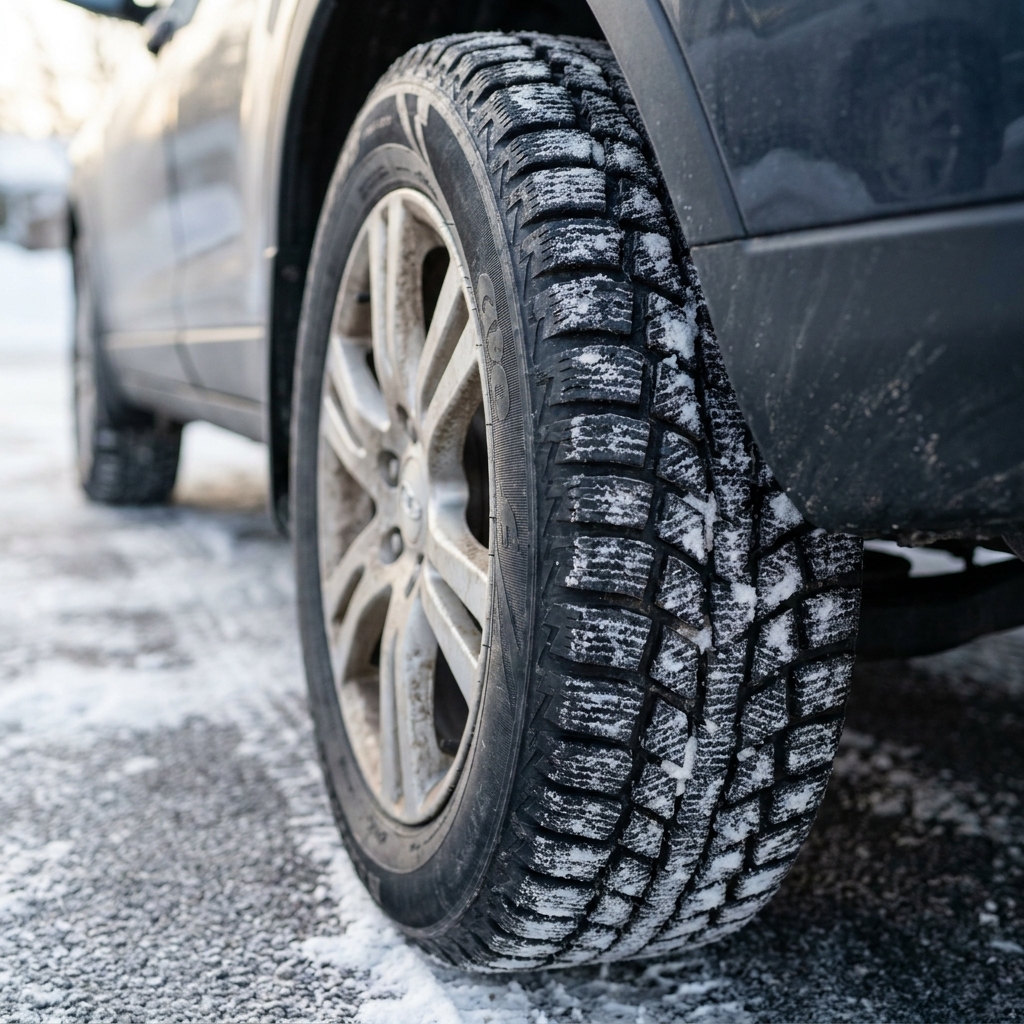
1) Check tread depth the right way
In many places, the legal minimum is around 2/32 inch, but for winter grip that is asking for trouble. For slush and snow, you want more bite.
- All-season tires: many shops recommend thinking replacement around 4/32 inch if you see regular snow.
- Winter tires: for best snow performance, many drivers replace around 6/32 inch, though some designs can still be usable below that. Treat it as a performance guideline, not a universal rule.
- If you do not have a gauge, a tire shop can measure quickly, or you can buy a simple tread depth tool for a few dollars.
2) Set tire pressures when the tires are cold
Pressure drops as temperatures drop. A good rule of thumb is about 1 psi per 10°F temperature decrease, though exact changes vary.
- Set pressure to the door jamb sticker, not the number on the tire sidewall.
- Check at least monthly in cold weather, and always before a road trip.
- Do not ignore the spare. A flat spare is a bad surprise at the worst time.
3) Pick the right tire type
If you deal with frequent snow, ice, or hilly commutes, winter tires are the single biggest upgrade you can make.
- Winter tires use rubber compounds that stay flexible in cold weather and have tread designs that bite into snow.
- All-weather tires are different from all-seasons. Many carry the 3PMSF mountain snowflake rating and can be a good one-set solution in places with moderate winters.
- If you see sustained temps below about 45°F, winter-focused compounds start to make sense even before heavy snow hits.
Fluids: use the right mix for freezing temps
Fluids are your car’s lifeblood. In cold weather, the wrong fluid or the wrong mix can cost you a heater, an engine, or your visibility.
1) Coolant and antifreeze: protect the engine and your heater
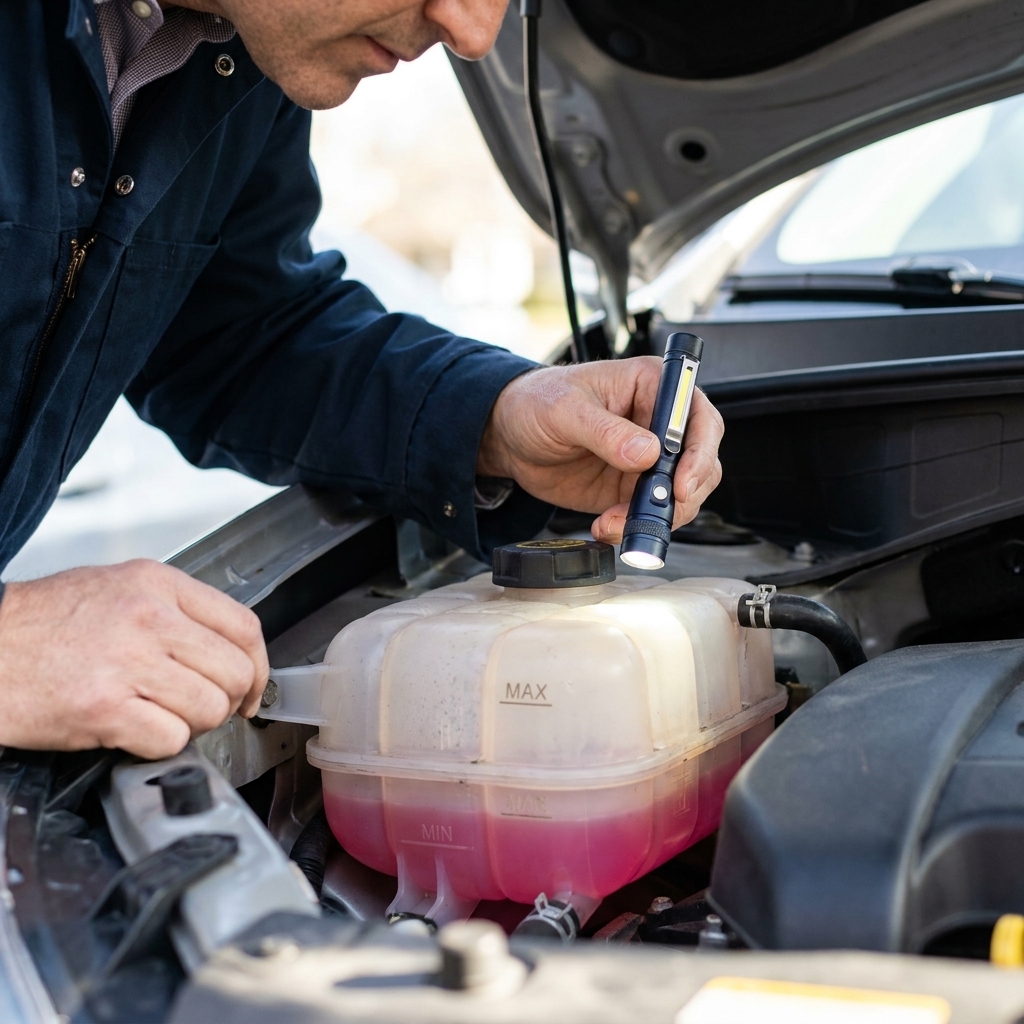
Coolant does two jobs: prevents freezing and prevents overheating. A weak mixture can freeze in the radiator or engine block, and that can crack expensive parts.
- Most vehicles run best with roughly a 50/50 mix of coolant and water, but always verify your owner’s manual or under-hood label.
- If you do not know what is in there, have the freeze point tested with a coolant tester.
- Check the coolant level only when the engine is cold, and never open a hot radiator cap.
- Avoid mixing coolant types unless you are sure they are compatible. If you are not sure what is in the system, a shop can identify it and service it correctly.
Red flag: If your heat is weak at idle, you smell sweet coolant, or you keep needing to top off, have it diagnosed. Cold weather will not forgive a small leak.
2) Windshield washer fluid: do not run summer mix
Summer washer fluid can freeze in the reservoir, lines, or nozzles.
- Use washer fluid rated for sub-freezing temps.
- Top it off before storms. Road salt film eats visibility fast.
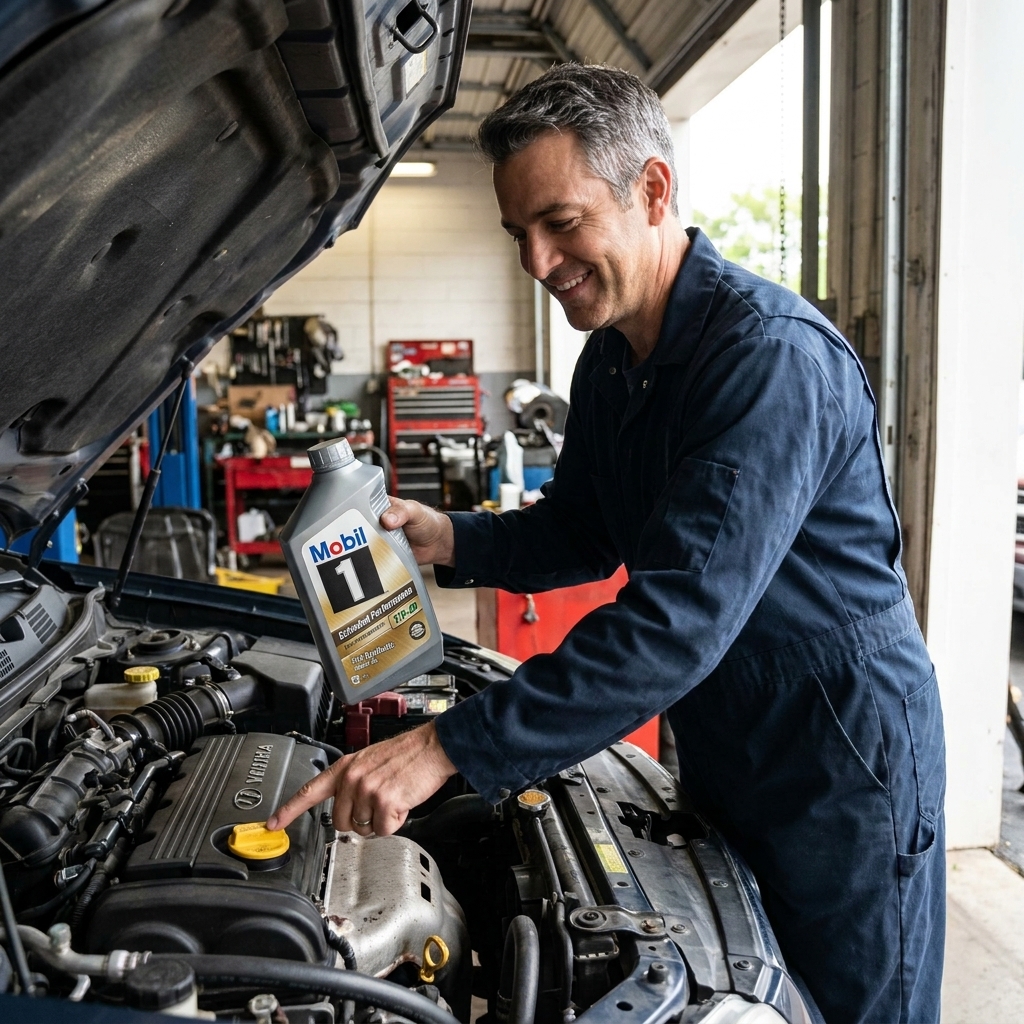
3) Engine oil: follow the viscosity your car calls for
Modern engines are picky for good reasons. The oil viscosity in your owner’s manual is chosen to flow quickly on cold starts while still protecting when hot.
- If your manual recommends 0W-20 or 5W-30, stick with it.
- If you are due for an oil change, do it before deep winter. Dirty oil makes cold starts harder.
4) Brake fluid and power steering: quick sanity check
Brake fluid absorbs moisture over time, and moisture lowers its boiling point and can corrode components. While boiling is more of a summer mountain concern, late fall is a great time to make sure the fluid is not neglected.
- If brake fluid is very dark, consider a brake fluid exchange per manufacturer interval.
- For hydraulic power steering systems, check the level and look for leaks. Many newer cars use electric power steering and will not have a power steering reservoir.
Wipers, defrosters, and visibility
In winter, being able to see is a safety system. Treat it like one.
1) Replace worn wipers before they fail
- If your wipers chatter, skip, or leave streaks, replace them.
- Consider winter wiper blades if you deal with heavy wet snow and icing.
2) Make sure the defroster is doing its job
Your front defroster depends on hot coolant and good airflow.
- Verify the blower motor works on all speeds.
- If airflow is weak, replace the cabin air filter. A clogged filter can make defrosting painfully slow.
- Confirm the rear defroster grid works, and that mirrors with defrost function heat up.
3) Clean the inside of your windshield
A hazy inside film makes night glare worse and fogging more stubborn. A basic glass cleaner and a clean microfiber towel can make a surprising difference.
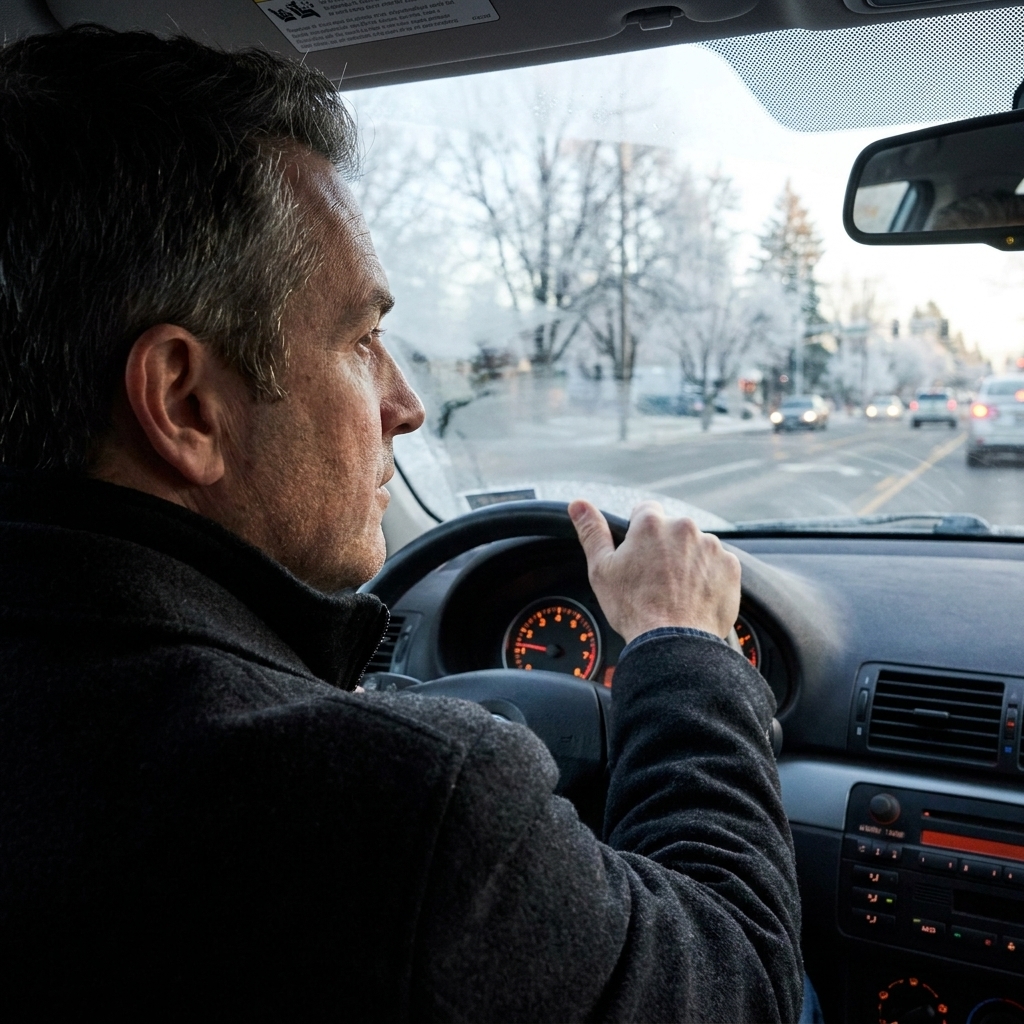
Heating system: comfort and safety
No heat is miserable, but it is also dangerous if you cannot keep windows clear.
- Warm the car and confirm you get steady heat at idle.
- Watch the temperature gauge. If it stays cold too long, the thermostat may be stuck open. If it runs hot, stop driving and investigate.
- Listen for gurgling behind the dash, which can hint at low coolant or air in the system.
Brakes and stability control
Snowy roads are not the time to discover your brakes are thin or your ABS light has been on for months.
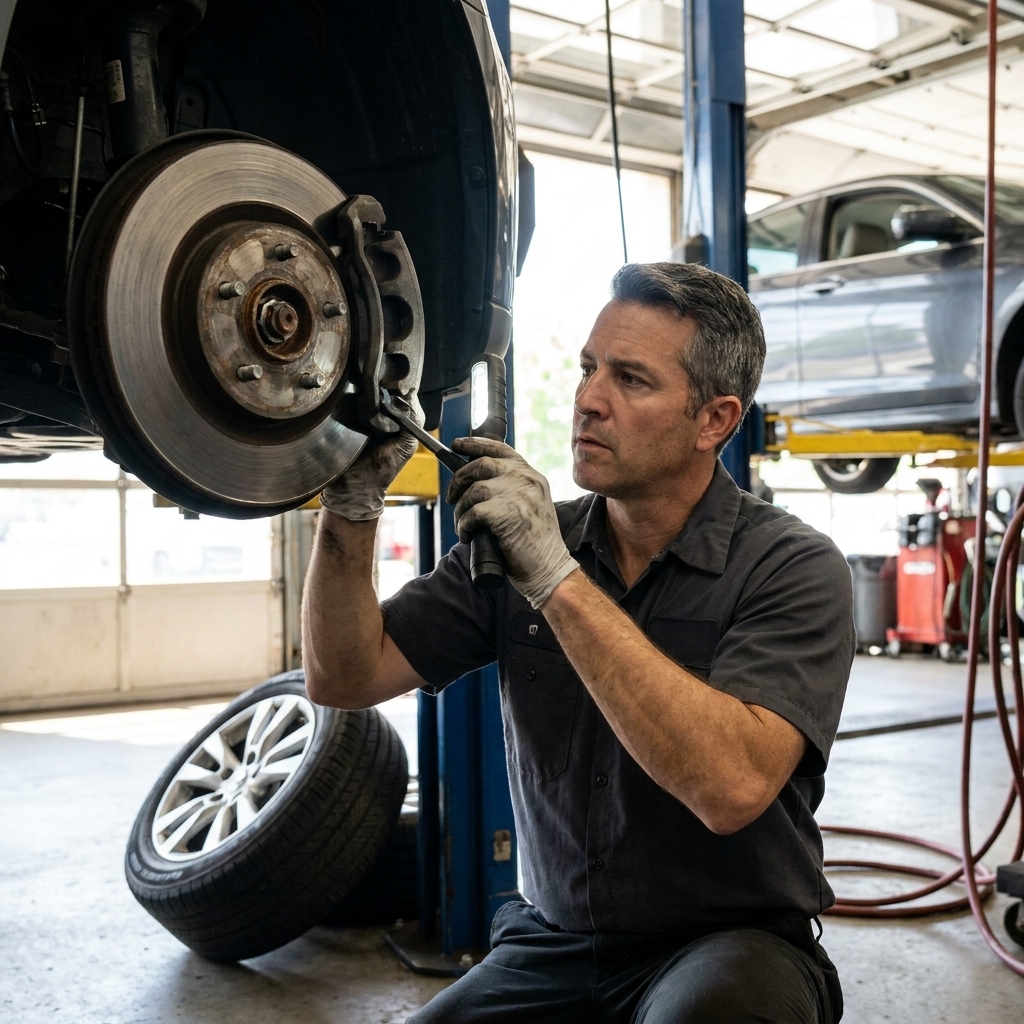
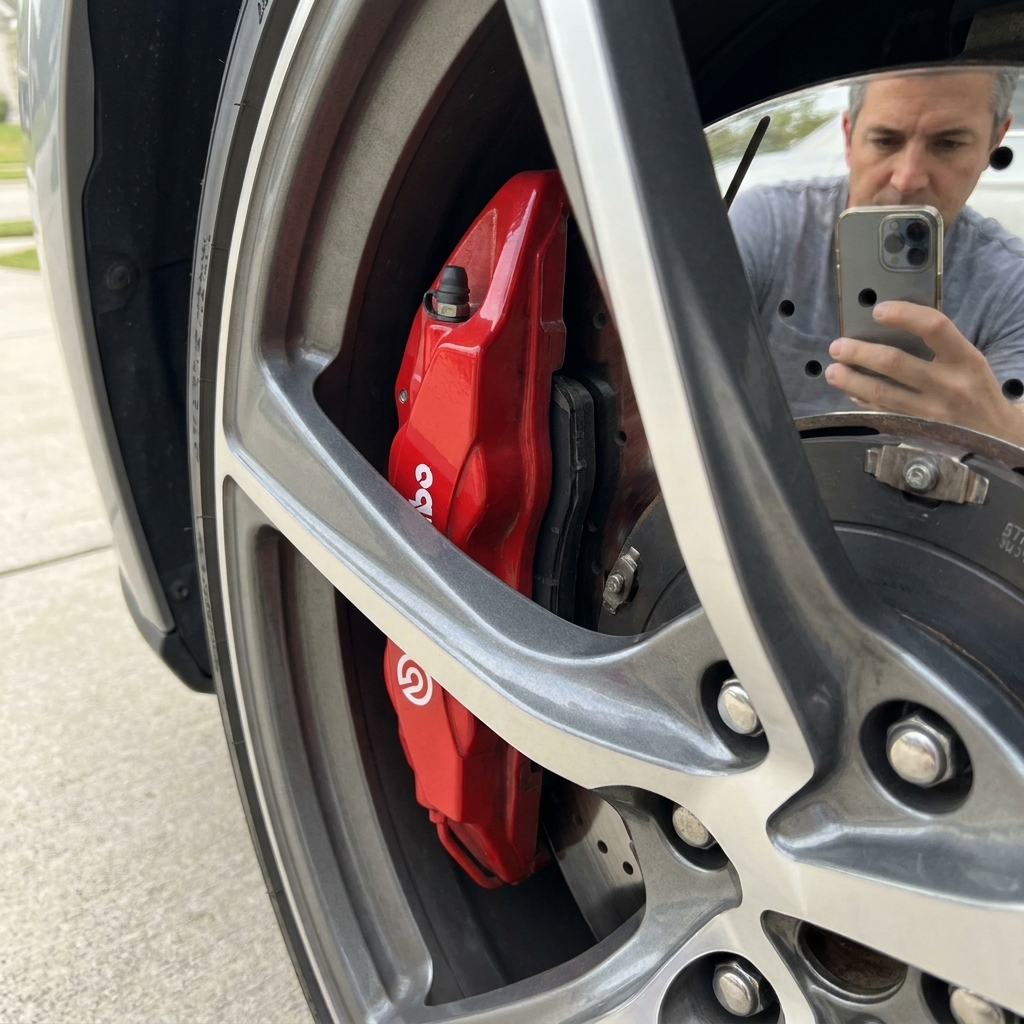
1) Inspect pads, rotors, and brake feel
- If you hear grinding, do not wait. That is often pad material gone and metal-to-metal contact starting.
- If the pedal feels spongy or sinks, get it checked immediately.
- If the car pulls while braking, you may have uneven pads, a stuck caliper, or tire issues.
2) ABS and traction control lights: do not ignore them
Those systems help you keep control on slick roads. If a warning light is on, the system may be disabled.
- Have the codes scanned and repaired before the first major storm.
3) Check your parking brake
Make sure it holds the car on a slope. If you have an electronic parking brake, verify it engages and releases smoothly.
Lights and exterior
Shorter days, dirty roads, and more glare mean lighting matters.
- Walk around the car: low beams, high beams, brake lights, turn signals, reverse lights.
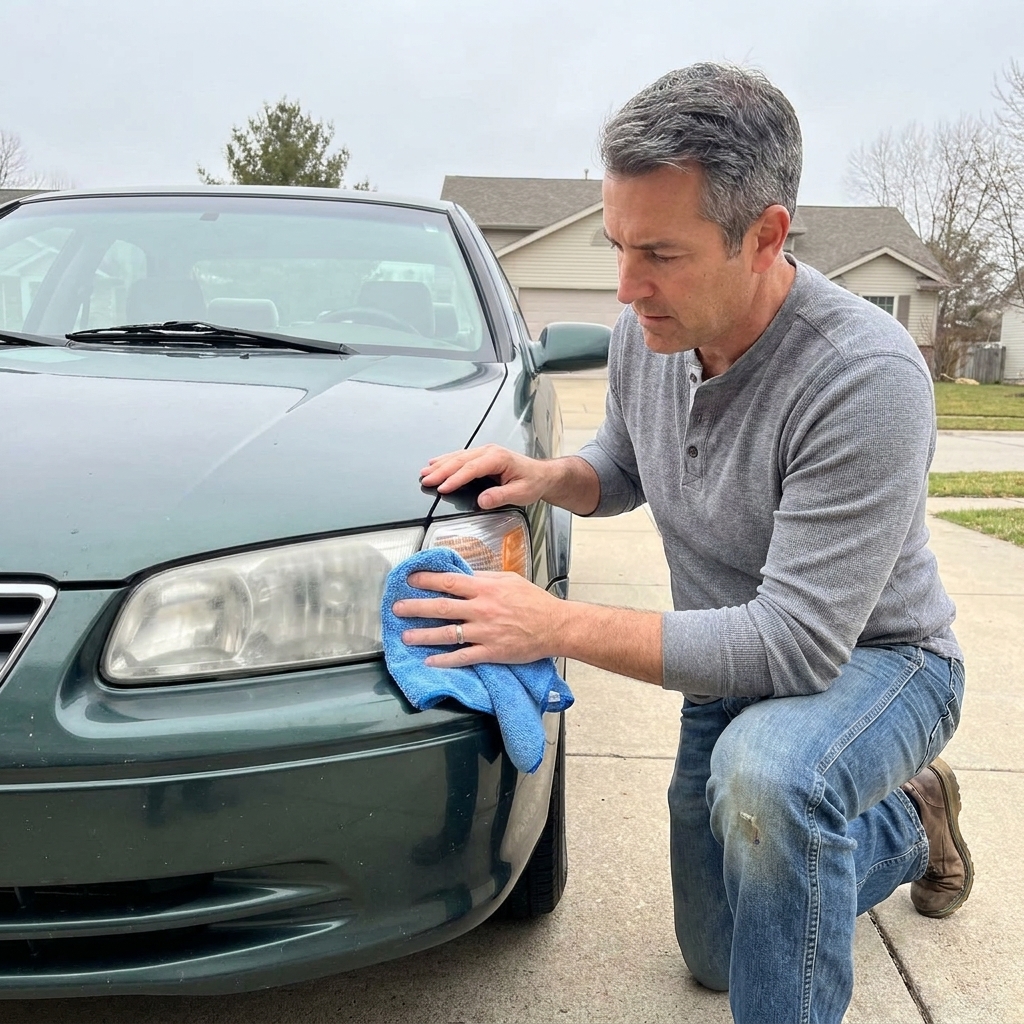
- Clean cloudy headlight lenses. Even a basic restoration kit can noticeably improve output.
- Keep exterior lenses clean. Salt and grime can dim lights quickly.
Rust and salt: protect the body
Road salt is great at melting ice and brutal on metal. If you want the car to last, treat washing like maintenance.
- Wash the undercarriage when roads are heavily salted, especially after storms.
- Touch up paint chips before they turn into rust spots.
- Clean packed snow and salt from wheel wells so it does not sit there for weeks.
Frozen doors and locks
If you have ever yanked a frozen door handle at 6 a.m., you know this one is not theoretical.
- Wipe door jambs and seals clean. Grit and salt hold moisture.
- Use a silicone-based protectant on weatherstripping to help prevent sticking.
- Keep lock de-icer handy if you drive an older vehicle with a key cylinder in the door.
Cold-weather prep for EVs and hybrids
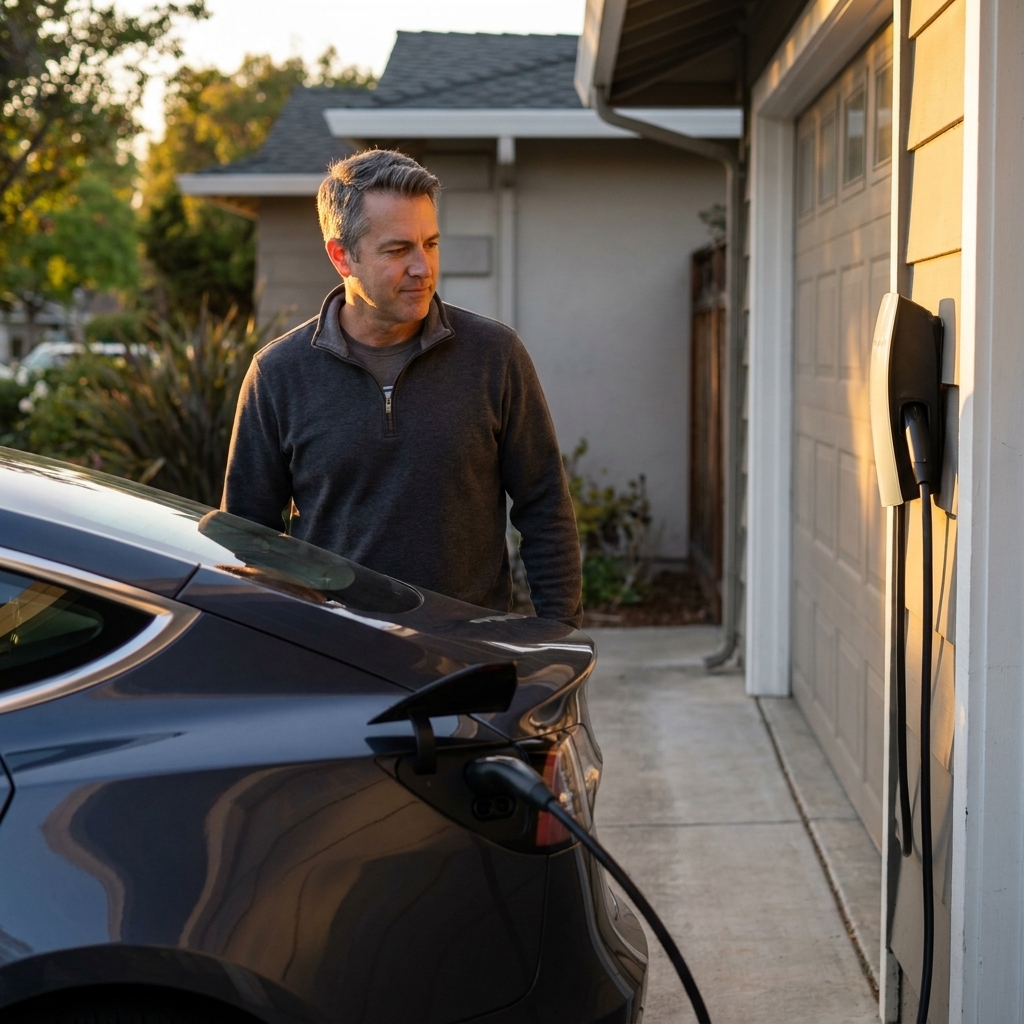
Electric vehicles and hybrids handle cold weather differently. They can be fantastic in snow thanks to precise traction control, but cold impacts range and charging speed.
- Precondition while plugged in: Warm the cabin and battery before leaving if your vehicle supports it.
- Expect less range: Cold temps and heater use can reduce range, sometimes significantly.
- Check tire pressures often: EVs are sensitive to rolling resistance, and low pressure hurts range and handling.
- Keep the charge port area clean: Ice buildup can make plugging in frustrating.
Emergency kit: what I keep in the car
Even a well-maintained car can get stuck behind a wreck or slide into a snowbank. The goal is simple: stay warm, stay visible, and get moving safely.
Basics for most drivers
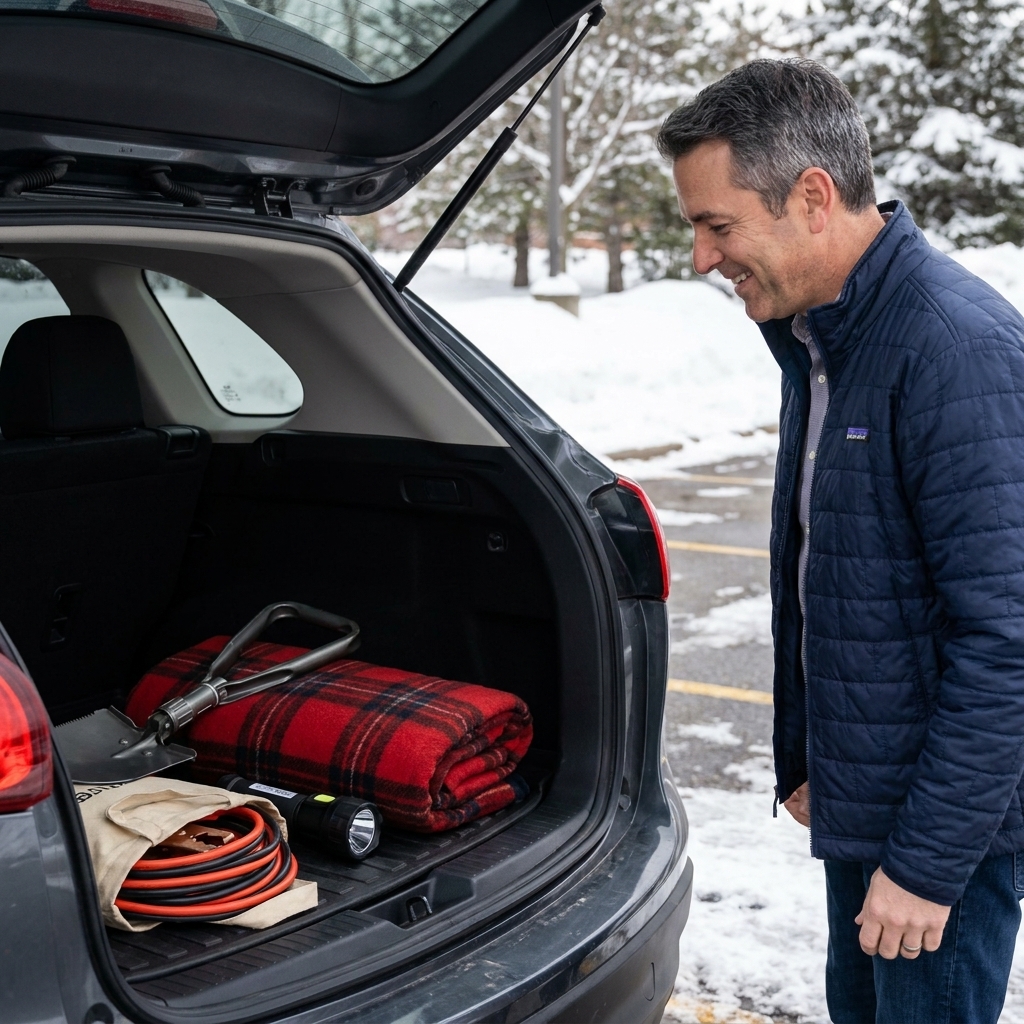
- Warm blanket or sleeping bag
- Warm gloves and a hat
- Small shovel
- Traction aid (sand, cat litter, or traction boards)
- Jumper cables or a jump pack (almost all EVs still use a 12V system)
- Flashlight with fresh batteries
- Phone charging cable and a 12V charger
- Reflective triangles or road flares
- First-aid kit
- Windshield scraper and snow brush
If you drive rural roads
- Extra water and non-perishable snacks
- Tow strap (if you know proper recovery points and techniques)
Safety note: If you are stranded in severe cold, prioritize staying with the vehicle unless help is clearly nearby. If you run the engine for heat, take carbon monoxide seriously. Keep the tailpipe and the area around it clear of snow, make sure the vehicle is not buried, and shut the engine off if you smell exhaust or feel drowsy. Ventilation matters.
A simple routine that prevents most problems
If you want one habit that pays off all season, do this:
- Check tire pressures monthly.
- Keep washer fluid topped off.
- Pay attention to cranking speed and replace a tired battery before it strands you.
- Do a quick walk-around every couple weeks to confirm all lights work.
In my experience, those basics eliminate most cold-weather surprises. Winter driving will always demand respect, but it does not have to be stressful. A little prep turns cold starts and slick commutes into just another day on the road.
FAQ
When should I winterize my car?
Ideally before the first hard freeze. If you live where temps routinely drop below 32°F, get it done in late fall so you are not playing catch-up during the first storm.
Do I really need winter tires, or are all-seasons enough?
All-seasons can be good enough in mild winters if you have solid tread depth and drive conservatively. If you see frequent snow, ice, or steep hills, winter tires are worth every penny for braking and cornering grip. All-weather tires with a 3PMSF rating can be a solid middle ground for many drivers.
Should I let my car warm up for a long time?
Most modern cars only need 30 seconds to a minute to stabilize idle. Then drive gently for the first few minutes. Long idling wastes fuel and can increase engine deposits on some engines. The exception is when you need a few minutes to safely clear windows and mirrors.
What is the fastest way to improve visibility?
Fresh wiper blades, winter-rated washer fluid, and a clean inside windshield. Those three changes make a bigger difference than most people expect.
Should I keep the gas tank full in winter?
If you are dealing with extreme cold or long distances between services, keeping the tank above about half can be a smart habit. It gives you more buffer if traffic stops, and it can reduce moisture condensation in some conditions. It is not magic, but it is a simple way to stack the odds in your favor.