A step-by-step, driveway-friendly guide to visually inspecting brake pads and rotors for wear, damage, and warning signs, with clear next steps if you find p...
If you have ever asked, “What exactly am I supposed to do at 30,000 miles?”, you are not alone. Shop menus and dealer service packages can make routine maintenance feel more confusing than it needs to be. The truth is most cars share the same big wear items, and the major mileage milestones are a solid time to inspect, service, and replace the parts that quietly keep you safe and reliable.
This guide focuses on typical gas-powered cars, with notes for hybrids and EVs where it matters. Always double-check your owner’s manual because some engines and drivetrains have specific requirements. But if you want a clear, no-nonsense roadmap, this will get you most of the way there.
Before you start: a few rules that save money
- Miles and time both count. Some fluids and rubber parts age even if you do not drive much.
- “Inspect” is not code for “replace.” Inspection is valuable when it leads to measurements and evidence, like brake pad thickness in millimeters or tire tread depth in 32nds.
- Use the severe service schedule if you do any of this: lots of short trips, extreme heat or cold, towing, heavy stop-and-go, dusty roads, mountain driving.
- Record everything. A small notebook or notes app with dates, mileage, and receipts pays for itself when you sell the car or dispute a warranty issue.
- When in doubt, prioritize safety. If you are not comfortable measuring brake or suspension wear yourself, have a qualified technician do the inspection and document the results.
Quick checklist: what usually happens at 30k, 60k, and 90k
| Mileage | High-priority items | Common inspections |
|---|---|---|
| 30,000 | Engine air filter, cabin air filter, brake inspection, tire rotation and alignment check | Fluids top-off and condition check, battery test, belts and hoses inspection |
| 60,000 | Transmission service (often), brake fluid (often time-based), coolant check or service (varies), spark plugs on some engines | Suspension and steering inspection, tire and brake wear pattern evaluation |
| 90,000 | Spark plugs on most gas engines, coolant service (varies by miles and years), timing belt service if equipped, deeper suspension work as needed | Leak checks, engine mounts, wheel bearings, drivetrain boots and seals |
Now let’s go milestone by milestone with what to do, what to inspect, and what questions to ask a shop.
30,000 miles: the “catch-up and protect” service
At 30k, your car is usually not “old,” but it is far enough along that small neglect starts to stack up. This is where you prevent expensive wear by keeping the basics clean, lubricated, and adjusted.
Replace or service (most cars)
- Engine air filter: A clogged filter hurts fuel economy and throttle response. Replace if it is dark, packed with debris, or older than your manual’s interval.
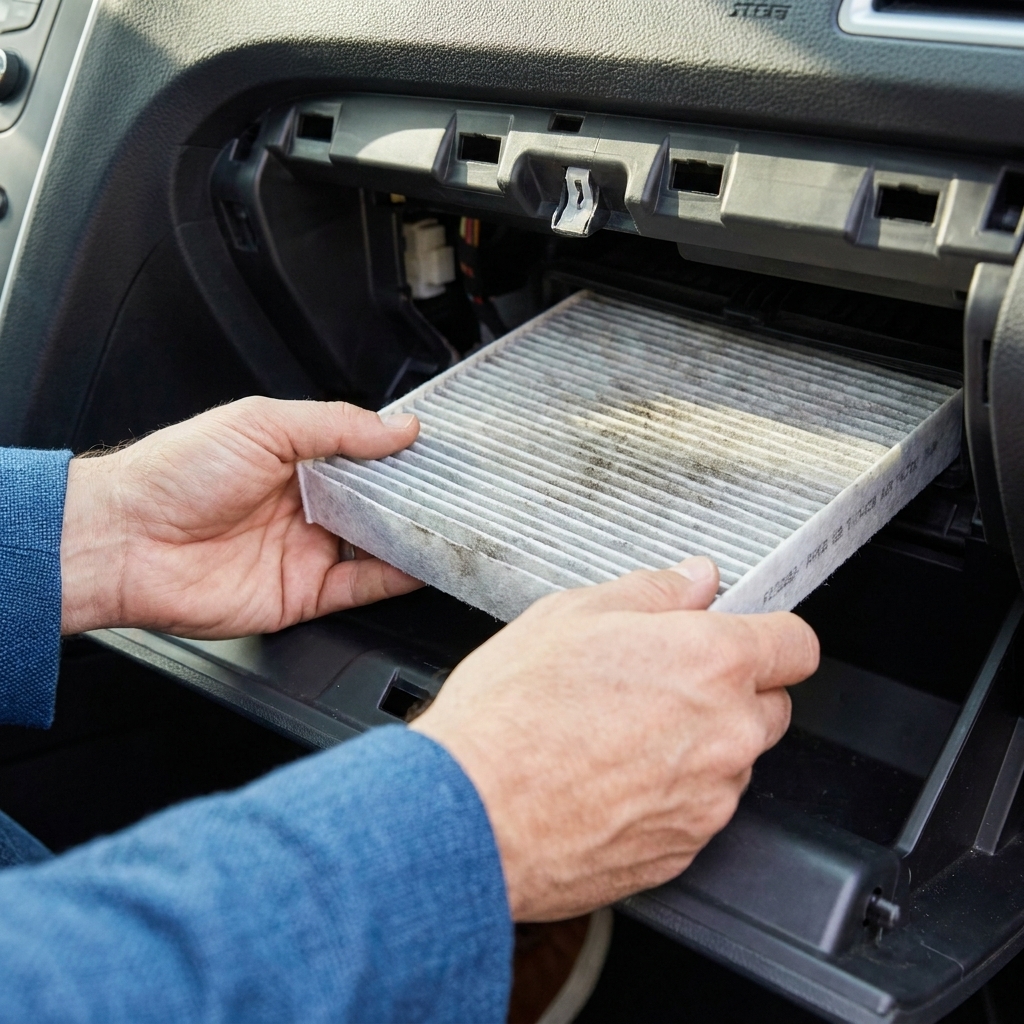
- Cabin air filter: If the HVAC smells musty or airflow is weak, this is usually the culprit.
- Tire rotation: Extend tire life and keep handling predictable. Ask for tread depth readings at all four corners.
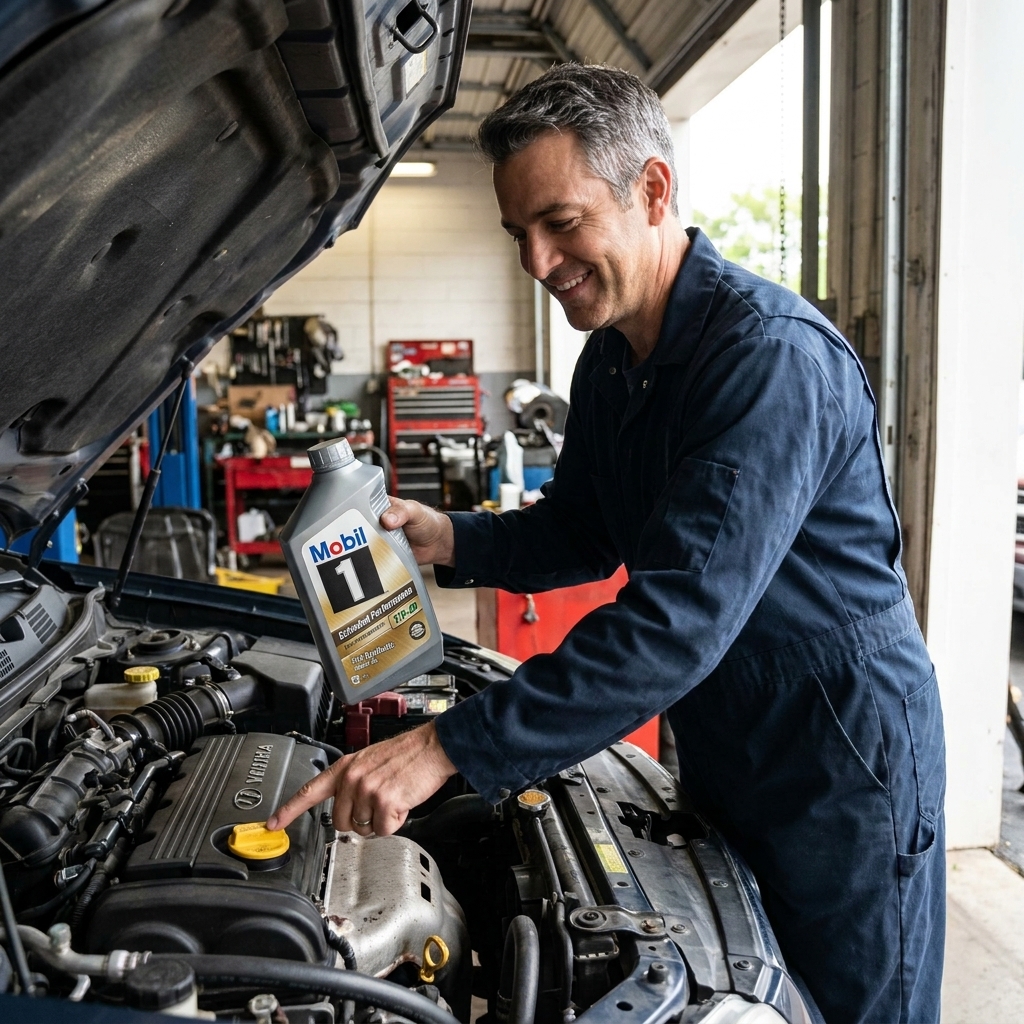
- Oil and filter: You have likely done this multiple times by 30k. If you have not been consistent, start now.
Inspect closely (and document)
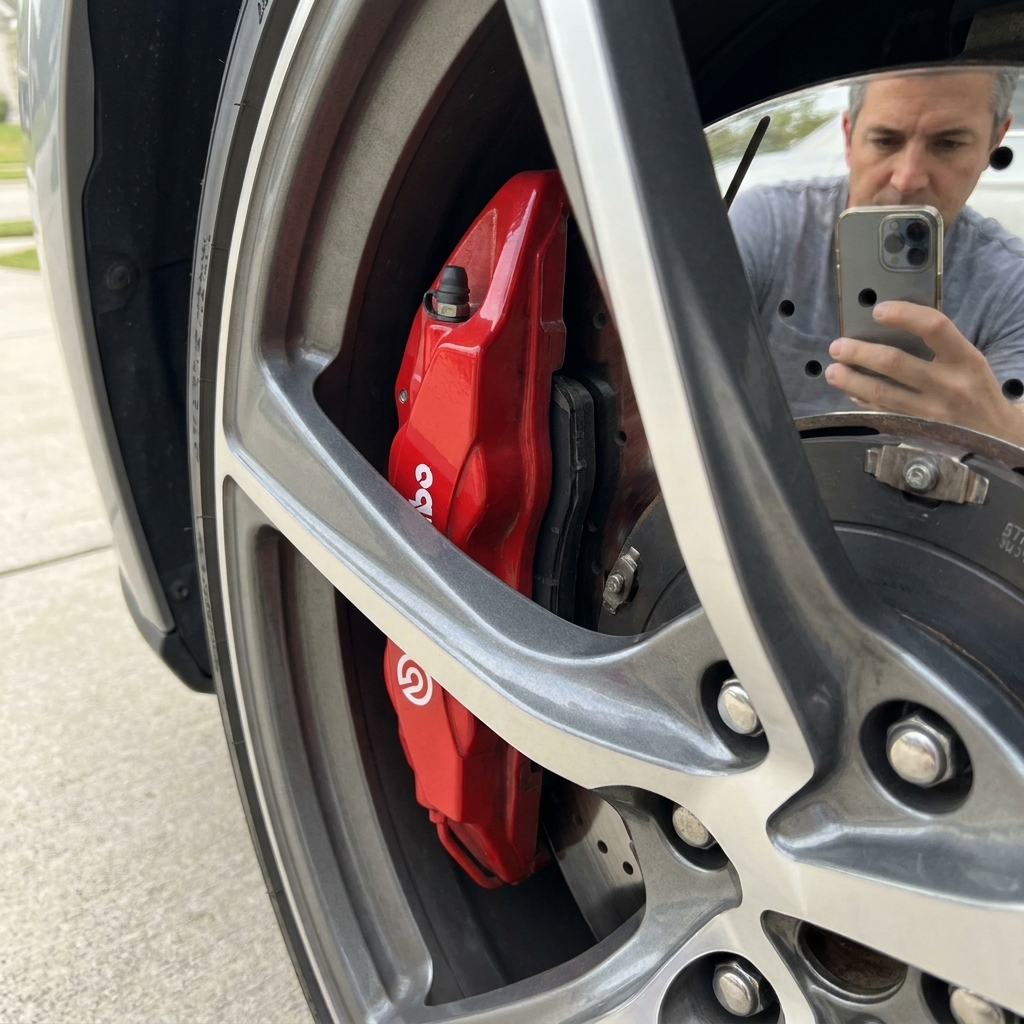
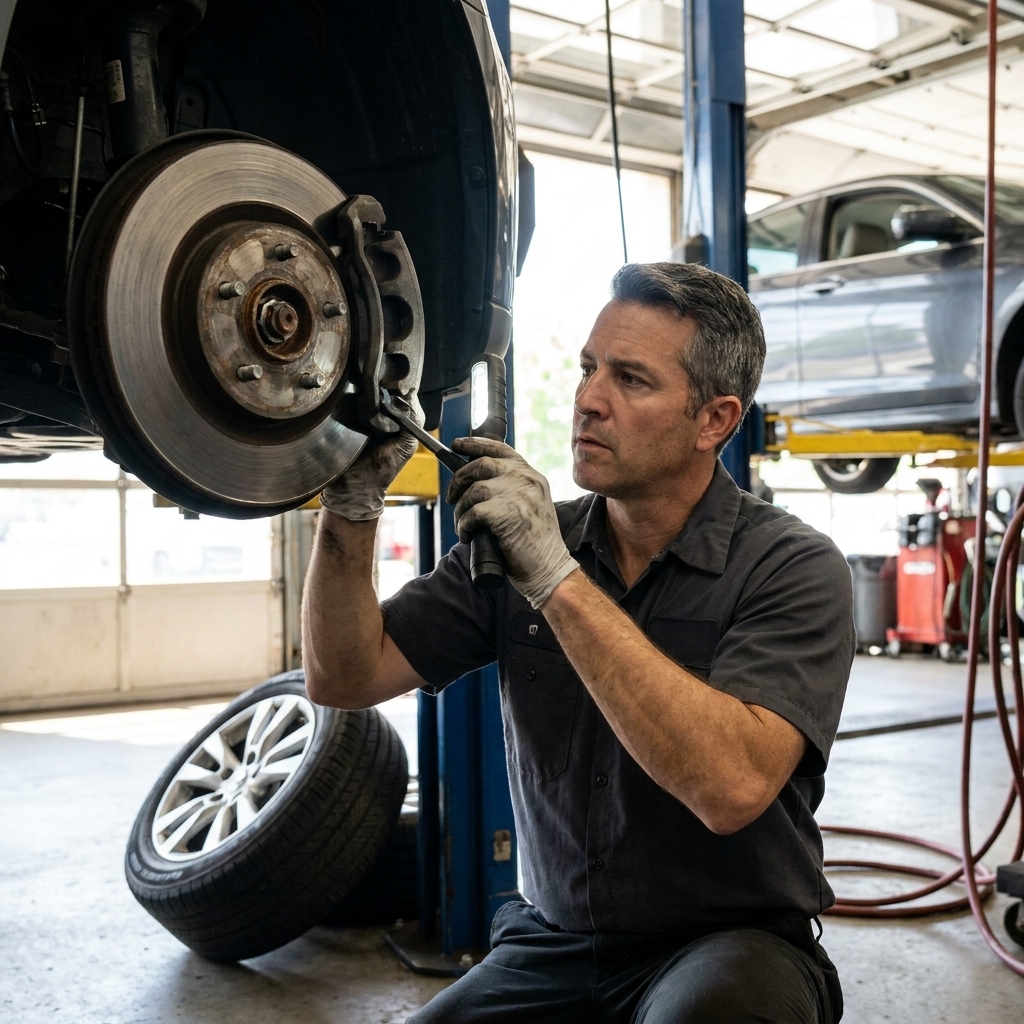
- Brakes: Ask for remaining pad thickness and rotor condition. A good shop will give you numbers and photos if requested.
- Alignment and tire wear: Uneven inside-edge wear is common and expensive if ignored. An alignment is not automatic, but an alignment check is smart.
- Battery and charging system: Load test the battery and confirm alternator output. Batteries often start to weaken around 3 to 5 years, not a specific mileage.
- Belts and hoses: Look for cracks, glazing, swelling, or seepage at hose ends.
- Fluid levels and condition: Brake fluid color, coolant level, power steering (if hydraulic), and transmission fluid condition if it has a dipstick.
Nice-to-do if you want the car to feel “new” again
- Wiper blades and washer fluid: Boring, but safety-critical.
- Clean and lube door hinges and latches: Helps prevent annoying squeaks and sticking.
- Fuel system cleaning: Often unnecessary if you use quality fuel. Consider it only if you have a drivability issue or you are chasing a specific symptom.
- Tire balance (as needed): Rotation keeps wear even. Balancing is what you do when the steering wheel shakes or you feel a vibration at speed.
60,000 miles: the “fluids and friction” milestone
At 60k, the big theme is fluids and friction surfaces. This is where a well-maintained car stays boring, and a neglected one starts racking up check engine lights, harsh shifting, overheating scares, and brake issues.
Replace or service (commonly recommended)
- Transmission service: Many automatics want a drain-and-fill around this time, sometimes with a filter change. Fluid exchanges can be appropriate on some vehicles, but machine flushes are not always recommended by manufacturers. The safe default is to follow the owner’s manual and use the correct fluid, period.
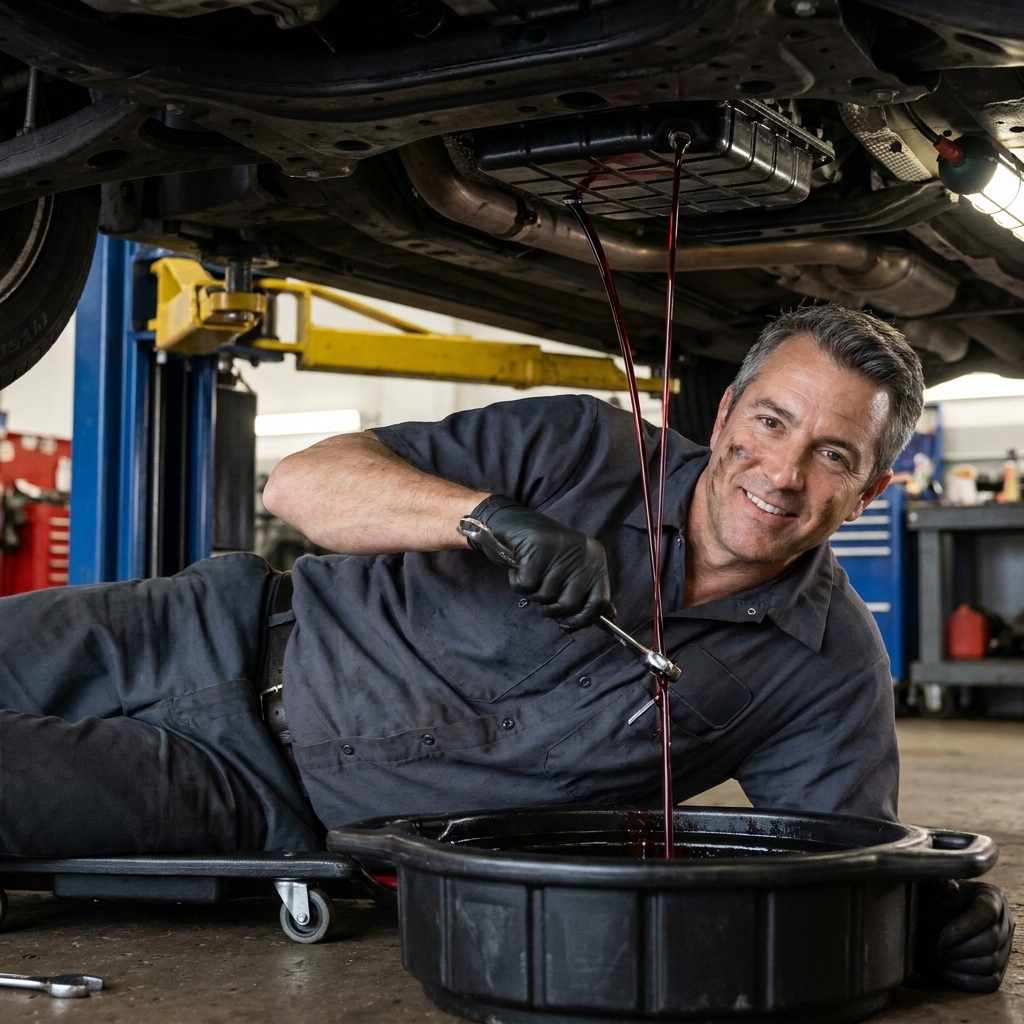
- Brake fluid flush: Brake fluid absorbs moisture over time, which lowers boiling point and can corrode expensive ABS components. Many manufacturers specify intervals around 2 to 3 years, but check your manual.
- Coolant service (varies): Some coolants are long-life to 100k miles or more, others are not. Time matters too. Test coolant condition and follow the manual, not the bottle marketing.
- Engine air and cabin filters: Many drivers will be due again by 60k.
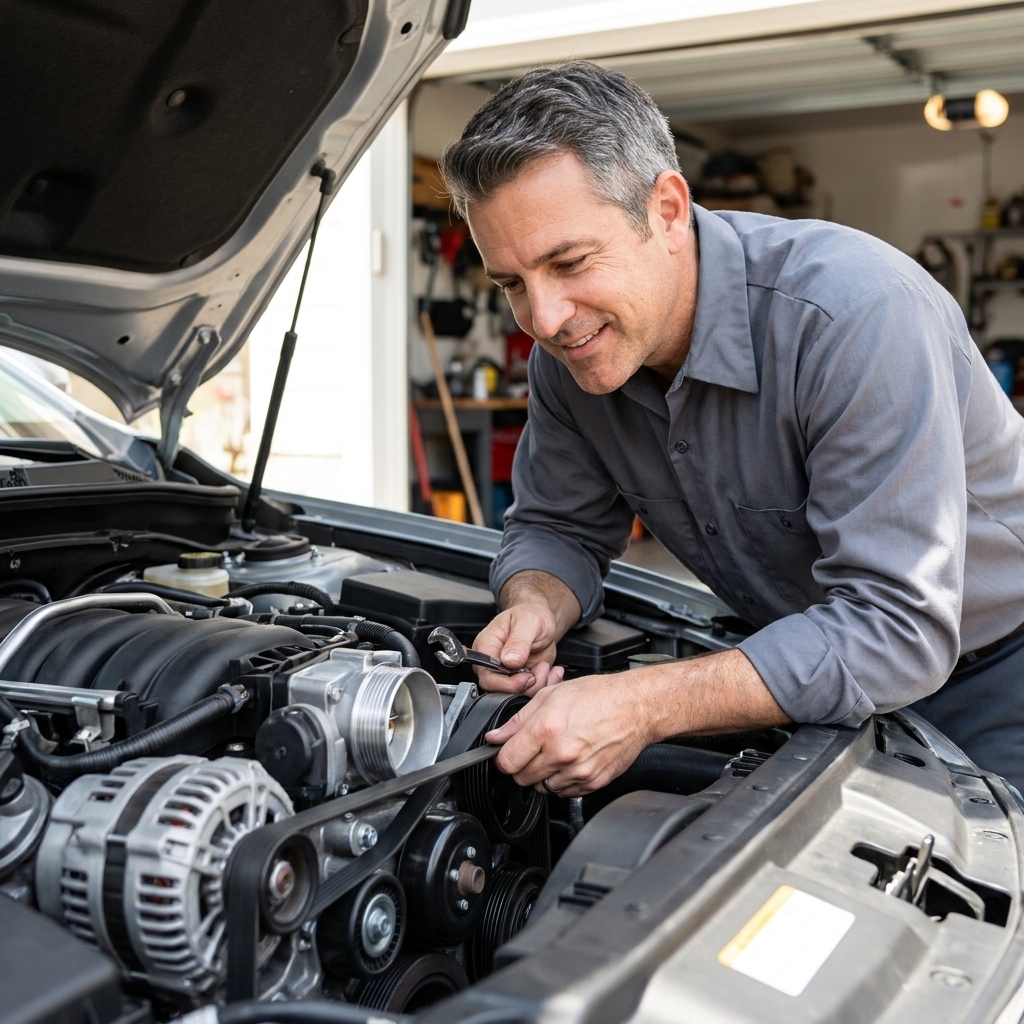
- Drive belt (serpentine belt): Not always due, but it should be inspected carefully. If it is cracked, glazed, or noisy, replace it before it strands you.
Spark plugs: depends on your engine
This one trips people up. Older copper plugs might be due before 60k. Modern iridium plugs often go 100k, but not always, especially on turbocharged engines that run hotter. If you are getting misfires under load, rough idle, or poor fuel economy, plugs and coils deserve attention.
Common “missed” items worth checking
- PCV valve (or PCV system): On many engines, this is a quiet troublemaker between roughly 60k and 100k. A stuck PCV can contribute to oil leaks, sludge, rough idle, and oil consumption. Some are easy and cheap. Others are built into a valve cover and cost more. Either way, ask if yours has a service interval.
- Fuel filter (if serviceable): Many modern cars have an in-tank filter that is not a routine maintenance item. If your vehicle has an external, serviceable filter, follow the manual.
- Throttle body or MAF cleaning (symptom-based): Not a must-do for everyone. But if you have a sticky throttle, unstable idle, hesitation, or a specific code pointing that direction, inspection and cleaning can help.
Inspect for the first real signs of wear
- Suspension and steering: Look for worn ball joints, tie rod ends, control arm bushings, and leaking struts or shocks. If the car feels floaty, clunks over bumps, or chews tires, do not wait.
- Brake hardware: Caliper slide pins, boots, and pad hardware matter. Sticky slide pins are a common cause of premature pad wear.
- Engine and transmission mounts: Excess vibration at idle or clunks when shifting from reverse to drive can be mount wear.
- Exhaust system: Heat shields and hangers start to rust in the snow belt. Catch rattles early.
Manual transmissions (if you have one)
- Manual gearbox fluid: Some manuals specify periodic fluid changes, others do not. If you shift in extreme heat, tow, or do a lot of stop-and-go, it is worth checking the manual and considering a fluid change.
- Clutch hydraulic fluid (if equipped): Many cars share brake fluid between the brakes and the clutch hydraulics. If your manual calls for a brake fluid flush, you are often taking care of both.
90,000 miles: the “big-ticket prevention” service
By 90k, your car has earned some attention. This is where you want to think like an owner, not just a driver: prevent the breakdown that costs a tow, a missed workday, and a painful repair bill.
Spark plugs (most gas engines)
Many vehicles with iridium plugs call for replacement around 90k to 100k. Fresh plugs can restore smoothness, cold starts, and fuel economy. If your engine is known for difficult plug access, like some transverse V6s, budget labor accordingly.
Timing belt: if your engine has one, this is huge
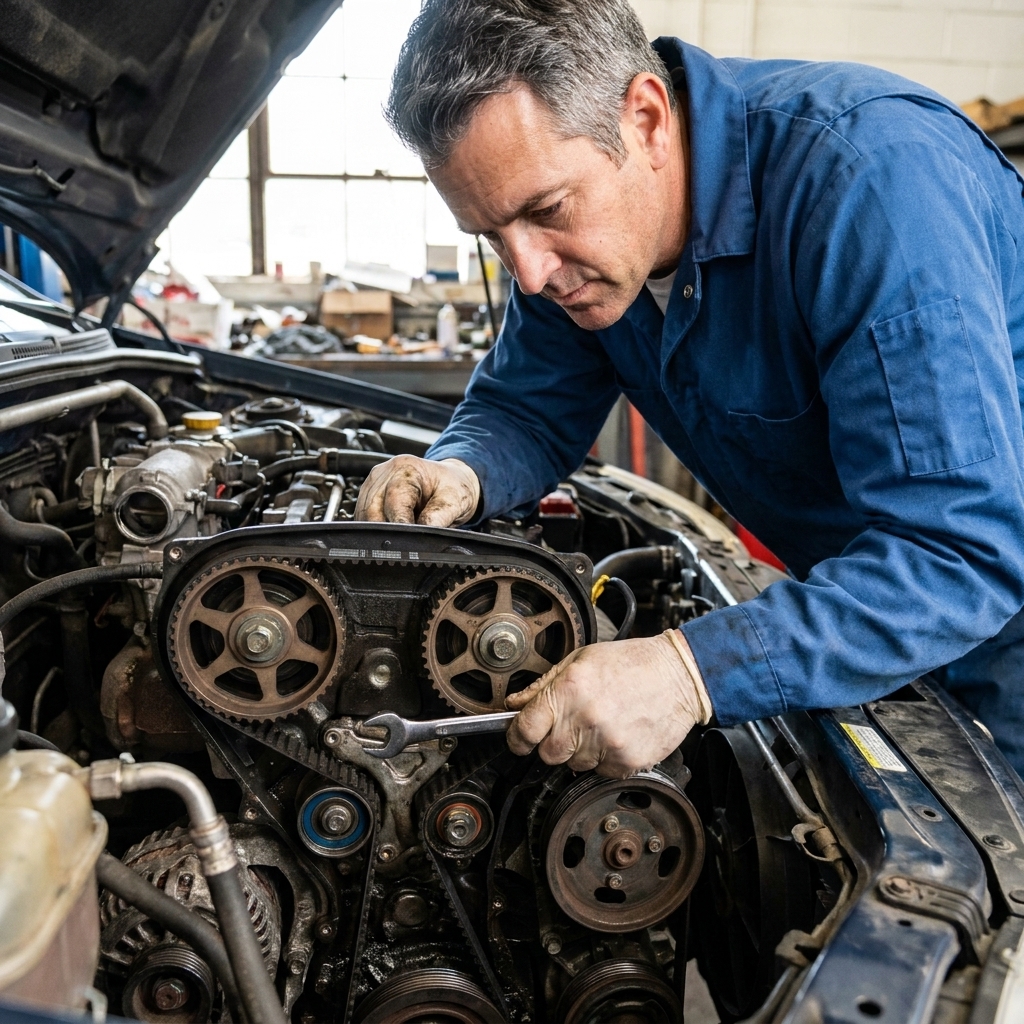
Not every engine uses a timing belt. Many use a timing chain. If your engine has a timing belt, replacement is often due somewhere between 60k and 105k, and 90k is right in the danger zone for a lot of cars. A broken belt on an interference engine can bend valves and turn routine maintenance into an engine rebuild.
- What to replace: Timing belt, tensioner, idlers, and often the water pump and seals while you are in there.
- What to ask the shop: “Are you replacing the tensioner and pulleys with the belt?” If not, ask why, and consider getting a second opinion.
Coolant and hoses
Even long-life coolant does not last forever. On many vehicles, the first major coolant service happens somewhere around 90k to 120k miles, or a set number of years, whichever comes first. A full drain and fill plus a pressure test helps confirm there are no slow leaks. Hoses, thermostat housings, and plastic fittings can become brittle with heat cycles.
Transmission and differential fluids
- Automatic transmission: If you serviced it at 60k, you may not be due again yet, but this is a great time to re-check condition and follow the manufacturer’s interval.
- CVT: CVTs are picky about fluid. Many benefit from regular service intervals. Do not skip this.
- AWD/4WD: Transfer case and differential fluids are often overlooked, and they are not cheap when they fail.
- Manual transmission: If you have a manual, this is a common window to service the gearbox fluid if your manual calls for it or if shifting quality has degraded.
Brakes, tires, and suspension: plan for replacements
Depending on your driving style and environment, 90k is often where you start budgeting for real wear items: struts, control arms, wheel bearings, and a second set of brake pads and rotors. There is no one-size-fits-all, so insist on measurements and an explanation you can understand.
What changes for hybrids and EVs?
Hybrids and EVs still need maintenance, just in different places.
Hybrids
- Engine oil and filters: Still required, though sometimes at longer intervals depending on how the engine is used.
- Brake service: Regenerative braking reduces pad wear, but brakes can corrode from lack of use. Brake cleaning and lubrication becomes more important.
- Coolant: Many hybrids have separate cooling loops for the engine and electronics. Follow the manual closely.
EVs
- No oil changes, no spark plugs, no transmission service in the traditional sense.
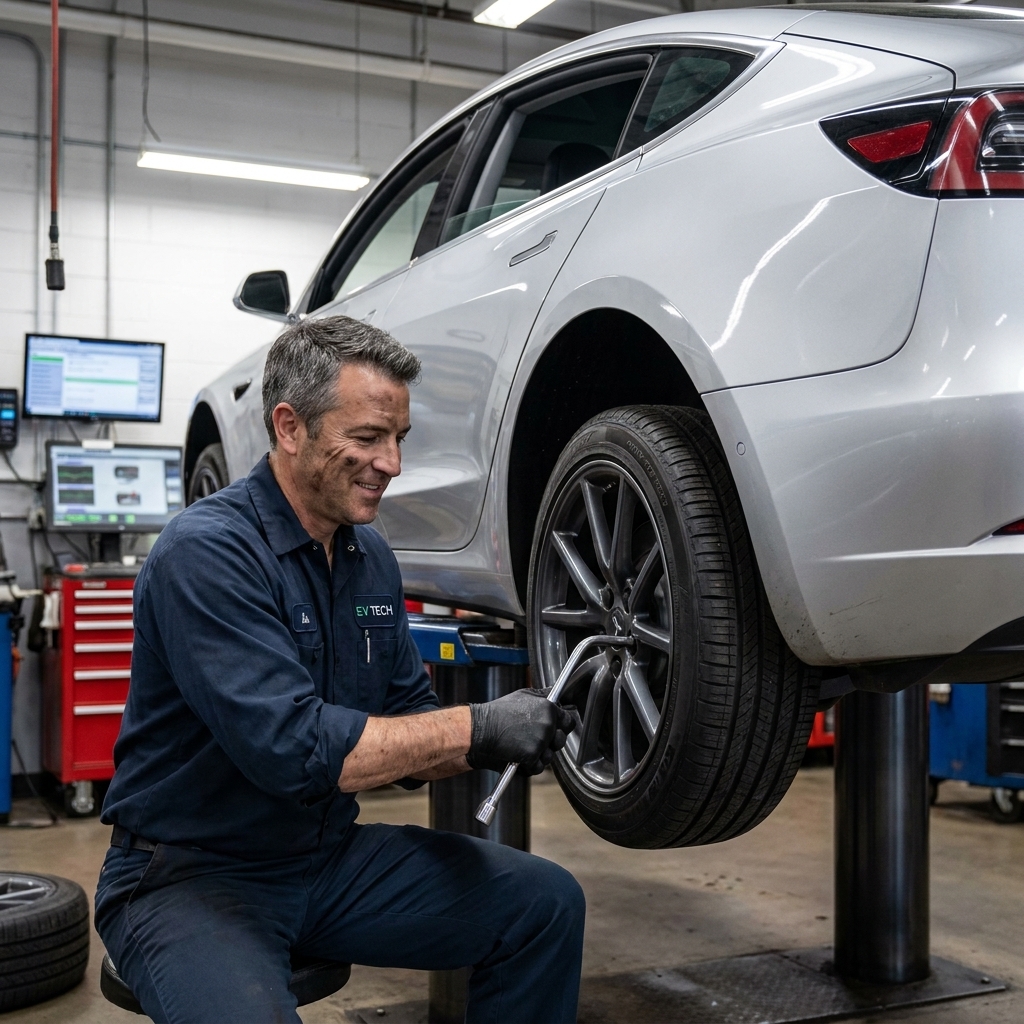
- Still critical: Tire rotations (EVs are heavy and torque-happy), brake fluid intervals, cabin air filters, suspension wear, and coolant for battery or power electronics where applicable.
- Do not skip this line in your manual: Some EVs specify reduction-gear oil service, even if it is infrequent. Others call it lifetime fill. Either way, check.
- High priority inspection: Tires for inner-edge wear and alignment. EVs can eat tires fast if alignment is off.
Red flags that mean you should not wait for the next milestone
- Transmission: slipping, delayed engagement, hard shifts, burnt smell
- Brakes: grinding noise, pulling, pulsation, soft pedal, brake warning light
- Cooling system: temperature gauge climbing, sweet smell, low coolant level that returns after topping off
- Steering and suspension: clunks, wandering, vibration, uneven tire wear
- Check engine light: flashing means stop driving and diagnose now
How to talk to a shop without getting sold extras
You do not need to be a mechanic to stay in control. Here are a few phrases I love because they force clarity without being confrontational.
- “What are the measurements?” Brake pad thickness, rotor thickness, tire tread depth, battery test results.
- “Show me the part you are recommending and what is wrong with it.” Good shops are happy to.
- “Is this maintenance by the owner’s manual, or is it a shop recommendation?” Both can be valid, but they are not the same thing.
- “What happens if I wait 5,000 miles?” This separates urgent safety issues from convenience items.
FAQ
Is 30k, 60k, and 90k maintenance really necessary?
The mileage number itself is not magic, but the wear is real. Those milestones are simply convenient times to bundle inspections and fluid services so small problems do not become expensive failures.
Do I have to do everything on the list at exactly 30,000 miles?
No. Think in windows. If you do a 30k item at 27k or 33k, you are fine. The exception is anything safety-related or any issue with symptoms, like pulling brakes or overheating.
What is the biggest “missed service” you see?
Brake fluid, transmission fluid on many automatics and CVTs, and AWD/4WD differential or transfer case fluids. Those systems are expensive when neglected.
My car has a timing chain. Do I need to replace it at 90k?
Usually no. Timing chains are designed to last much longer, but they are not maintenance-free. Clean oil at the right interval is what keeps a timing chain alive. If you hear chain rattle at startup or you get timing-related fault codes, get it diagnosed.
Bottom line
If you keep up with the 30k basics, handle the 60k fluid work, and plan ahead for 90k items like spark plugs and timing belt service where applicable, you will avoid most of the surprise repairs that make car ownership stressful. Your owner’s manual is the final word, but the schedule above is a dependable playbook for the real world.