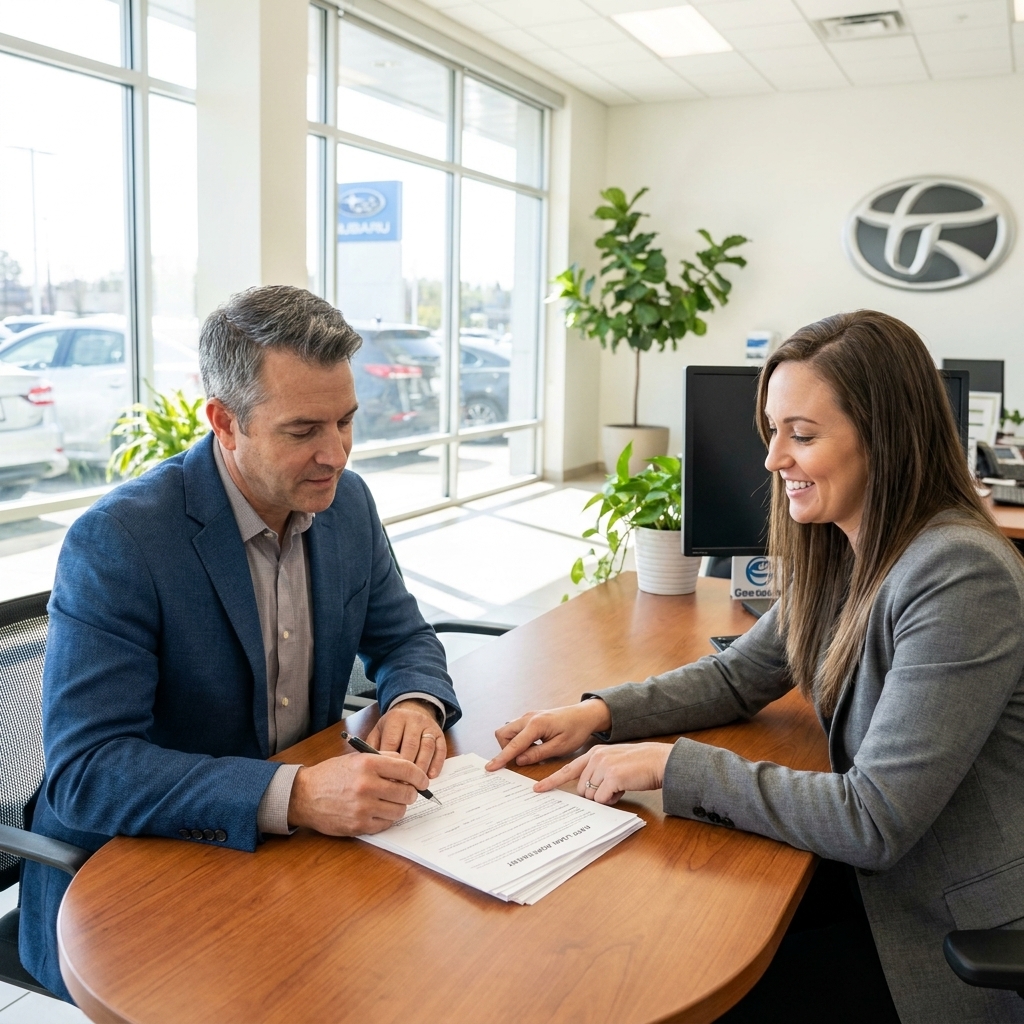
A beginner-friendly guide to car loans, APR, terms, down payments, and pre-approval so you can shop with confidence and avoid expensive surprises.
If you have ever stared at a dealer worksheet and wondered why leasing looks “cheaper” than buying, you are not alone. I have watched plenty of smart, practical drivers get turned around by the math, the jargon, and the pressure to “just focus on the monthly payment.”
Here is the simple truth: leasing and buying are two different ways to pay for a car, and each can be the right move depending on how you drive, how long you keep vehicles, and how predictable you need your costs to be. Let’s break it down like we would at the shop counter, no intimidation and no mystery.
What leasing means
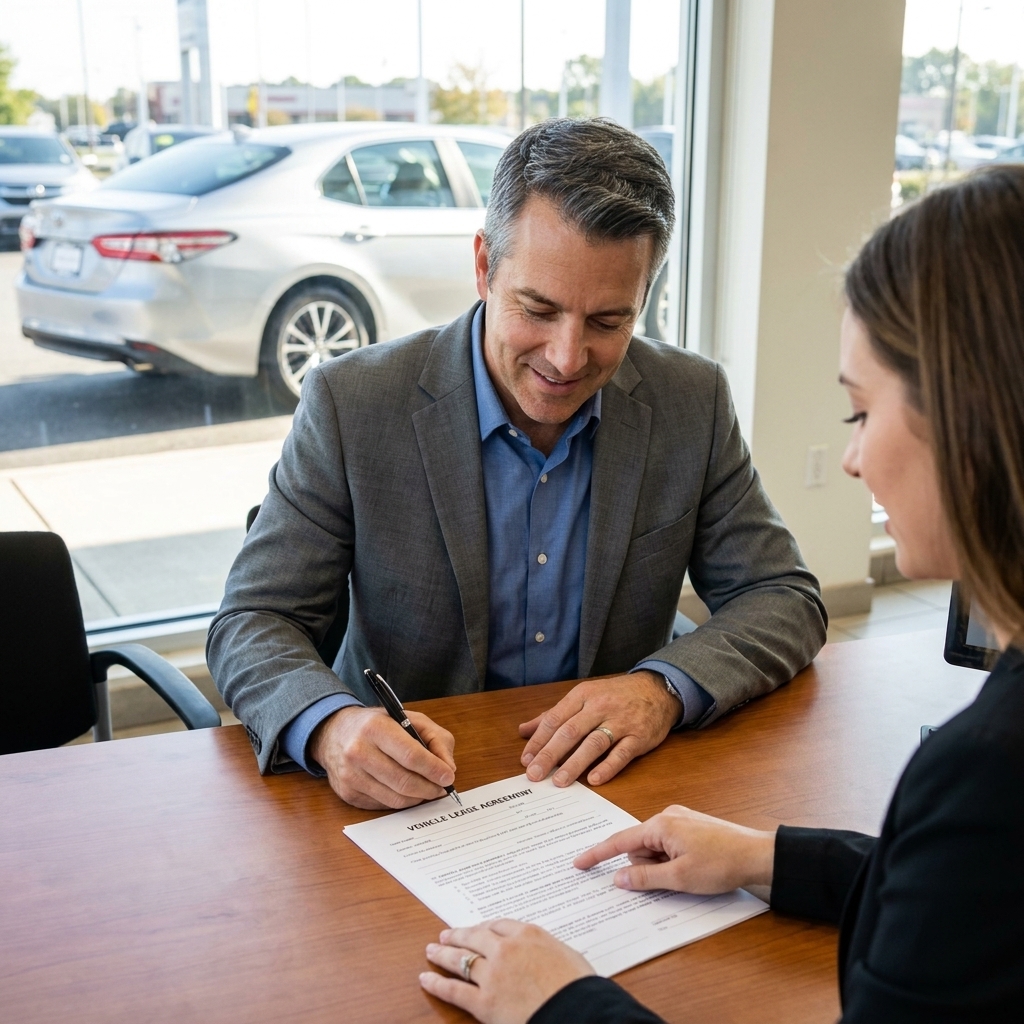
When you lease, you are paying for the portion of the car you use during the lease term, plus finance charges and fees. Most leases run 24 to 36 months. Some go 39 months, and longer terms like 48 months exist but are less typical.
At the end, you typically have three options:
- Turn it in and walk away (after any wear-and-tear and mileage charges)
- Buy it for the pre-set buyout price (also called the residual value)
- Lease another vehicle and start over
Leasing works best when you like having a newer vehicle, drive a predictable number of miles, and value warranty coverage and a set time horizon.
What buying means
When you buy, you pay the full purchase price over time (or all at once with cash). If you finance, you build equity as you pay down the loan. When the loan is paid off, you still have a vehicle, and ideally several years of payment-free driving.
Buying usually works best when you:
- Keep cars for a long time
- Drive a lot of miles
- Want to modify your vehicle or use it hard (kids, pets, work gear, gravel roads)
- Care about long-term total cost more than having something new every few years

Leasing vs. buying
| Category | Leasing | Buying |
|---|---|---|
| Monthly payment | Usually lower | Usually higher |
| Ownership | No (unless you buy at the end) | Yes |
| Mileage flexibility | Limited by contract | Unlimited |
| Wear-and-tear | Fees possible at turn-in | You live with it, no turn-in inspection |
| Up-front and end fees | Often includes acquisition and possible disposition fees | Typically fewer contract-specific fees |
| Long-term cost | Often higher if you lease repeatedly | Often lower if you keep the car after payoff |
| Best for | Drivers who want newer cars and predictability | Drivers who want equity and long-term value |
Pros and cons of leasing
Pros
- Lower monthly payment (often) because you are paying depreciation over the lease term, not the whole car.
- Newer car more often with modern safety tech and updated features.
- Warranty coverage overlaps the lease on many models, which can reduce surprise repair bills.
- Potentially different tax treatment in some states. Some states tax monthly lease payments, while others tax more up front. Rules vary by state.
Cons
- Mileage limits often fall around 10,000 to 15,000 miles per year, with common variations like 7,500, 12,000, and higher-mileage programs depending on brand and deal. Go over, and you pay per mile.
- Wear-and-tear charges at the end can sting if you have kids, pets, city parking, or rough commutes.
- You are always making a payment if you lease back-to-back. There is rarely a payment-free phase.
- Harder to get out early. Ending a lease early can be expensive unless you transfer it or the market value is higher than what it costs to pay it off. Even then, some leasing companies limit third-party buyouts, which can reduce your options.
- Little control over the end value. The residual is set up front. If the market drops, you can walk away. If the market rises, you might wish you owned it.
Pros and cons of buying
Pros
- You build equity as you pay down the loan.
- No mileage restrictions, which matters a lot for road trippers and long commutes.
- Freedom to modify your car and use it how you want.
- Long-term savings potential when you keep the car after it is paid off.
Cons
- Higher monthly payments in many cases.
- Depreciation risk is yours. If values drop or you need to sell quickly, you can be upside down.
- Out-of-warranty repairs become your problem if you keep the car long enough (which is often the whole point).
- More responsibility for resale when you are done with it.
Costs people miss
Most “lease vs. buy” conversations get stuck on the monthly payment. That is a mistake. Here are the hidden or overlooked costs that actually decide whether you come out ahead.
1) Money due at signing
Leases often advertise a tempting payment that assumes money due at signing. That can include the first payment, acquisition fee, registration, and a down payment (sometimes called a cap cost reduction).
My rule of thumb: put as little down on a lease as possible. If the car gets totaled or stolen early in the lease, that cap cost money is typically not coming back to you. Many leases include GAP coverage that can help cover the difference between what insurance pays and what is owed on the lease, but GAP does not usually refund your down payment.
2) Fees that come with leasing
- Acquisition fee (to start the lease)
- Disposition fee (when you turn it in)
- Wear-and-tear charges (if applicable)
- Excess mileage
3) Insurance requirements
Leased vehicles often require you to carry specific coverage types and minimum liability limits, and you will need comprehensive and collision. The exact requirements vary by leasing company, state, and sometimes the lender’s rules. Even when requirements are similar, a newer car can cost more to insure than an older one.
4) Tires, brakes, and other consumables
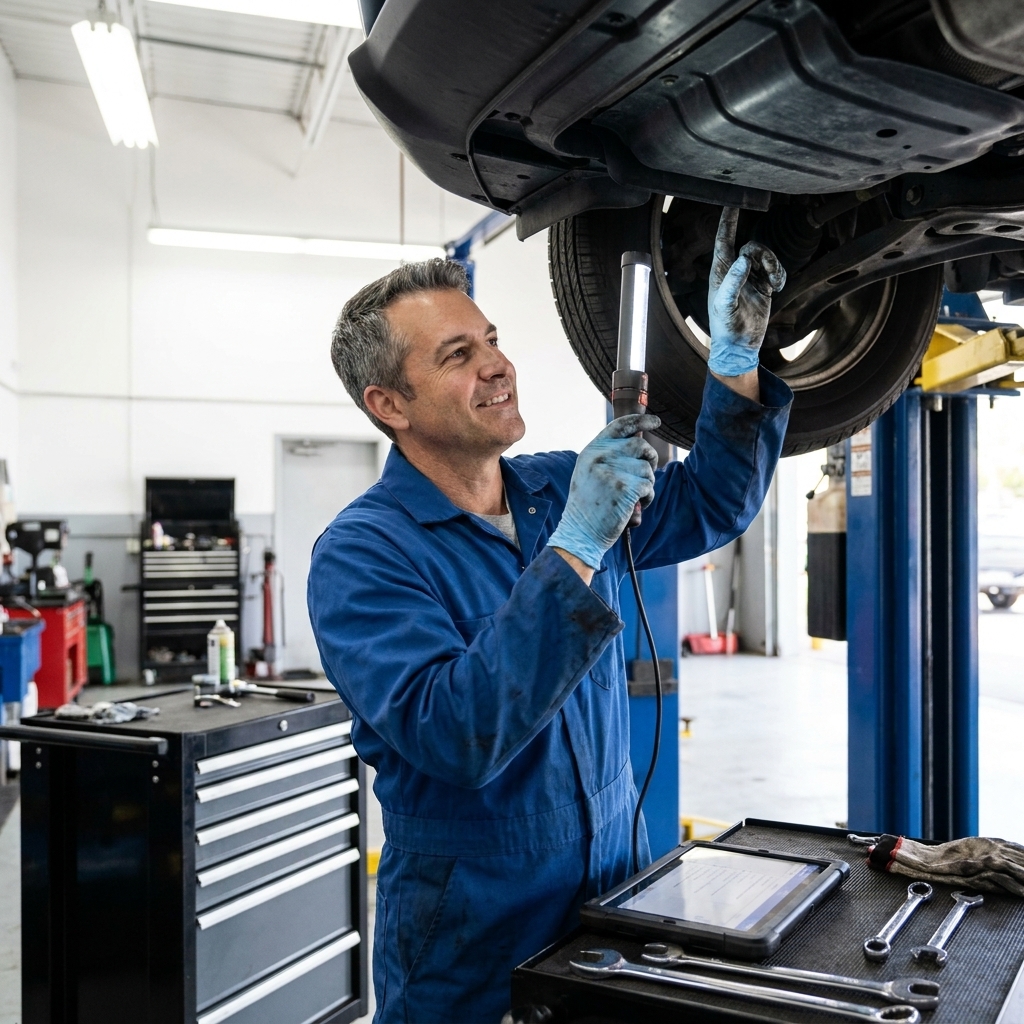
Yes, a lease can be under warranty, but warranty does not buy you tires. If your lease turn-in requires a certain tire tread depth, you may be buying tires right before you hand the car back. Brakes, wiper blades, and damage repairs can land in the same bucket.
5) Maintenance and turn-in standards
Leases expect you to follow the required maintenance schedule. Miss oil changes or ignore a warning light, and you can create headaches at turn-in. Inspections vary by brand and lessor, but the general rule holds: if it looks “beyond normal use,” you may be paying for it.
6) The opportunity cost of always new
When you buy and keep a car for 8 to 12 years, the later years can be incredibly cost-effective, even with some repairs. Leasing keeps you paying for the steep early depreciation again and again.
How to decide
If you are on the fence, answer these honestly. The pattern will usually point you in the right direction.
Lean toward leasing if:
- You drive predictable miles and can stay under a mileage cap.
- You like a new vehicle every 2 to 3 years.
- You want to stay mostly inside the factory warranty.
- You value a consistent monthly cost and can accept possible fees at the end.
- You can follow the rules: maintenance on time, decent care, minimal modifications.
Lean toward buying if:
- You drive a lot or your mileage varies year to year.
- You keep cars long-term and want a period of no payments.
- You want the freedom to road trip, haul, modify, or live in the car without worrying about a turn-in inspection.
- You want to build equity and keep more options open later.
Real-world scenarios
Scenario A: The steady commuter
You drive 10,000 to 12,000 miles a year, you park in a garage, and you like new tech. Leasing can make sense, especially if you prefer a predictable warranty window and do not want to think about resale.
Scenario B: The long-distance driver
Sales routes, long commutes, frequent road trips. Buying usually wins because mileage penalties and accelerated wear add up fast on a lease.
Scenario C: The family hauler
Car seats, strollers, sports gear, snack spills. Leasing is not impossible, but turn-in standards can be stressful. Buying tends to be more forgiving and cheaper long-term if you keep it.
Scenario D: The life-is-changing driver
If your life is likely to change within 2 to 3 years, leasing can be risky because getting out early is tough. Buying can also be risky if you put little down and might need to sell quickly. In this situation, I often recommend considering a reliable used car with a smaller depreciation hit. If it must be new, compare both options carefully with an eye toward flexibility and exit costs.
What about EVs
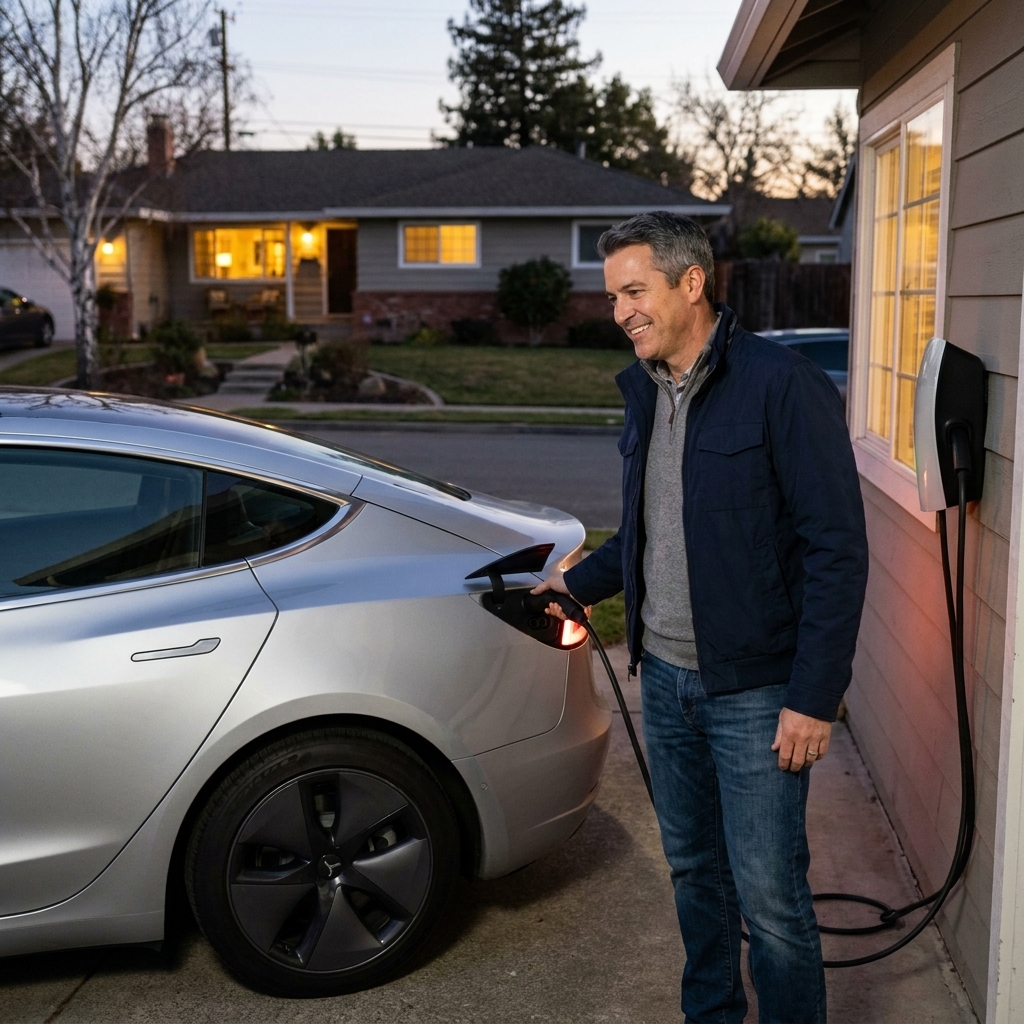
Sometimes leasing does make more sense with EVs. Incentives, depreciation uncertainty, and fast-changing charging and battery tech can tilt the scales toward leasing for certain drivers, especially if you are worried about what the resale market will look like in three years.
- Incentives: In some places, the leasing company can capture EV incentives and pass some of that value to you through lease pricing, even when you might not qualify on a purchase. How much gets passed through varies.
- Depreciation uncertainty: Used EV values can swing based on new-model price cuts, battery perceptions, and changing charging standards. Leasing can limit your exposure.
- Tech changes: If you want the option to upgrade as range and charging speeds improve, a shorter lease can be appealing.
Incentive programs and rules are jurisdiction-specific and can change fast, so verify what applies where you live before you build a whole plan around it.
That said, if you plan to keep an EV for a long time and you have home charging, buying can still be a great value, especially if the model has strong reliability and you drive enough miles to benefit from lower fueling and maintenance costs.
How to shop smart
1) Negotiate the vehicle price first
Whether leasing or buying, start with the out-the-door purchase price of the car. A lease is still based on a vehicle price. If the price is inflated, the lease is inflated.
2) Ask for the lease numbers
- MSRP (sticker price)
- Selling price (negotiated price)
- Residual value (what the car is expected to be worth at lease end)
- Money factor (the lease’s interest component, basically the rate in a different format)
- All fees (acquisition, disposition, doc, registration)
- Mileage allowance and excess-mile rate
If a salesperson will not share these clearly, that is your cue to slow down or walk.
Quick translation that helps: many people convert money factor to an approximate APR by multiplying it by 2400. It is not perfect in every situation, but it is a handy gut-check when you are comparing offers.
3) Look at the full term
Compare:
- Total paid over 36 months (lease) versus total paid over 36 months (loan)
- What you own at the end of 36 months in the buying scenario
- Likely resale value if you would sell at that point
4) Be careful with add-ons
In the finance office, you will often be offered extras like wear-and-tear protection, tire and wheel coverage, or a maintenance package. Sometimes they help, often they are overpriced, and sometimes they overlap benefits you already have. If you are considering one, ask what it covers, what it excludes, what the deductible is, and whether you can cancel it.
5) Be honest about your habits
If you are tough on interiors, park on city streets, or routinely rack up miles, a lease can become an expensive lesson. Buying gives you more room to live your life.
A third path: used
If neither leasing nor buying new feels like a clean fit, do not ignore the used route. A solid used car or a certified pre-owned model can reduce the initial depreciation hit, lower insurance costs, and still get you a dependable vehicle. It is not as flashy, but from a pure dollars-and-sense standpoint, it often deserves a spot in the comparison.
FAQ
Is leasing always cheaper than buying?
Month-to-month, it often looks cheaper. Over the long haul, buying is frequently cheaper if you keep the car for years after it is paid off. The cheaper answer depends on your time horizon and whether you lease repeatedly.
Should I put money down on a lease?
In most cases, I would avoid a big down payment on a lease. It does not build equity, and you can lose that money if the vehicle is totaled or stolen early. If you need a lower payment, first explore a different trim, a different model, or a realistic mileage allowance. Extending the term can lower the payment too, but be cautious about stretching into less common longer leases just to chase a number.
What happens if I go over miles on a lease?
You pay a per-mile charge set in the contract, usually due at turn-in. If you know you will exceed the limit, it can be cheaper to buy extra miles up front rather than paying the penalty later.
Can I buy my leased car at the end?
Usually yes, for the buyout price listed in the contract plus taxes and fees. This can be a smart move if the car is worth more than the buyout, or if you love the car and know its history. Just know that buyout rules can vary by leasing company, and some restrict certain buyout scenarios.
Is it smarter to lease or buy if interest rates are high?
High rates can make both options more expensive. Sometimes a lease can still pencil out if there is strong manufacturer support or incentives baked into the lease. The only way to know is to compare total costs with the exact quotes in front of you.
My bottom-line advice
If you want a new car every few years, drive predictable miles, and like a clean exit plan, leasing can be a comfortable, low-hassle way to stay in something modern. If you want the best chance at long-term value, you drive a lot, or you plan to keep a car until the wheels are genuinely tired, buying is usually the better financial story.
Either way, do not let anyone sell you on a payment. Make them show you the full set of numbers, then choose the option that matches how you actually use a car on a Tuesday, not how it looks on a glossy brochure.