
Walk through a secondhand car like a pro. Use this practical checklist to catch hidden damage, mechanical problems, and deal-killing paperwork issues.
Certified Pre-Owned (CPO) cars are the dealership world’s promise of a “used car, but with guardrails.” You usually pay more than you would for a similar non-certified used car, and the big question is whether that extra money buys real value or just a nicer window sticker.
After years in independent shops, I’ll put it this way: CPO can be worth it, but only when the warranty coverage is meaningful, the car’s history is clean, and the price premium stays within reason. If any of those are shaky, you can often do better with a regular used car plus an independent inspection and a little smart negotiating.

What CPO really means
“CPO” is not a single standard across the industry. Manufacturer Certified Pre-Owned generally means the car was sold used through a franchised dealership (usually the same brand), met that automaker’s age and mileage requirements, passed a branded inspection checklist, and comes with a warranty backed by the manufacturer.
That warranty is the key difference versus a typical used car on a lot. A normal used car might be sold “as-is” (rules vary by state and country) or with a short dealer warranty. A manufacturer CPO program adds coverage that is typically usable at franchised dealers for that brand, subject to the program terms and the region where the car is registered.
Manufacturer CPO vs dealer “certified”
Watch the wording. “Certified Pre-Owned” (tied to the automaker program) is different from “dealer certified,” “certified used,” or “pre-owned certified,” which can be a dealership’s in-house label with looser standards and weaker coverage.
- Manufacturer CPO: Factory-backed program, warranty typically honored at brand dealers (subject to terms and region), program rules set by the automaker.
- Dealer-certified: Standards and warranty are whatever that dealer chooses. Sometimes fine, sometimes basically marketing.
What you usually get
CPO benefits vary by brand, but most programs include some combination of the following:
- Multipoint inspection: A checklist inspection performed by dealership technicians.
- Reconditioning: Repairs or maintenance to bring the car up to program standards.
- Extended warranty: Additional coverage beyond the original new-car warranty, or limited comprehensive coverage that begins at a defined start point.
- Roadside assistance: Often included for the warranty period.
- CARFAX or AutoCheck report: Many CPO cars include a vehicle history report, but you should still read it yourself.
- Exchange or return window: Some dealers offer a short exchange period, but it is not a standard feature of many manufacturer CPO programs.
There’s a catch: most of these benefits are only as good as the fine print. A “bumper-to-bumper” style plan is really just a form of comprehensive or limited comprehensive coverage, and deductible rules matter more than most buyers realize.
One point that trips people up: CPO coverage might run alongside the remaining factory warranty, or it might be structured to start at the original in-service date, or on the day you buy it. Don’t guess. Make the dealer show you the start date and the end date in writing.

How strict are inspections?
CPO inspection checklists can be 100 points, 160 points, 180 points, and so on. Bigger numbers look impressive, but they don’t automatically mean a more thorough inspection. Many checklist items are simple verifications, like confirming lights work, checking tire tread depth, scanning for stored codes, verifying the A/C blows cold, and looking for leaks.
In a well-run dealership service department, the inspection is legit and the recon work is real. In a less careful store, it can turn into “meets minimum spec,” which might still leave you with near-end-of-life tires, brakes that are only okay, or fluids that are acceptable but not fresh.
What I trust and what I verify
- Worth trusting: That the car meets basic program eligibility, and that obvious problems should be corrected before certification.
- Still verify: Tire brand and tread depth, brake pad life, battery age, alignment feel on a test drive, and whether all keys and accessories are included.
If you’re spending CPO money, ask for the inspection sheet and the repair order showing what was replaced. A confident dealer can print it. If they get cagey, treat that as a signal.
Warranties: where value lives
The strongest argument for CPO is the warranty. But you need to understand what kind of coverage you’re actually getting, and what it does not cover.
Common CPO structures
- Remainder of the original warranty plus extra coverage: Some programs keep the original new-car coverage in effect and then add CPO coverage after it expires.
- Limited comprehensive coverage: A time and mileage limited warranty that covers many components, but not everything.
- Powertrain-only coverage: Typically engine, transmission, and drivetrain components, usually for a longer term.
Deductibles and exclusions
Pay attention to:
- Deductible: Per visit deductibles add up if you have multiple small issues.
- Wear items: Tires, brakes, wiper blades, bulbs, clutches, and trim are typically excluded.
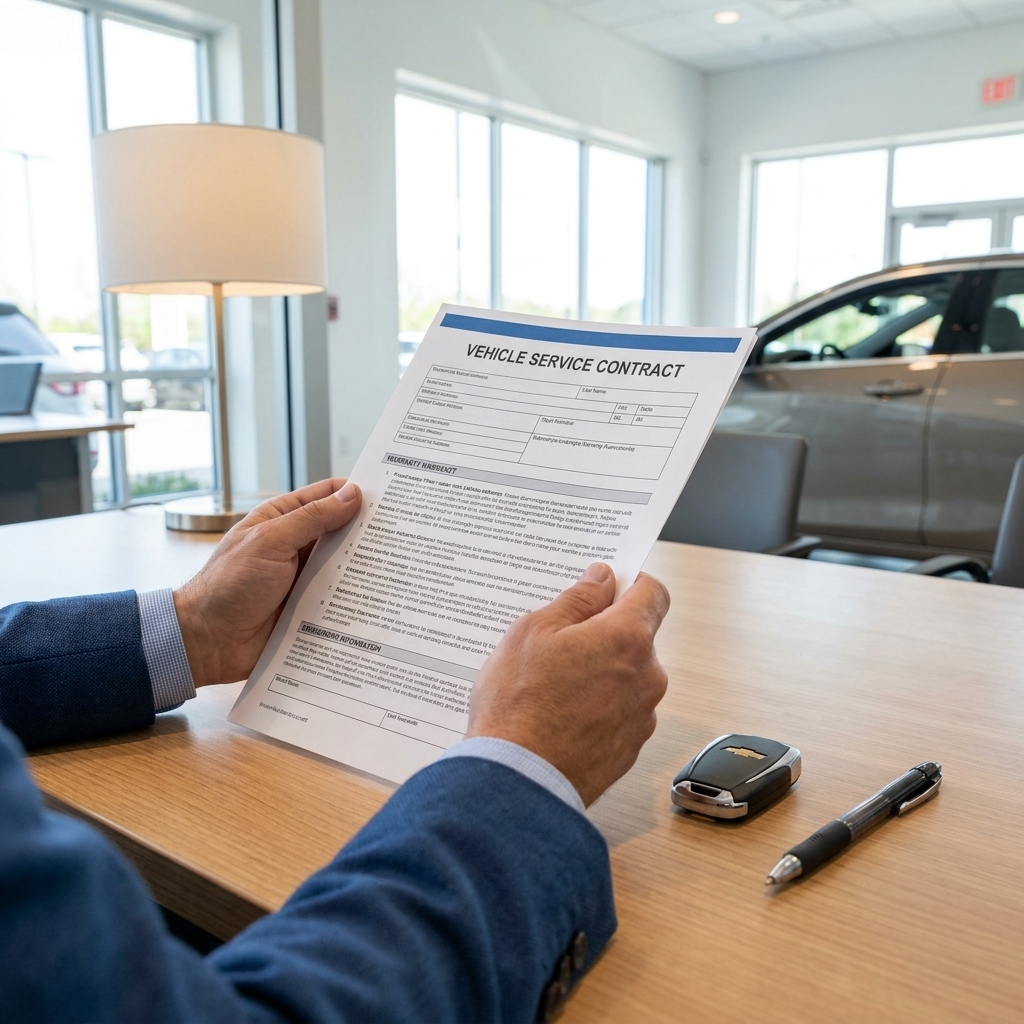
- Diagnostics: You may still pay diagnostic fees if the concern isn’t covered, no defect is found, or the problem falls into a gray area. Ask how diagnostics are handled before you sign.
- Electronics: Infotainment screens, driver-assistance sensors, cameras, and modules are expensive and can be covered differently depending on program language.
Modern cars are packed with tech. If you’re buying something with a panoramic roof, adaptive dampers, air suspension, or lots of cameras and radar sensors, warranty coverage can be the difference between a minor headache and a four-figure repair bill.
How much extra does CPO cost?
There’s no universal “right” premium because it depends on brand, model demand, and how generous the warranty is. In the real world, the premium often comes from three buckets:
- Certification costs: Dealers often pay program-related costs and almost always incur required reconditioning costs to meet the automaker’s standards.
- Warranty value: Better coverage typically commands a higher price.
- Market pricing: Some models simply sell quickly, CPO or not, and dealers price accordingly.
As a rule of thumb, I start getting skeptical when the CPO version is priced so close to a new car (or a lightly used non-CPO with plenty of factory warranty left) that the math stops working.
A quick math check
- Compare the CPO car to two alternatives: a similar non-CPO used car and a similar brand-new car.
- Price out equivalent coverage on the non-CPO option (maybe you buy a reputable service contract, maybe you just keep cash set aside).
- Estimate near-term wear costs: tires, brakes, battery, and major services due by mileage.
Example: if CPO costs $1,500 more and it realistically saves you from buying a $2,000 to $3,000 service contract while also filtering out the rougher examples, that premium can be easy to justify. If it costs $3,500 more and the added coverage is basically powertrain-only with a deductible, you should slow down.
When CPO is worth it
In my experience, CPO makes the most sense in these situations:
Newer car, lots of tech
Advanced safety systems, complex infotainment, turbocharged engines, and hybrid components can be reliable, but repairs can get pricey fast. Warranty coverage is real value here.
You will keep it
If you are going to sell in 12 months, you may not capture much benefit. If you’re keeping it through the coverage period, you have more time for the warranty to pay you back.
You want lower risk
CPO is often a sweet spot for drivers who want a more predictable ownership experience but do not want the depreciation hit of brand-new.
You want the easy lane
There’s no shame in paying for confidence. If CPO helps you avoid buying a neglected vehicle, it can be money well spent.
When CPO is not worth it
CPO is not automatically the best move. Here’s when I tell friends to slow down and run the numbers harder.
High premium, thin coverage
Some programs look great on paper but provide limited comprehensive coverage, short terms, or higher deductibles. If you’re paying thousands extra for a warranty that does not cover the stuff most likely to hurt your wallet, that’s not value.
Plenty of factory warranty left
If you’re shopping a 1 to 2 year old vehicle, the original new-car warranty may still be in full effect. In that case, a non-CPO car with a clean history and a pre-purchase inspection can be a better deal.
Simple car, cheap fixes
For a straightforward vehicle with a strong reliability record and low repair costs, CPO can be overkill. Spending the premium on preventive maintenance or keeping it in savings can be smarter.
No documentation
If the dealer won’t show you the inspection sheet, won’t explain deductible details, or won’t provide the full warranty booklet, treat that like a warning light on the dash.
What to ask before paying
These questions cut through the sales pitch fast.
- Can I see the full CPO warranty booklet? Not a summary, the full terms.
- What is the deductible, and is it per visit or per repair?
- When does the warranty clock start? Original in-service date or CPO purchase date, and what ends it, time, miles, or both.
- Is the CPO warranty transferable? If you sell it later, does coverage transfer, and is there a fee or paperwork deadline?
- Can you print the inspection checklist and the reconditioning repair order?
- Are tires and brakes above a minimum spec? Ask for actual tread depth and pad measurements.
- Is the vehicle history report clean? Look for prior damage, mileage anomalies, airbag deployment, or branded titles.
- Any open recalls? Confirm they are completed before delivery.
- How many keys are included? Replacing modern smart keys can be expensive.

Should you get a PPI?
If the dealer allows it, yes, I still recommend an independent pre-purchase inspection (PPI), even on CPO. Think of CPO as a baseline standard, not a promise of perfection.
An independent shop may catch things that fall into gray areas like beginning oil seepage, uneven tire wear hinting at alignment issues, minor accident repair quality, or early warning signs like a weak battery or abnormal scan data. Even if the issues are not deal-breakers, they give you leverage to negotiate or request corrections.
CPO vs used plus warranty
Some shoppers skip CPO and buy a non-certified used car, then add a service contract. That can work, but you have to compare apples to apples.
Why CPO can be better
- Coverage is typically backed by the automaker, not a third-party administrator.
- Repairs are usually straightforward at franchised dealers.
- Program requirements often screen out the roughest vehicles.
Why used plus warranty can be better
- You may start with a lower purchase price.
- You can choose the coverage term and deductible that fits you.
- You might find a better-maintained example from a private seller or a non-brand dealer.
If you go the service contract route, read the contract like you read a lease. Coverage lists, exclusions, claim limits, and required maintenance rules determine whether it’s protection or frustration.
Financing can change the deal
One more angle people miss: CPO sometimes qualifies for manufacturer promo APRs or stronger lender terms than a non-CPO used car. It is not guaranteed and it varies by brand and credit profile, but it can swing your total cost. If the CPO car is a little more expensive but the rate is meaningfully lower, the monthly payment and total interest can make the CPO version the better buy.
Eligibility and history rules
Most manufacturer programs have eligibility rules beyond mileage and age. Many exclude branded titles, salvage or flood history, lemon buybacks, and structural or frame damage. Accident history is where it gets messy: some programs exclude certain events (like airbag deployment), some rely on severity thresholds, and some lean heavily on what shows up in the history report. Bottom line: read the report and inspect the car, even if the window says certified.
My bottom line
If you want the quick, practical decision rule, here it is:
- Buy CPO if the price premium is reasonable, the warranty is meaningful (not just powertrain), and the car’s history and condition are clean.
- Skip CPO if the premium is high, the vehicle still has lots of factory warranty left, or you can get a comparable non-CPO car and protect it with a strong inspection and smart budgeting.
CPO is not a scam, and it’s not magic. It’s a product. When it’s priced fairly, it can be one of the least stressful ways to buy used.
Quick FAQ
Are CPO cars more reliable?
Not automatically. They are usually newer, lower-mileage, and screened more than random used cars, which helps. But reliability still depends on the model, maintenance history, and how the vehicle was treated.
Can you negotiate a CPO price?
Yes. CPO cars are often priced more firmly, but negotiation is still on the table, especially if you have comparable listings, you find wear items nearing replacement, or the car has been on the lot for a while.
Does CPO mean no accidents?
Not always. Many programs limit the severity of prior damage, but some CPO vehicles can have accident history. Always read the vehicle history report and inspect for signs of repair.
Is CPO better than buying new?
If the CPO discount versus new is substantial and the warranty coverage is strong, CPO can be the better value. If the CPO car is priced too close to new, buying new can make more sense due to full warranty and better financing incentives.