Learn how to drive on snow and ice with confidence: black ice recovery, correct braking methods with and without ABS, smart traction tips, and the emergency ...
Highways feel simple until they don’t. Speeds are higher, mistakes happen faster, and a small lapse in attention can turn into a chain-reaction crash in seconds. Defensive driving on the highway is not about being timid. It is about building time and space so you can react calmly when someone else does something unpredictable.
After years in the shop seeing the aftermath of highway hits and a lot of test miles behind the wheel, I can tell you the biggest safety upgrade is usually free: better habits. What follows is general guidance. Always follow local laws and adjust for your vehicle, your tires, and the conditions in front of you.
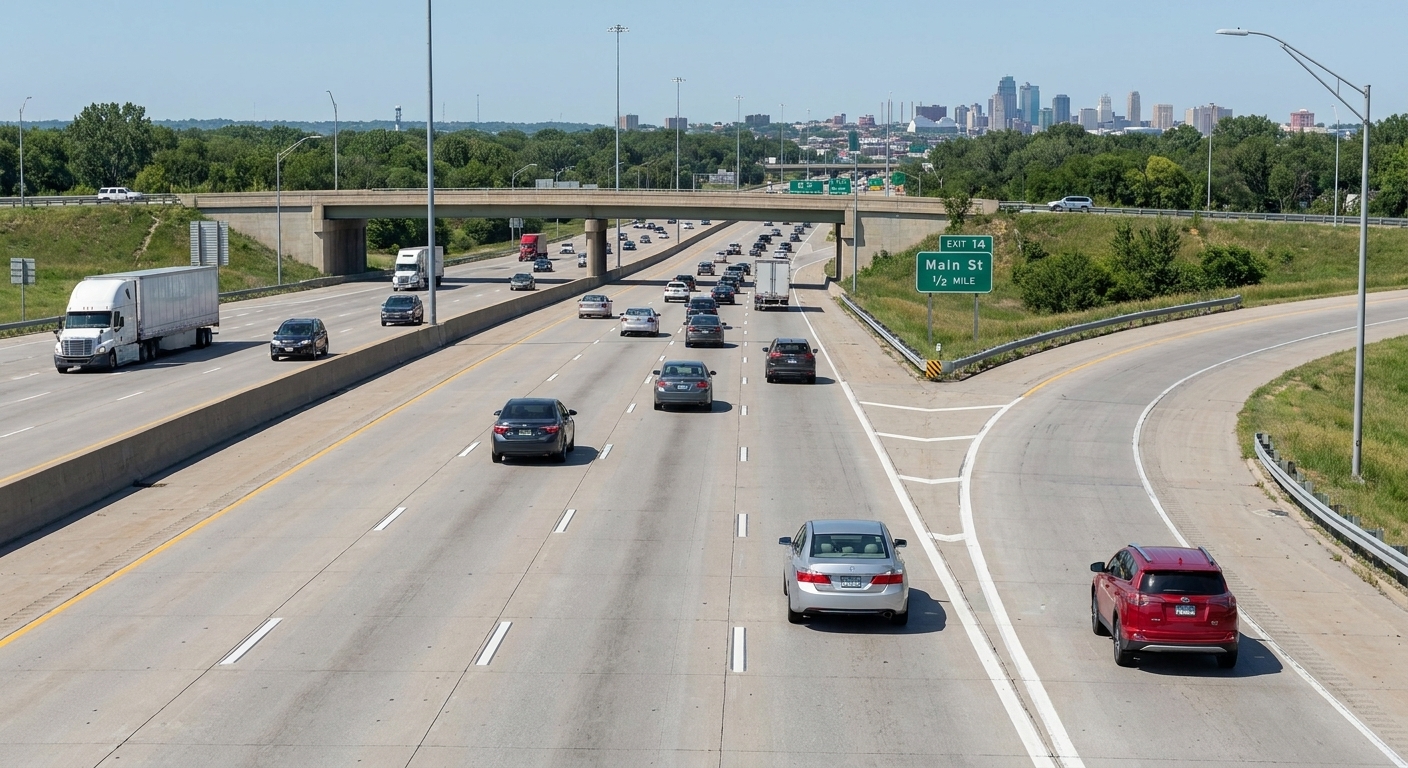
Think in time and space
At 70 mph you cover about 100 to 103 feet per second. That means you do not “see a problem and then decide” with lots of room to spare. You either already have a buffer, or you are forced into a rushed decision.
- Time is your reaction window. More time means fewer panic moves.
- Space is your escape room. Space in front, to the sides, and behind gives you options.
Defensive driving is basically the art of constantly creating and protecting those buffers, even when traffic gets messy.
Following distance matters most
If you only adopt one habit from this whole article, make it this: leave more room than you think you need.
Use 3 seconds as a baseline
Pick a fixed point ahead like a signpost. When the car in front passes it, start counting: “one thousand one, one thousand two, one thousand three.” If you reach the point before you finish, you are too close.
Some safety groups teach 4 seconds as a baseline at highway speeds. Either way, the principle is the same: more time buys you calmer choices.
Go longer when conditions are worse
- Rain: 4 to 6 seconds. Water reduces grip and increases stopping distance.
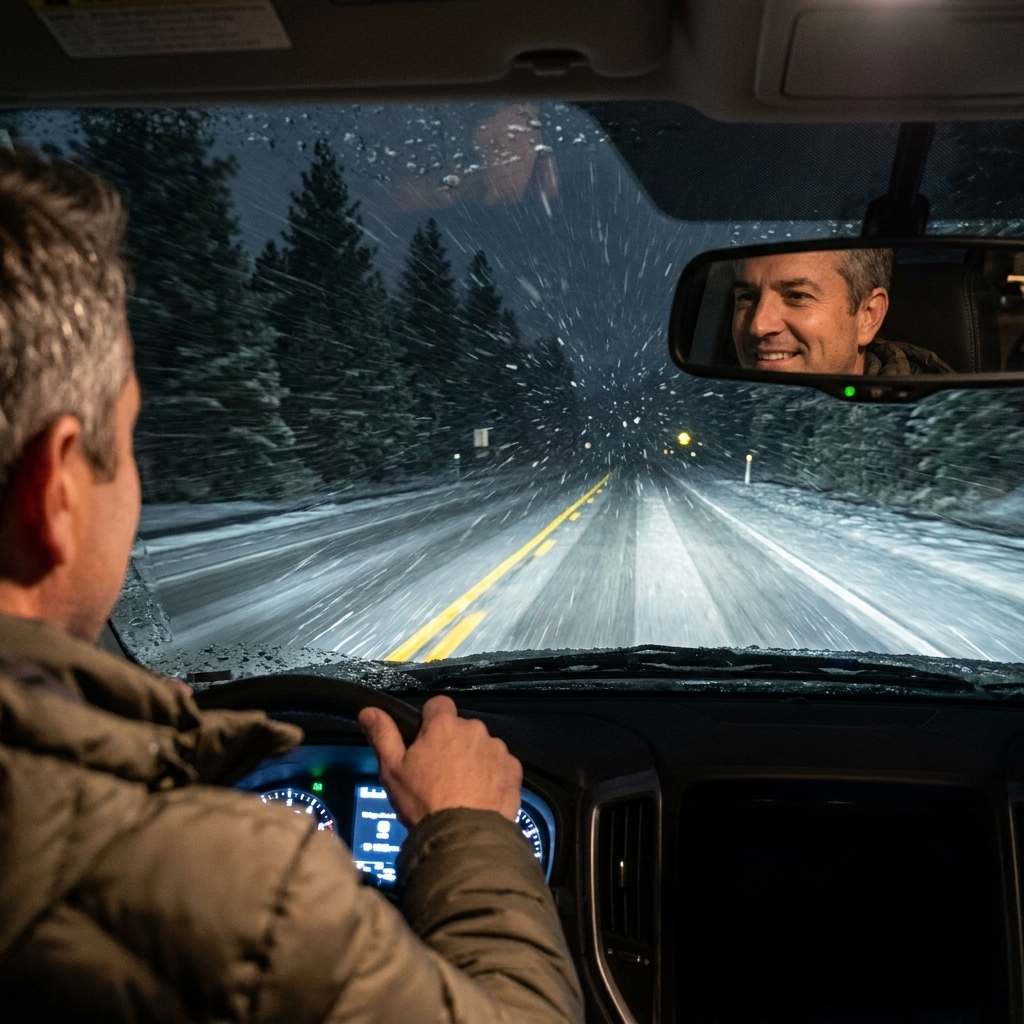
- Snow or ice: 8 to 12 seconds if traffic allows. More if visibility or traction is poor.
- Night driving: add at least 1 extra second. Your eyes get less usable information.
- Tailgater behind you: increase your gap ahead so you can brake gently instead of suddenly.
Yes, someone may slide into the gap. Let them. The goal is not to defend your lane position. The goal is to arrive without a reportable incident.
Scan 10 to 15 seconds ahead
Most highway crashes start with a surprise. Defensive driving is how you make fewer things surprising.
Keep your eyes moving
- Far ahead: look through the car in front of you to the flow of traffic beyond it.
- Mirrors: quick checks every 5 to 8 seconds (more often in heavy traffic).
- Sides: watch on-ramps, off-ramps, and cars creeping toward lane lines.
Early warning signs
- Brake lights rippling several cars ahead
- A pack of vehicles bunched up with tiny gaps
- Drivers weaving lane-to-lane to “make progress”
- A car drifting within its lane (possible phone use or fatigue)
- Large trucks passing each other slowly (traffic compression)
When you spot these, your move is usually simple: ease off the throttle early, increase your following distance, and position yourself so you have an out.
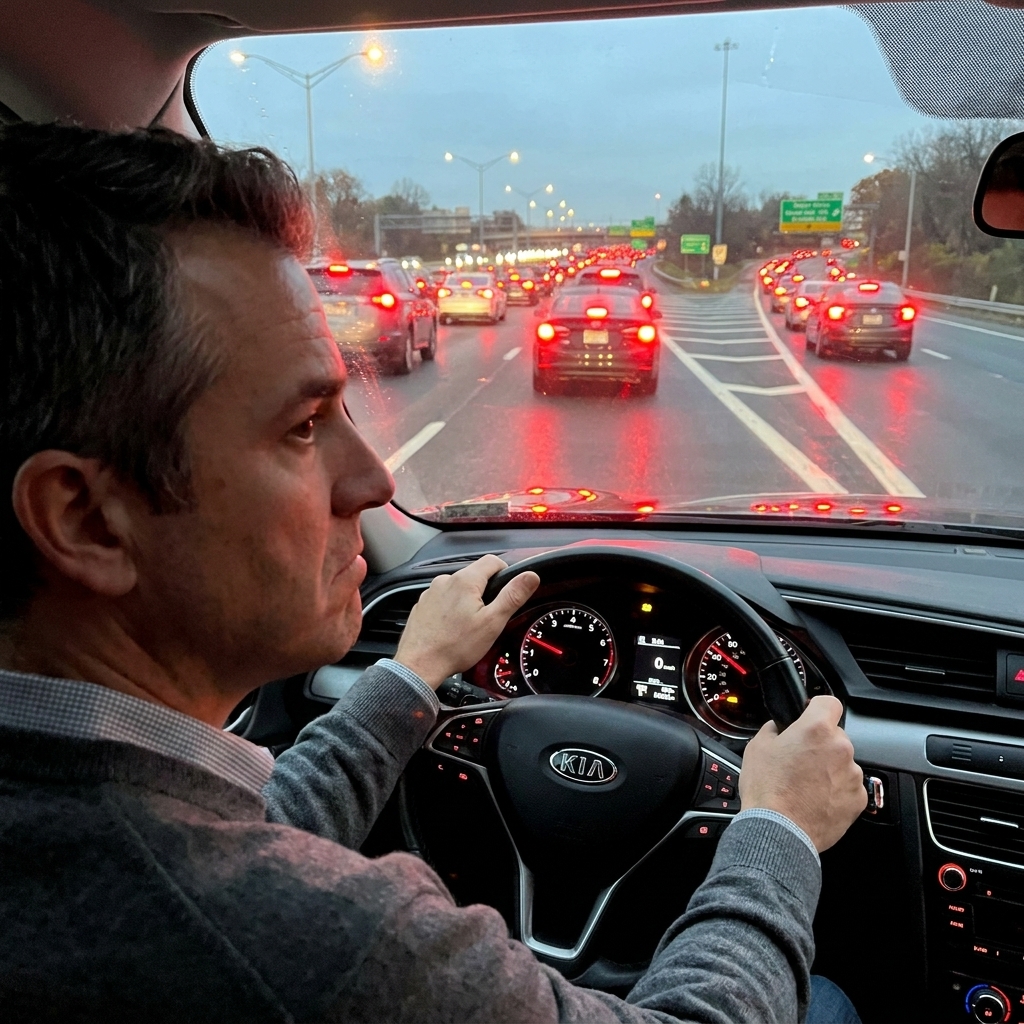
Blind spots are traps
On the highway, blind spots are where crashes hide. You cannot control whether other drivers check theirs, but you can control where you sit relative to them.
Set mirrors to reduce overlap
A quick DIY tip: if you can see the side of your own car in your side mirror during normal driving, your mirror is often aimed too far inward. The goal is to reduce overlap between your center mirror and side mirrors, so a car moves from one view to the next instead of disappearing in between. Your seating position and vehicle shape matter here, so treat this as a starting point and adjust until lane changes feel clearer.
Do not live in someone else’s blind spot
- Do not camp next to another car, especially near their rear quarter.
- Pass with purpose: signal, check mirrors, shoulder check, move over smoothly, and complete the pass.
- Back off from big trucks: if you cannot see the truck’s mirrors, assume the driver cannot see you.
Shoulder check anyway
Modern blind-spot monitors are helpful, but rain, sun glare, dirty sensors, and fast-approaching motorcycles can fool them. A quick shoulder check is still your best last line of defense.
Pick the safest lane
Lane choice is a risk management decision. The safest place is usually where you have the most space and the fewest conflicts.
Practical lane strategy
- Right lane: most merging and exiting conflicts. Good for steady cruising when ramps are spaced out.
- Middle lanes: often the best balance, with escape routes left or right.
- Left lane: more speed differences, more aggressive behavior, and more sudden braking when someone is blocking.
If you are in the left lane and not actively passing, move over when safe. It lowers your stress and reduces the chance of an aggressive driver doing something reckless to get around you.
Keep an escape route
I teach drivers to always know their best escape route. Not later. Right now. In the shop, and when I am coaching newer drivers, this is the habit that prevents panic.
Ask yourself three questions
- What is in front of me? How much stopping room do I have?
- What is beside me? Is there a clear lane to move into if needed?
- What is behind me? Is someone tailgating or approaching fast?
Keep at least one out open
Try not to get boxed in by vehicles on both sides with a short gap ahead. If you are surrounded, adjust speed slightly to create room so you can change lanes if debris appears or traffic stops hard.
Merging without drama
Merges are where polite drivers get punished and aggressive drivers create near-misses. The defensive approach is to be predictable and give yourself time.
If you are merging onto the highway
- Match speed early: use the full length of the ramp to get up to traffic speed.
- Signal early and look for a gap, not a “spot.” A real gap has room in front and behind.
- Avoid stopping on the ramp unless traffic is fully stopped. A stopped merge at highway speed is dangerous.
If you are already on the highway near an on-ramp
- Pick a plan: either change lanes away from the ramp if safe, or adjust speed slightly to open a gap.
- Do not race the merger: small ego moves cause big crashes.
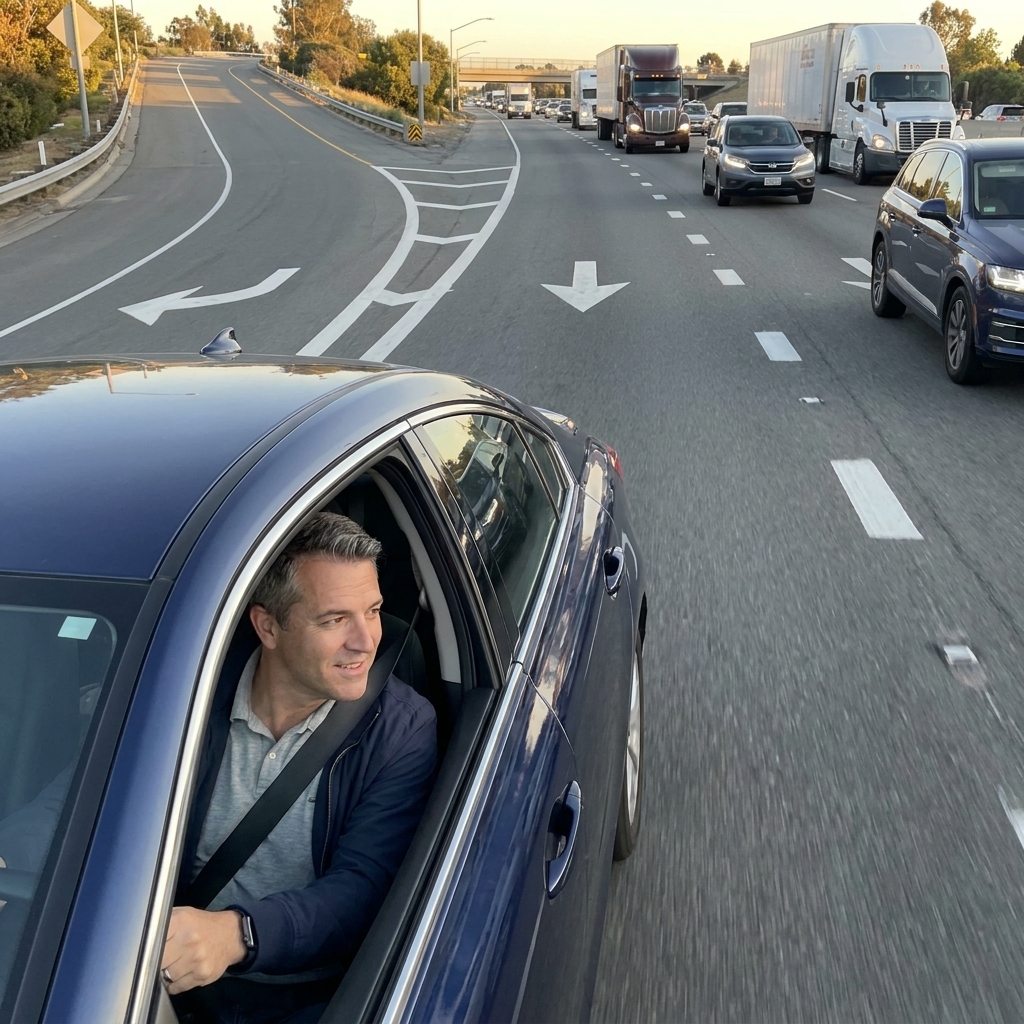
Aggressive drivers
Aggressive drivers want an audience or an opponent. Do not be either.
When someone tailgates you
- Stay calm and steady: avoid brake-checking. It escalates and can cause a rear-end crash.
- Increase your following distance: this lets you slow gradually if traffic changes.
- Move right when safe: let them go. Your goal is separation.
When someone cuts you off
- Lift, do not lunge: ease off the throttle to rebuild your cushion.
- Check mirrors before changing lanes. The second crash is often worse than the first close call.
If road rage escalates
If someone is trying to intimidate you, do not stop to confront them. Keep doors locked, give space, and head toward a well-lit public place. If you feel threatened, call local authorities when it is safe to do so.
Braking at highway speed
On the highway, sudden inputs create chaos behind you. The defensive driver slows earlier and smoother whenever possible.
Make your slowing predictable
- Come off the gas early when you see compression ahead.
- Use your brake lights on purpose: if you need to slow, brake early enough that drivers behind you get warning. Avoid unnecessary taps that look like brake-checking.
- Brake progressively: start light, increase pressure as needed.
ABS and stability control
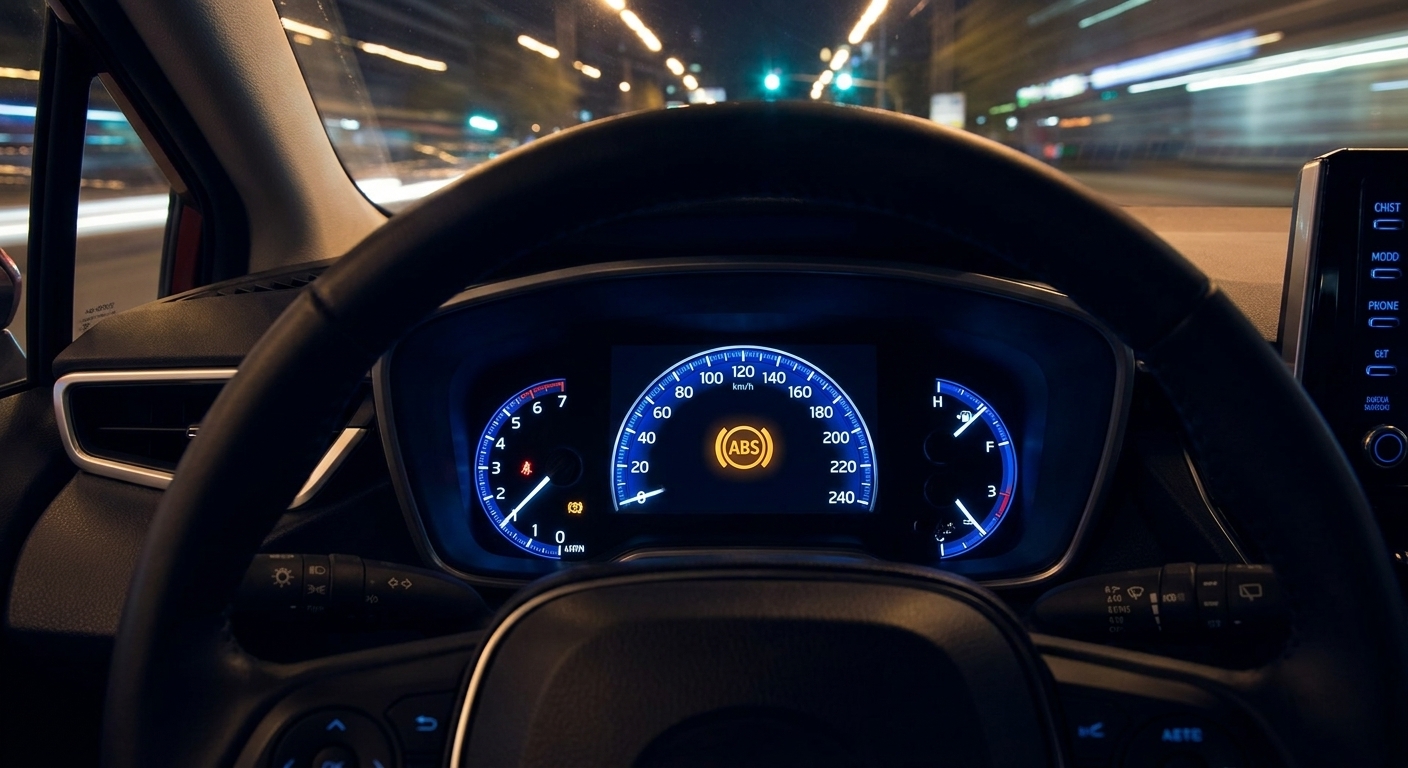
If you have to brake hard and your car has ABS, keep steady pressure on the brake pedal and steer where you want to go. Do not pump the brakes. If your stability control light flashes during an emergency maneuver, that is the system doing its job. Keep your inputs smooth and avoid jerking the wheel.
Trucks and buses
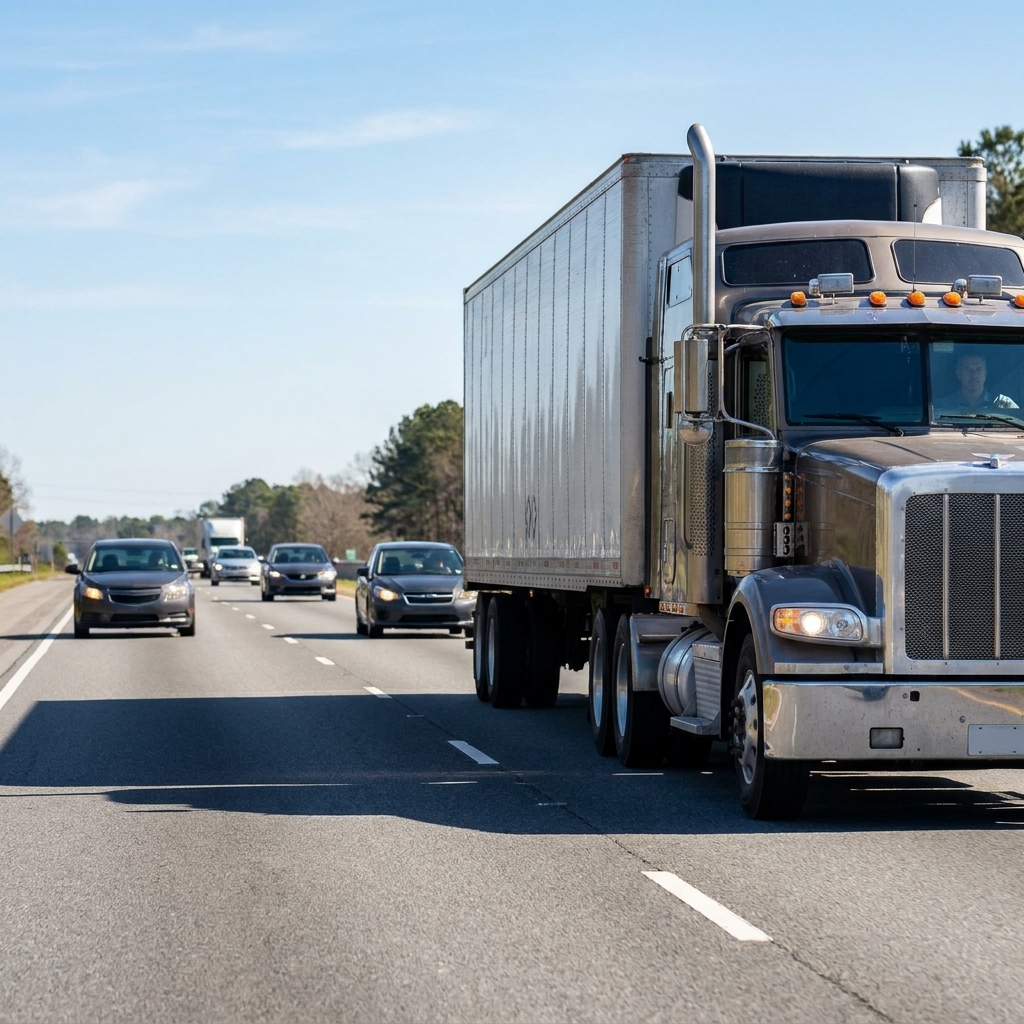
Heavy vehicles are not just bigger. They behave differently. They need more distance to stop, have larger blind spots, and can create strong air turbulence as you pass.
- Do not linger beside a trailer. Pass decisively and return only when you can see the entire front of the truck, including both headlights, in your mirror.
- Give extra following distance behind trucks. You will see hazards sooner and avoid rock chips.
- Expect wide turns near interchanges and ramps.
- Watch for tire debris: shredded tread is common and can be dangerous at speed.
Night, rain, glare, fog
Most drivers wait until conditions are uncomfortable to change their behavior. Defensive driving means you adjust early.
Night driving
- Clean your windshield inside and out to reduce glare.
- Dim your dash lights so your eyes can see farther down the road.
- Increase following distance and avoid staring at oncoming headlights.
Rain and standing water
- Slow down before you hit the wet patch.
- Avoid cruise control in heavy rain. This goes for basic cruise and most adaptive systems, since traction and sensor performance can be limited.
- Stay out of the tracks of vehicles throwing heavy spray if visibility is reduced.
Fog
- Use low beams, not high beams.
- Follow lane markings and reduce speed smoothly.
- If visibility is extremely poor, exit and wait it out somewhere safe.
Work zones and incident scenes
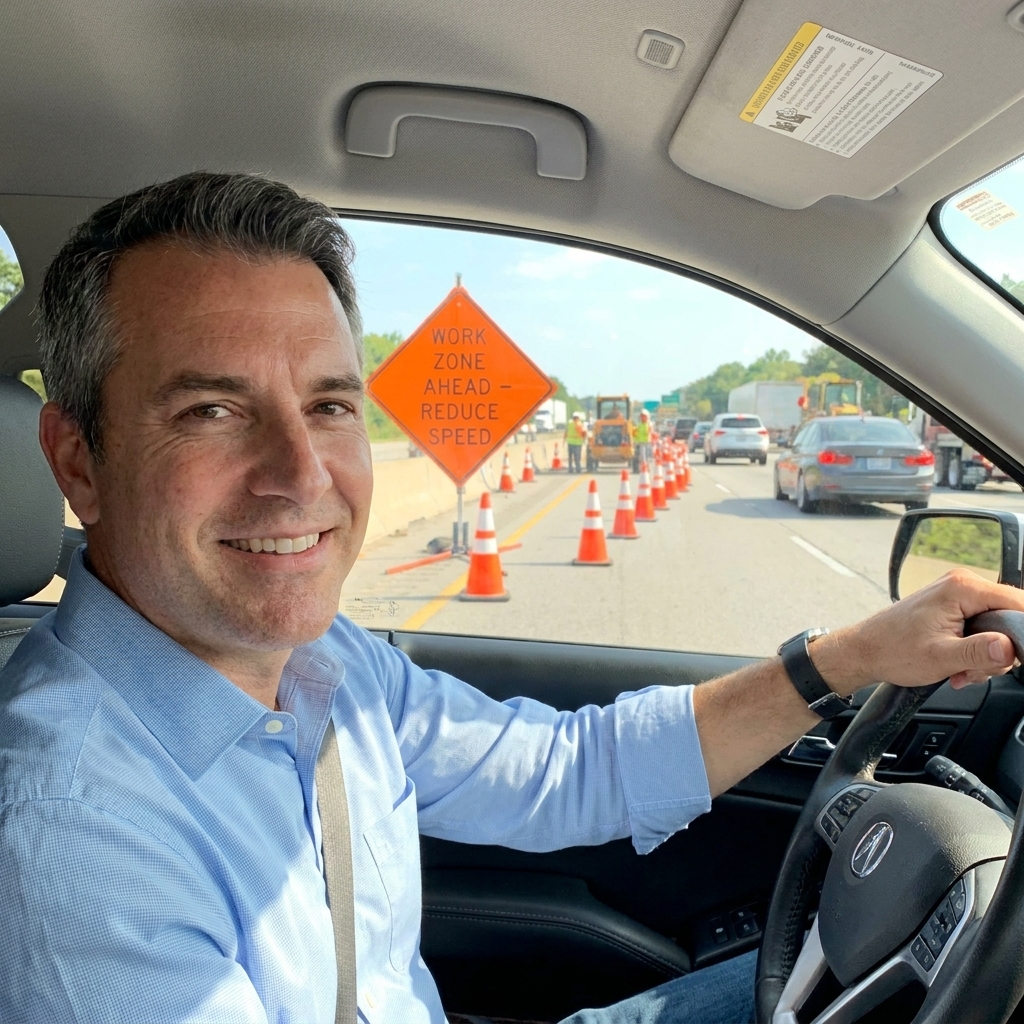
Work zones and fresh crash scenes are where “normal” highway rules break. Lanes shift, sight lines shrink, and drivers do unpredictable things while rubbernecking.
- Slow earlier than you think: sudden braking at the cones is how pileups start.
- Give crews space: move over if you can, and do not crowd barriers.
- Do not stare: keep your eyes on the path and your gap, not the wreck.
Distraction and last-second moves
The highway does not forgive divided attention. Set yourself up so you are not fighting your own car while traffic is doing 70.
- Handle the phone before you roll: navigation, playlists, texts, all of it. If it cannot wait, take the next exit and stop somewhere safe.
- Treat driver assists as assists: adaptive cruise and lane centering can reduce workload, but they are not a substitute for scanning and steering.
- No last-second exits: if you miss your off-ramp, take the next one. Cutting across multiple lanes is a classic crash starter.
Pre-trip habits
Defensive driving starts before you roll.
- Tires: check pressure monthly and before long trips. Underinflation increases heat and blowout risk at speed.
- Windshield and wipers: replace wipers that streak and top up washer fluid.
- Lights: make sure headlights and brake lights work. Being seen is a safety feature.
- Driver readiness: if you are drowsy, stop. Microsleeps on the highway are no joke.
Rules I live by
- Leave a 3-second gap minimum, longer when conditions are worse.
- Do not hang out in blind spots, especially near trucks.
- Scan far ahead and check mirrors often.
- Choose the lane with the fewest conflicts, not the biggest ego.
- When in doubt, create room. Room fixes a lot of problems.
FAQ
What is a safe following distance at 70 mph?
Use time, not feet. Three seconds is a solid baseline in good conditions. Many instructors prefer 4 seconds at highway speeds. In rain, bump it to 4 to 6 seconds. If you are towing, on worn tires, or driving in poor traction, go longer if traffic allows.
Is it safer to drive faster than traffic or slower than traffic?
Big speed differences increase risk. The safest place is usually flowing with traffic at a safe following distance, while leaving yourself an out. If traffic is significantly faster than you, stay to the right and be predictable.
Should I flash my headlights at a left-lane camper?
I avoid it. It can escalate or startle someone into a bad move. The defensive play is to maintain your cushion and pass safely when you can.
How do I avoid getting hit when traffic suddenly stops?
Scan far ahead for brake-light waves, leave a bigger gap, and slow early and smoothly. Also keep an eye in your mirror. If someone is coming in hot behind you, you may be able to change lanes or move toward a shoulder escape route before it becomes urgent.