A complete, mechanic-approved winterizing checklist: battery health, tire traction, correct fluids, wipers, lights, brakes, rust prevention, and a simple eme...
Winter driving is less about bravery and more about preparation and technique. Snow and ice take away traction, stretch your stopping distances, and punish sudden inputs. The good news is you do not need a lifted truck or a rally driver’s reflexes to stay safe. You need the right tires, a few trunk essentials, and a calm, repeatable way to brake, steer, and recover when the road gets slick.
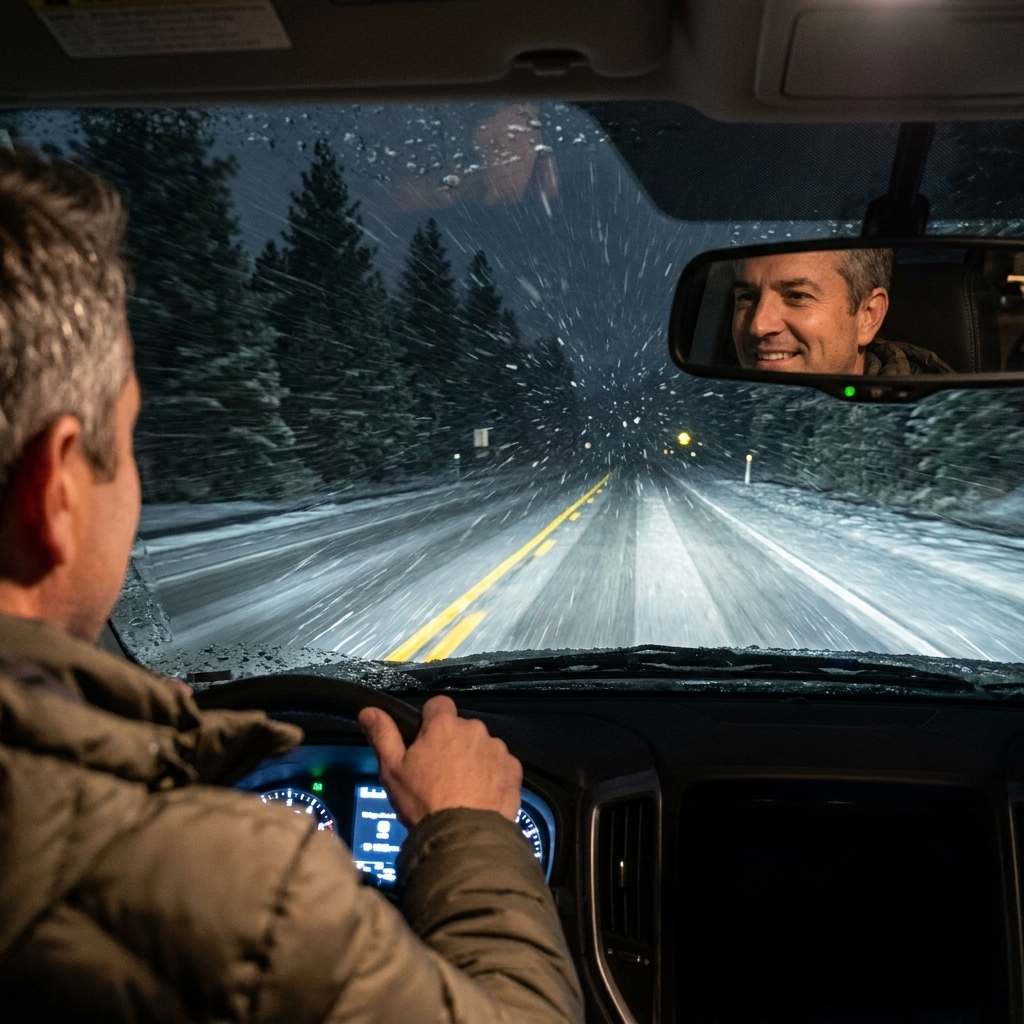
Know what you are fighting: traction, not horsepower
On dry pavement, your tires have plenty of grip to accelerate, brake, and turn at the same time. On snow and ice, that grip budget shrinks fast. If you ask your tires to do too much, they will slide. Safe winter driving is all about spending that traction budget wisely.
- Smooth beats fast. Gentle throttle, gentle steering, and early braking are your best tools.
- One big move at a time. Brake in a straight line, then turn. Avoid braking hard while turning.
- Space is safety. You cannot cheat physics, but you can give yourself room.
The biggest safety upgrade: the right tires
If you only change one thing for winter, make it your tires. I have watched “great in the snow” vehicles slide helplessly on worn all-seasons, and I have seen small front-wheel-drive cars behave beautifully on proper winter rubber.
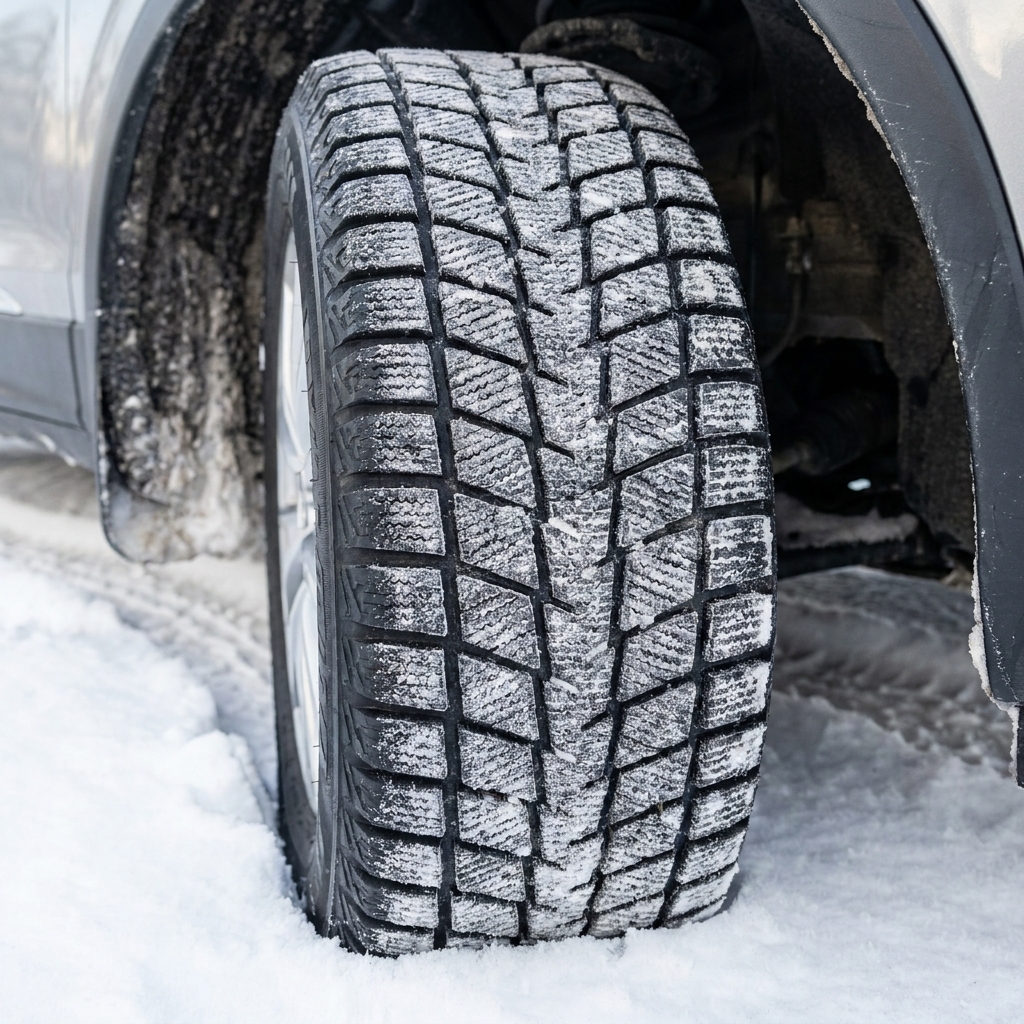
Winter tires vs all-season vs all-weather
- Winter tires: Best cold-weather grip. Softer compound stays flexible in freezing temperatures and the tread is designed to bite into snow. Ideal if your area regularly gets snowpack or icy mornings.
- All-season tires: A compromise tire. Some are decent in light snow, but performance drops sharply as temperatures fall and as tread wears.
- All-weather tires (3PMSF rated): A strong middle ground for many drivers. Look for the mountain snowflake symbol on the sidewall.
Quick tire checks before the first storm
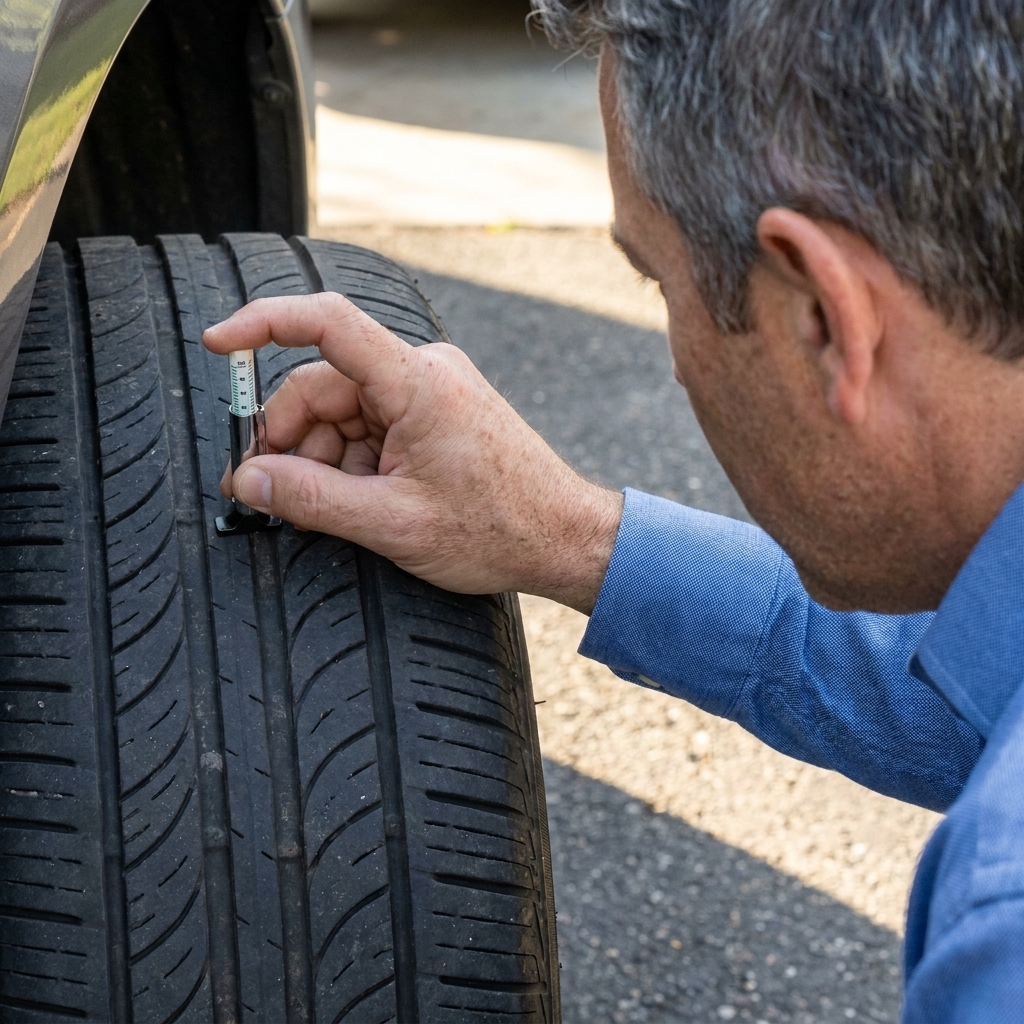
- Tread depth: More is better in winter. If you are close to the wear bars, snow performance will be poor.
- Pressure: Cold air drops tire pressure. Check monthly in winter and set pressures when tires are cold.
- Matching tires: Try to keep the same tire type and similar tread depth on all four corners for predictable handling.
Must-have winter emergency gear for your trunk
I like to think in two categories: gear that helps you avoid getting stuck, and gear that helps you stay safe if you do get stuck. Keep it in a tote so it is not sliding around.
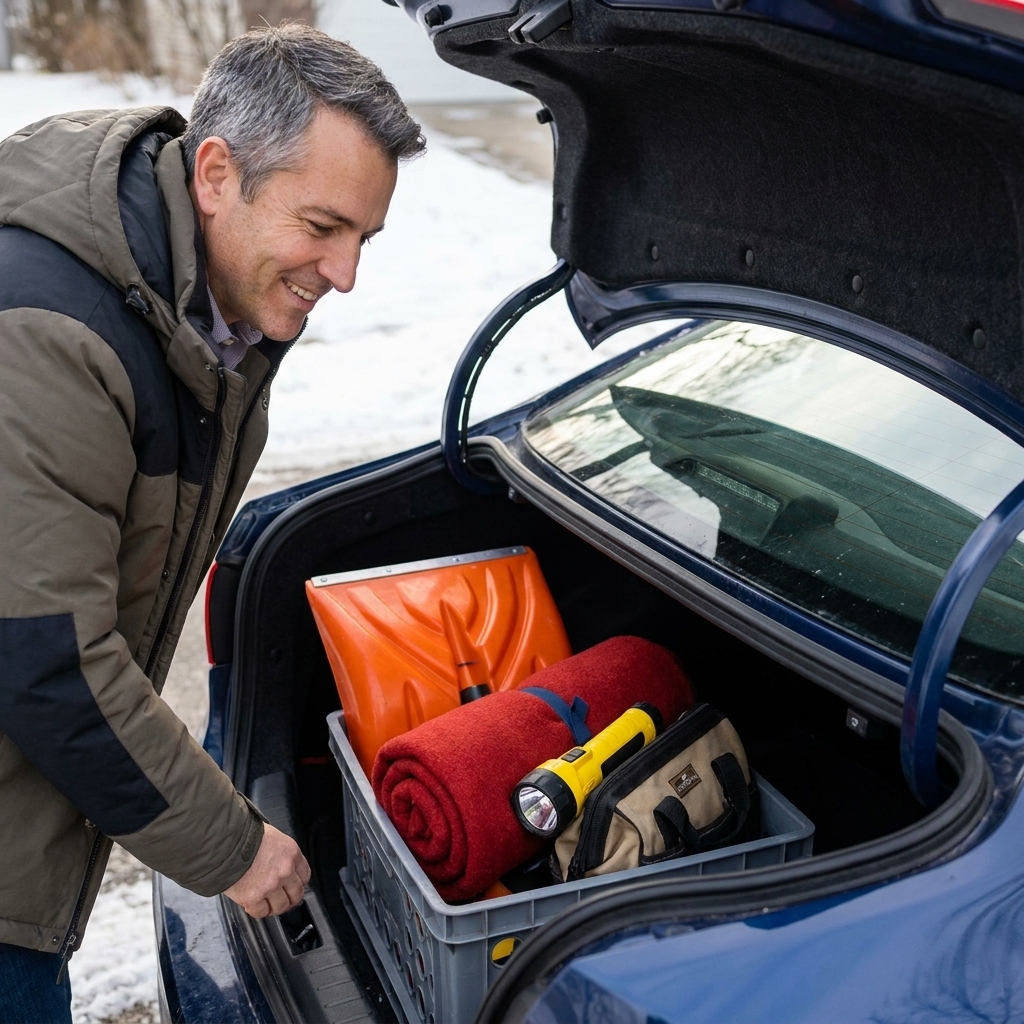
Traction and recovery essentials
- Snow shovel: A compact shovel beats trying to dig with your hands in freezing slush.
- Traction aids: Traction boards, a bag of sand, or road-safe traction grit for bite under the drive wheels. Cat litter can work in a pinch, but sand or grit is usually cleaner and more consistent.
- Jumper pack: Cold weather is hard on batteries. A quality lithium jump starter is often more convenient than waiting for a stranger with cables. Buy a reputable unit and follow the instructions.
- Tow strap: Only if you know proper tow points and procedure. Never attach to a bumper cover or suspension piece.
Visibility and communication
- Headlamp or flashlight: With extra batteries.
- Reflective triangles or flares: Especially if you drive rural roads or highways at night.
- Phone charger: A 12V charger and a cable that actually fits your phone.
Warmth and “wait it out” supplies
- Blanket or sleeping bag: A real insulating layer, not a thin throw.
- Warm gloves and hat: Keep a spare pair in the car, not just in your house.
- Hand warmers: Small, cheap, and very effective.
- Water and shelf-stable snacks: Enough for a few hours at minimum.
Smart extras most people forget
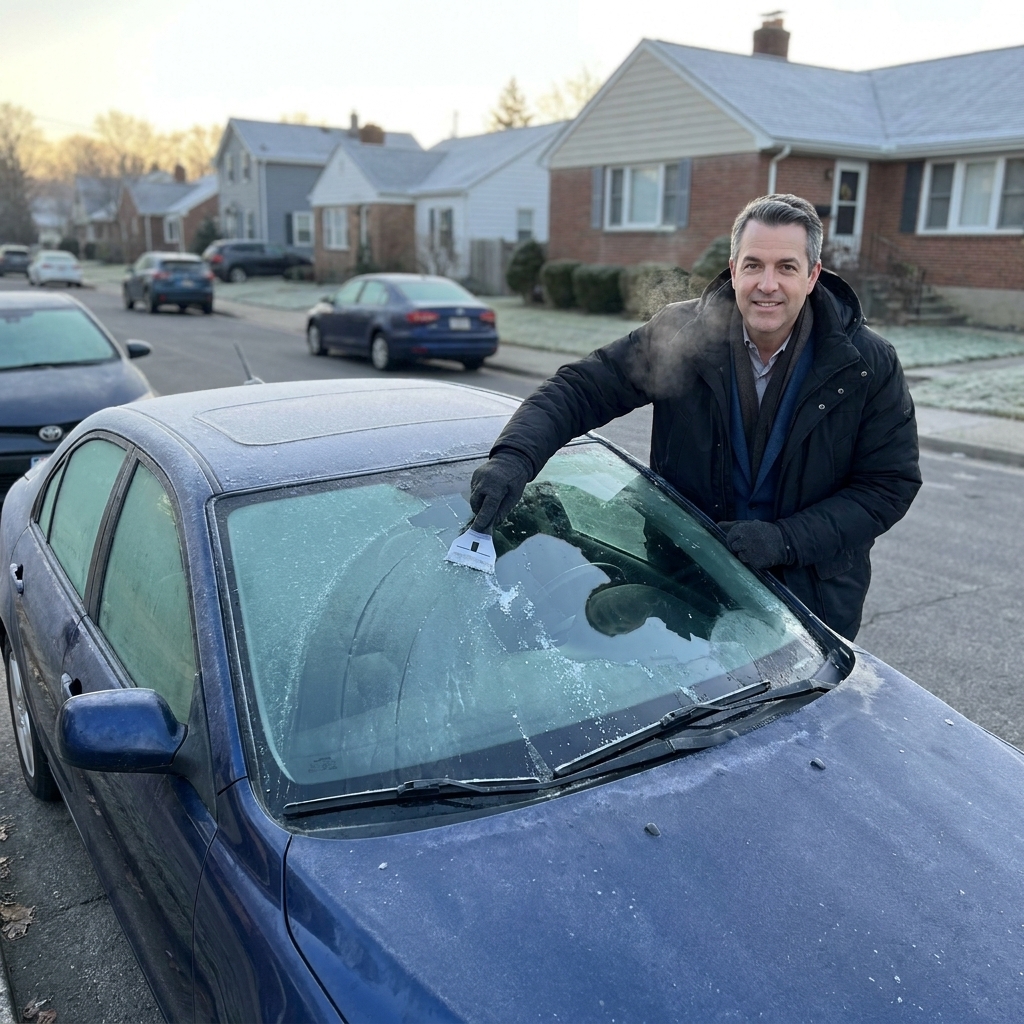
- Ice scraper with a brush: Clear the whole car, not just a porthole.
- Small first aid kit: Bandages, antiseptic wipes, and basic meds if you use them.
- Windshield washer fluid rated for freezing temperatures: Road salt film can make visibility terrible.
- Work gloves and a small tarp: Keeps your hands dry if you need to kneel or reach into slush.
Before you roll: quick winter prep checklist
Most winter “emergencies” are predictable. A 5-minute walk-around before a storm day saves a lot of drama later.
- Clear all windows, mirrors, headlights, and taillights. Snow left on your roof can slide forward and blind you under hard braking, or fly off and hit someone else.
- Top off washer fluid. Winter roads coat your windshield with gritty salt spray.
- Check wiper condition. Streaky wipers at night in snow are exhausting and dangerous.
- Run defrost and confirm airflow. Fogging happens fast when you bring wet boots and snow into a warm cabin.
- Quick fluid reality check: If you are due for service, do not ignore coolant and antifreeze strength. A cooling system that is marginal in fall can become a real problem in deep winter.
- Fuel level: Do not run near empty in bitter cold. Half a tank is a good rule when storms are active.
- Plan your route: Main roads get treated first. The “short cut” can be the road that never gets plowed.
Technique: braking the right way on snow and ice
In winter, your goal is not to brake harder. It is to brake earlier and more smoothly.
If your car has ABS (most modern cars)
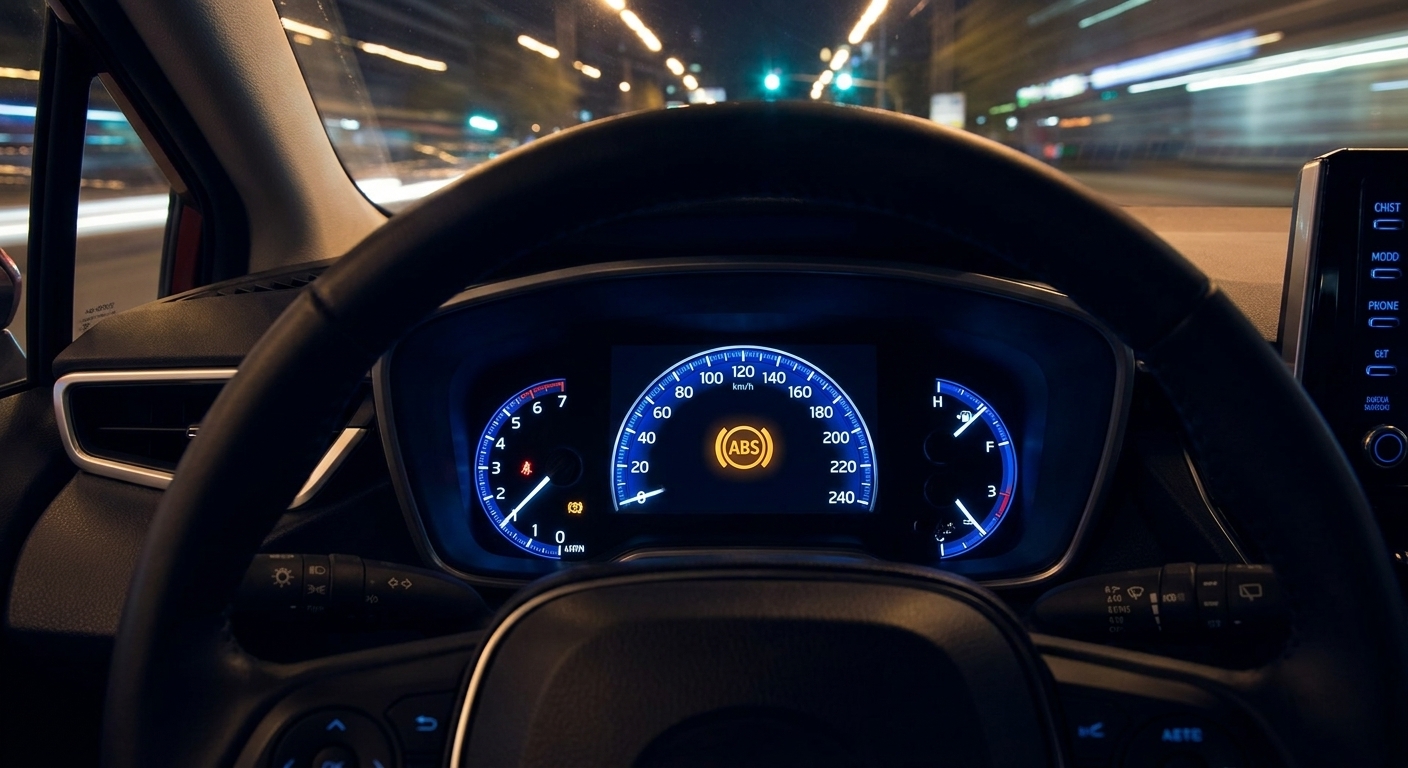
When you need maximum braking, press the brake firmly and steadily and let the system work. You will feel pulsing in the pedal. That is normal.
- Do: Keep steady pressure, look where you want to go, and steer around hazards if needed.
- Do not: Pump the brake pedal. ABS is already doing that faster than you can.
If your car does not have ABS
You need to avoid locking the wheels. Locked tires slide like hockey pucks.
- Use threshold braking: Squeeze the brakes until you are just short of lockup. If the wheels lock, ease off slightly until they roll again.
- Stay straight: Non-ABS cars can become unsteerable under hard braking if the front tires lock.
Following distance that actually works
On snow, aim for at least double your normal following distance. On ice, triple is a good starting point and you may need more depending on conditions. If that feels excessive, that is the point. You are buying time, not just space.
Black ice: how to spot it and how to recover
Black ice is thin, nearly invisible ice that blends into the pavement. It is common when temperatures hover near freezing, especially at night and early morning.
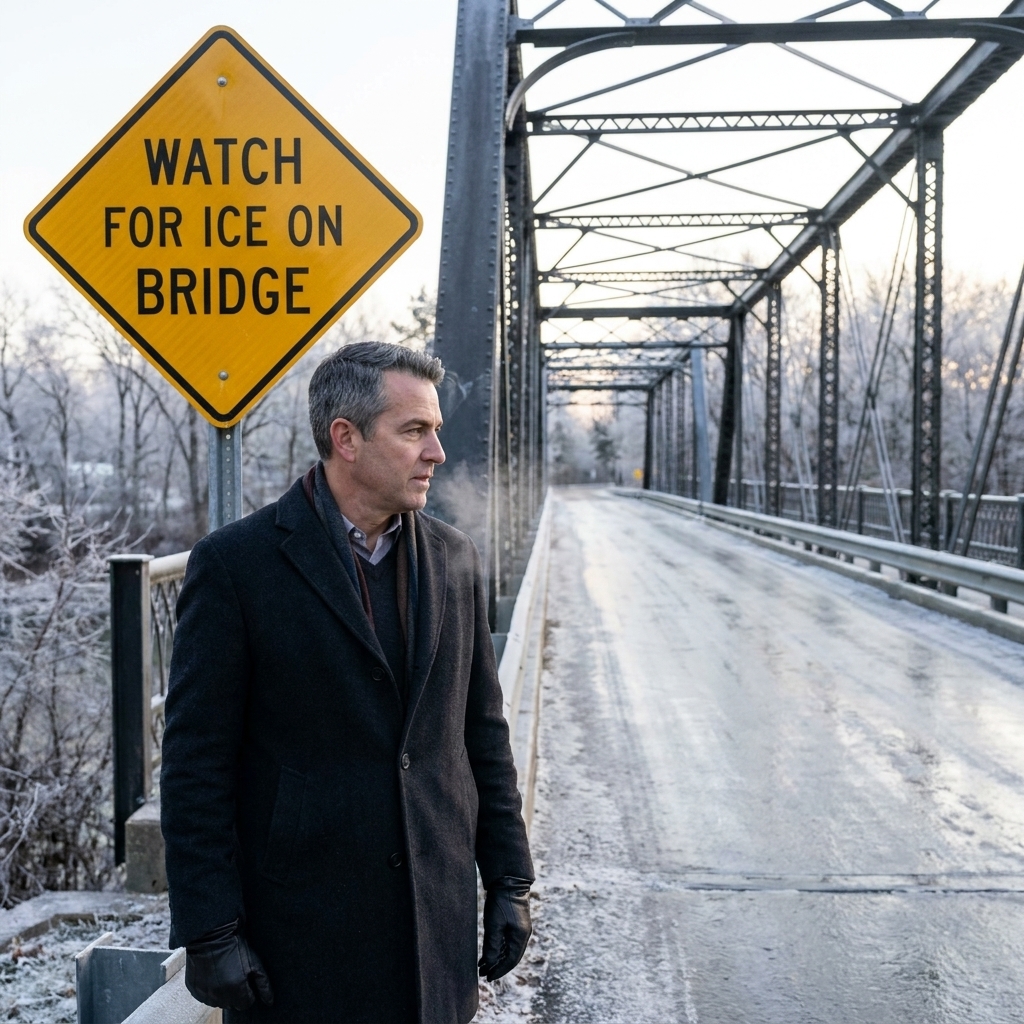
Where black ice hides
- Bridges and overpasses: They freeze first because cold air hits from above and below.
- Shaded areas: Tree cover and north-facing stretches can stay icy long after sunny spots melt.
- Near water: Rivers, lakes, and low spots can create localized freezing.
- Intersections: Compacted snow plus stop-and-go traffic can polish the surface into glare ice.
Clues you are on ice
- Steering suddenly feels light or vague.
- Your tires get quieter, like road noise disappears.
- The car does not slow the way you expect when you lift off the gas.
Recovery steps when you hit black ice
- Stay calm and look far ahead. Your hands tend to follow your eyes.
- Ease off the accelerator. Do not slam the brakes. Sudden braking can turn a small slide into a spin.
- Keep the wheel as straight as you can. Avoid abrupt inputs. Big steering changes reduce what little grip you have.
- If the rear starts to slide: Gently steer in the direction the rear is sliding to straighten the car. Small corrections only.
- When traction returns: The car may “grab” suddenly. Be ready to unwind the steering smoothly so you do not overcorrect.
If you have stability control, let it help. It can brake individual wheels to correct a skid. Your job is to keep inputs smooth and give it a chance to work.
Cornering and steering: slow in, gentle through, smooth out
The most common winter crash is not a dramatic spin. It is sliding wide in a turn because the driver carried too much speed.
- Brake before the turn: Slow down in a straight line, then release the brake and turn.
- Light throttle through the corner: A touch of steady power can help keep the car balanced, especially in front-wheel drive.
- Avoid sudden lane changes: Quick swerves can break traction and start a fishtail.
If you understeer (car plows straight)
- Ease off the throttle.
- Straighten the wheel slightly to let the front tires regain grip.
- Once it bites again, steer gently back toward your path.
If you oversteer (rear steps out)
- Look where you want to go, not at the ditch.
- Steer gently in the direction the rear is sliding.
- Ease off the throttle, and avoid stabbing the brakes.
Hill strategy: momentum without panic
Hills are where drivers get into trouble because they mix traction loss with gravity. The trick is planning ahead.
- Before the hill: Build a little momentum on flat ground, then hold steady throttle.
- Going up: If the wheels spin, ease off slightly. More gas usually makes it worse.
- Going down: Slow down before the descent. Use a lower gear if you can to let engine braking help, especially on long grades.
AWD and 4WD: what they help, and what they do not
All-wheel drive can help you get moving. Braking still depends on your tires and available traction. It also does not magically create cornering grip. I say this because I have pulled plenty of AWD vehicles out of snowbanks that they drove into with confidence.
- Helps: Pulling away from a stop, climbing moderate hills, maintaining traction when one tire is on a slick spot.
- Does not help: Shortening braking distances on slick surfaces, stopping on ice, turning too fast for conditions.
No matter what you drive, tires and speed choice are what determine winter safety.
If you get stuck: a step-by-step plan
Spinning your tires until you smell burning rubber is the fastest way to dig yourself deeper. When you stop making forward progress, switch tactics.
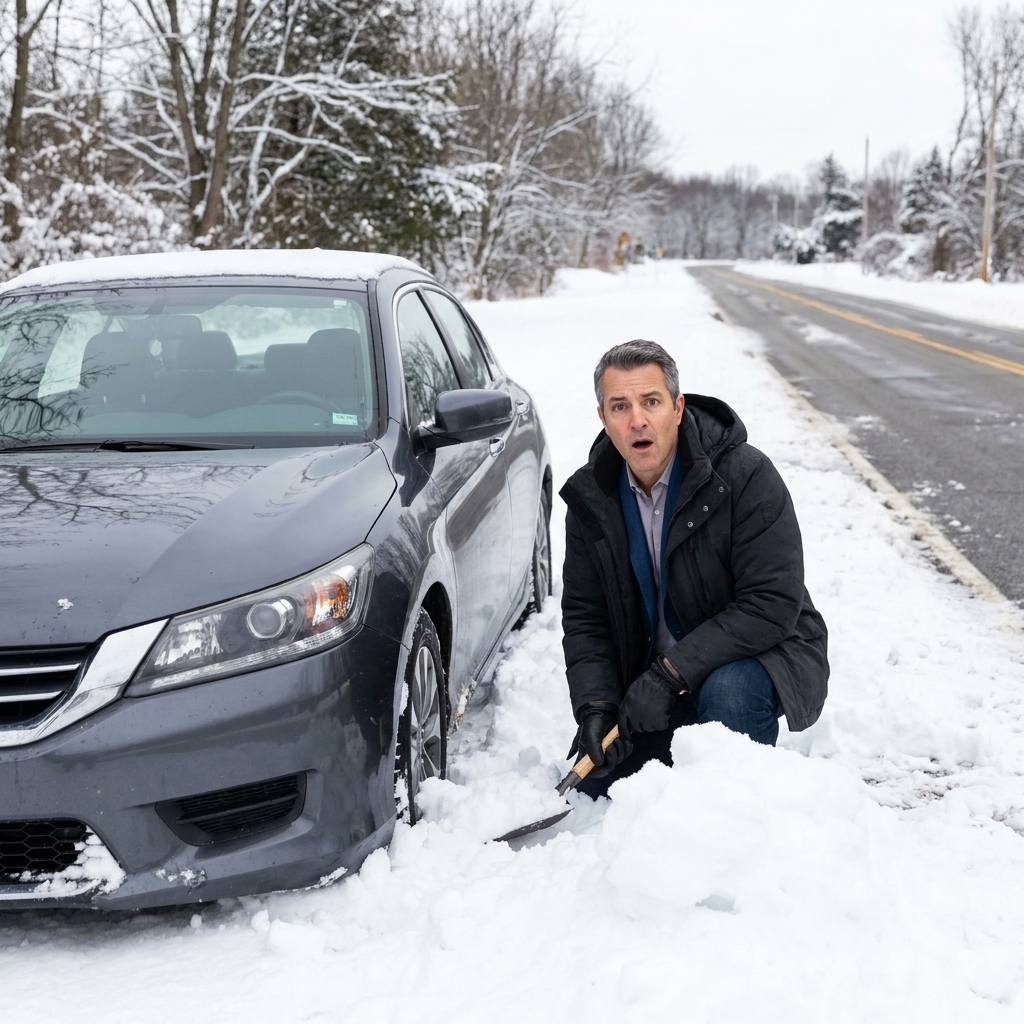
- Stop spinning. Put the car in park, take a breath, and assess.
- Clear the tires. Shovel snow away from the drive tires and under the front bumper.
- Straighten the wheels. Turning the steering wheel adds resistance.
- Add traction. Place sand, traction grit, or traction boards in front of the drive tires.
- Rock gently: If you have a little movement, go forward a few inches, then reverse a few inches. Do not slam between drive and reverse.
- Turn off traction control if needed: Some cars cut power when they sense wheelspin. If you need a little controlled spin to climb out, temporarily disabling traction control can help. Turn it back on once free.
If you are high-centered (hung up on packed snow under the car), rocking will not help much. You need to dig out the center and create a path for the tires.
If you slide off the road: what to do next
Your first job is to avoid becoming a second accident.
- Check for injuries and call for help if needed.
- Turn on hazards.
- Stay with the vehicle if it is safer than walking. In heavy snow, visibility drops and walking on a roadside can be dangerous.
- Use reflective triangles if you can place them safely. Do not stand in traffic lanes.
Running the engine for heat safely
- Make sure the tailpipe is clear. Snow can block it and push exhaust back under the car.
- Run the engine intermittently. Heat up the cabin, then shut it off to conserve fuel.
- Crack a window slightly if you are stuck in deep snow. Fresh airflow reduces the risk of exhaust buildup.
Quick winter driving habits that prevent most close calls
- Slow down before you think you need to. The road always gets slicker faster than you expect.
- Coast early. Lift off the gas sooner and let the car slow naturally.
- Be extra gentle at 32°F (0°C). That is the danger zone for invisible ice.
- Assume shaded pavement is worse. Even if the rest of the road looks fine.
- Be cautious with driver assists. Adaptive cruise, lane keeping, and automatic braking can struggle when cameras and radar are blocked by slush or lane markings disappear. In bad weather, simpler is often safer.
- Practice somewhere safe. An empty, snow-covered parking lot can teach you more in 10 minutes than a hundred tips. Keep it slow and far from light poles and curbs.
FAQ
Should I pump the brakes on snow?
If you have ABS, do not pump. Hold firm, steady pressure and let ABS pulse. If you do not have ABS, use threshold braking and ease off if you feel lockup.
Is it better to use “L” or a lower gear in winter?
On long downhill grades, a lower gear can help control speed without riding the brakes. It is not a substitute for slowing down early, and you still need to be gentle to avoid breaking traction.
Do chains or snow socks make sense?
If you travel mountain passes or areas where chains are required, yes. Practice installing them once in your driveway, because learning on the shoulder in a storm is miserable. Always follow your vehicle and chain manufacturer guidance on fitment and speed limits. Requirements and legality vary by state, province, and country.
What is the safest speed on icy roads?
The safest speed is the one that lets you stop and steer within the space you can see is clear. On glare ice, that may be far below the posted limit. If you are not confident you can stop, you are going too fast.
Bottom line
Winter driving gets safer when you treat traction like a limited resource. Equip the car with tires that can actually grip in the cold, carry a few simple recovery items, and drive like every input has to be earned. Do that, and snow days stop feeling like a gamble and start feeling manageable.