A complete, mechanic-approved winterizing checklist: battery health, tire traction, correct fluids, wipers, lights, brakes, rust prevention, and a simple eme...
AWD and 4WD get tossed around like they are the same thing. They are not. Both can help you get moving when the road turns slick or loose, but they do it in different ways, with different strengths and tradeoffs.
I have watched plenty of drivers buy the “tough” option and never use it, then complain about fuel economy and tire costs. I have also watched people show up with the “car” option and get stuck because they needed something more. Let’s break down what each system actually does, what it costs you, and how to pick the one that fits your real life.
Quick definitions
All-wheel drive (AWD)
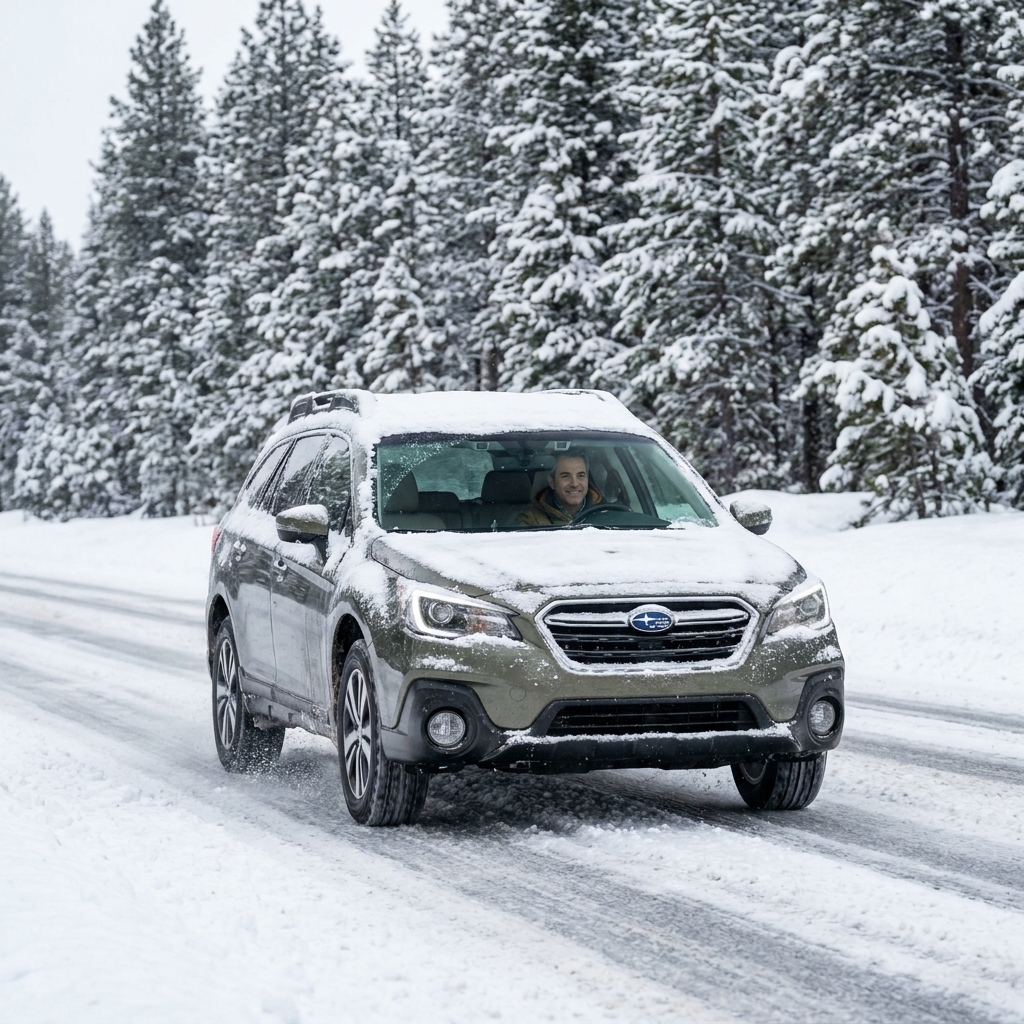
AWD is designed to send power to all four wheels automatically, with little or no driver input. Many AWD vehicles run primarily in two-wheel drive in normal cruising, then shift torque front to rear or side to side when traction drops. Some systems are full-time AWD and always drive all four wheels, often with a front or rear bias.
Four-wheel drive (4WD or 4x4)
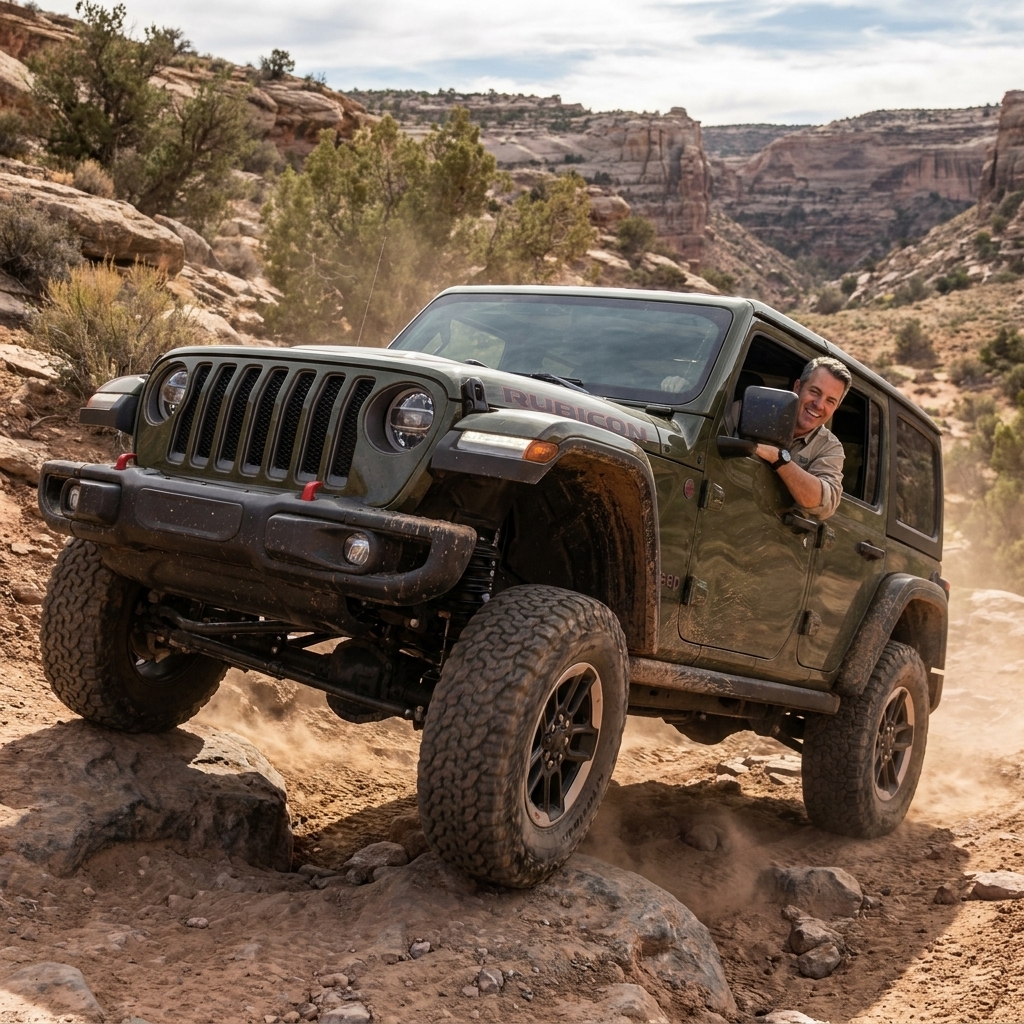
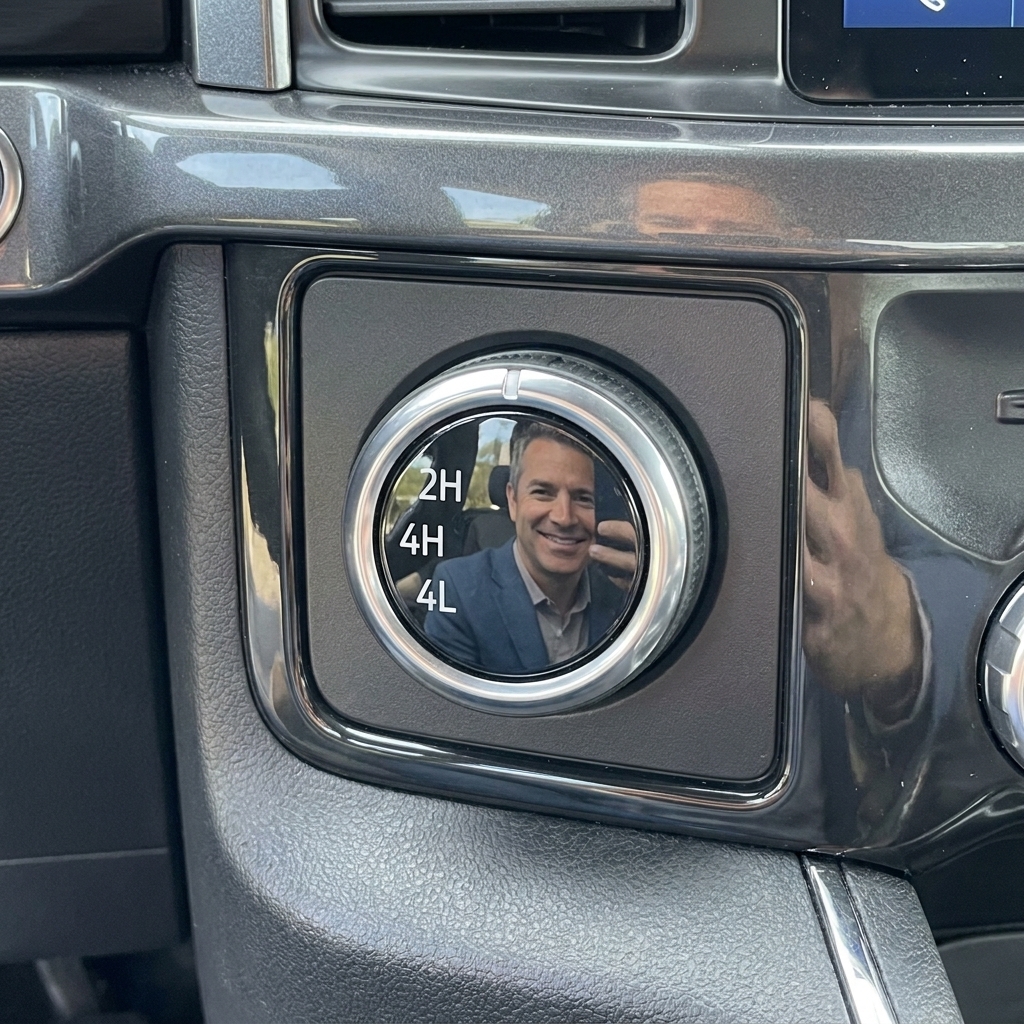
Traditional 4WD is built for low-traction situations and off-road use. Many 4WD vehicles let the driver choose modes like 2H (two-wheel drive high range), 4H (four-wheel drive high range), and 4L (four-wheel drive low range). The big differentiator is usually low range, which multiplies torque for slow, controlled crawling.
How AWD works
Most AWD systems use a center coupling to manage how much power goes to the front and rear axles. In everyday driving, the vehicle might behave like a front-wheel drive car or a rear-wheel drive car depending on its layout. When a wheel slips, the system can:
- Send more torque to the axle with grip using a center clutch pack or center differential.
- Apply brake-based traction control to a spinning wheel, which encourages torque to move to the opposite wheel with more grip.
AWD is great at “I did not expect that patch of ice” moments because it is usually seamless. Just remember system design varies. Some are reactive and wait for slip, while others can pre-load torque based on sensors.
What AWD is not: a magic button for stopping or cornering on ice. It helps you get moving and maintain momentum. Tires and sensible speed still do the heavy lifting.
How 4WD works
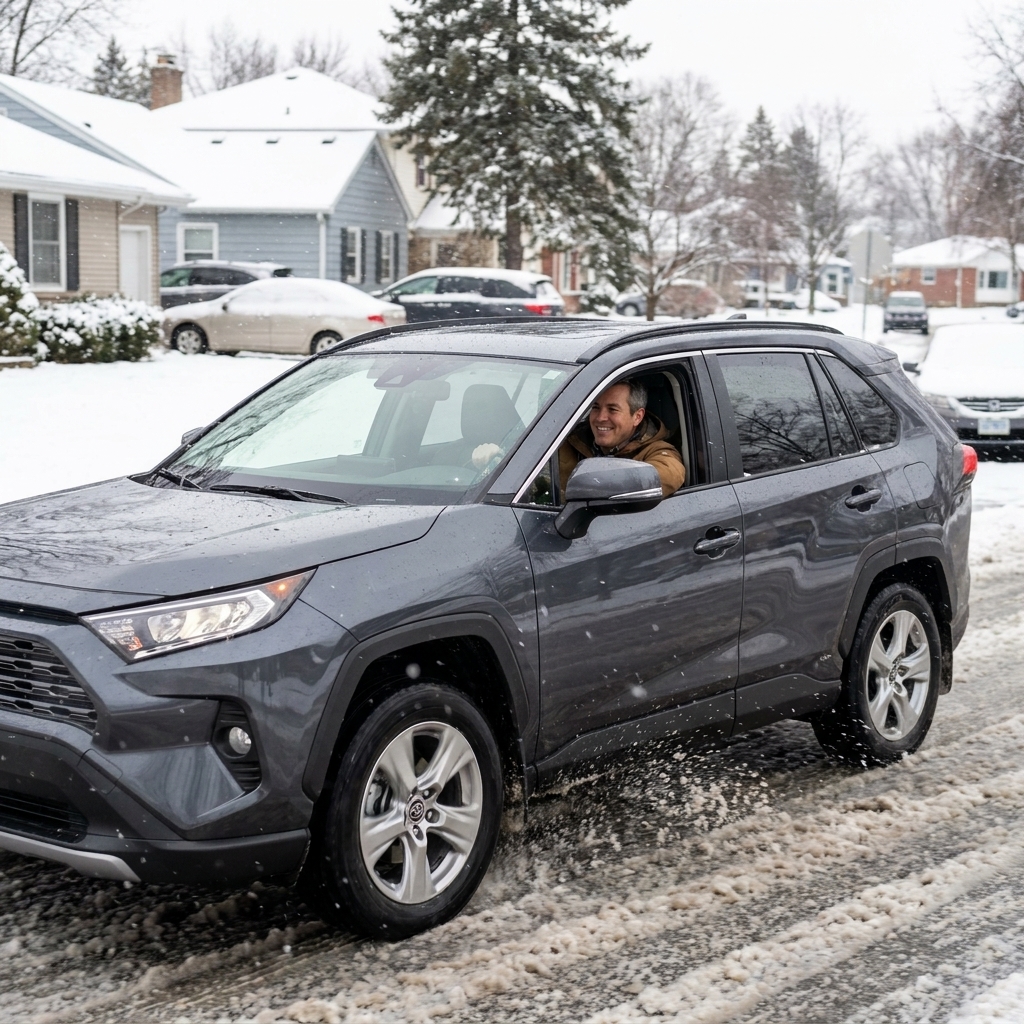
Traditional 4WD systems use a transfer case to link the front and rear axles when 4WD is engaged. In a typical part-time 4WD setup, engaging 4H or 4L effectively locks the front and rear together, which is exactly what you want on loose surfaces. Some 4WD systems are full-time or have an “auto” mode with a center differential or clutch that allows speed differences on dry pavement.
In many trucks and body-on-frame SUVs, you get:
- 2H: power to the rear wheels only.
- 4H: power to front and rear for slippery surfaces at normal speeds.
- 4L: a lower gear reduction for slow-speed torque and control.
Low range is the feature that changes the game off-road and in deep snow. It lets the engine spin in a happier RPM range while your tires crawl slowly, which means better control and less brake riding on descents.
Important: many part-time 4WD systems should not be used on dry pavement in 4H or 4L because the driveline can bind when the front and rear axles cannot rotate at slightly different speeds in turns. Also, 4L is generally for low speeds only. If you are not sure what your vehicle allows, follow the owner’s manual.
AWD vs. 4WD: key differences
1) Driver involvement
- AWD: usually automatic. You drive, it figures it out.
- 4WD: often mode-based. You choose 2H, 4H, 4L depending on conditions.
2) Low-speed control
- AWD: generally lacks low range. Fine for plowed roads, packed snow, and wet pavement.
- 4WD: low range is built for steep grades, deep snow, sand, mud, and technical trails.
3) Hardware and durability
- AWD: commonly found in crossovers and cars with lighter-duty components. Strong enough for normal use, not meant for repeated rock crawling.
- 4WD: often paired with heavier-duty trucks and SUVs. Transfer cases, differentials, and cooling are typically designed for sustained load.
4) Fuel economy and operating cost
All else equal, adding driven components adds friction and weight. AWD and 4WD can both cost fuel. 4WD trucks and big SUVs can also carry more weight and have more aerodynamic drag, which compounds the difference.
Also, both systems tend to make tire maintenance more important. Uneven tire diameters can stress driveline components, especially on AWD vehicles.
5) The “one wheel slipping” problem
Here’s where marketing can get confusing. Whether you keep moving with one wheel on ice depends on:
- Open differentials vs. limited-slip differentials at the axles
- Brake-based traction control tuning
- Locking differentials (more common on off-road oriented 4WD)
Some AWD systems with good traction control are shockingly capable. Some 4WD vehicles with open differentials can still get stuck if power keeps bleeding to the spinning wheels.
Which one do you need?
Pick AWD for mostly pavement
AWD is usually the sweet spot for drivers who deal with:
- Winter commutes on plowed roads
- Rain, slush, and occasional ice
- Gravel driveways and muddy parking lots
- Hilly neighborhoods where stopping and starting is the problem
If your life is 95 percent paved road and you just want extra confidence when the weather turns ugly, AWD is hard to beat.
Pick 4WD for deep, loose, or steep
4WD makes sense when you routinely deal with:
- Unplowed rural roads and deep snow
- Steep, rutted trails and seasonal roads
- Sand driving or muddy access roads
- Slow-speed work where low range is a safety tool
For a lot of folks, the deciding factor is simple: if you need low range, you want 4WD.
If you tow, it depends
Towing itself does not automatically mean you need 4WD. What matters is where you tow:
- Boat ramps, wet grass, sandy launches: 4WD can save you from a very expensive, very public mistake.
- Highway towing and normal campgrounds: AWD can be plenty, and sometimes a 2WD truck with the right tires is fine.
If you tow on slippery surfaces at low speed, that is where 4WD earns its keep.
Why layout matters
Here is the simple version of why AWD and 4WD can feel so different in the real world even when both badges claim “all four wheels.”
- Most AWD crossovers are FWD-based: great packaging and road manners, usually lower ground clearance, lighter-duty cooling, and tires chosen for quiet comfort. They are excellent daily drivers that can handle bad weather.
- Most 4WD trucks and SUVs are RWD-based: built around a transfer case, often with more clearance and underbody room. They tend to have the angles, gearing, and durability that matter when conditions get deep, steep, or slow.
This is why the same snowstorm can be a non-event for one vehicle and a long night for another.
Snow truth: tires first
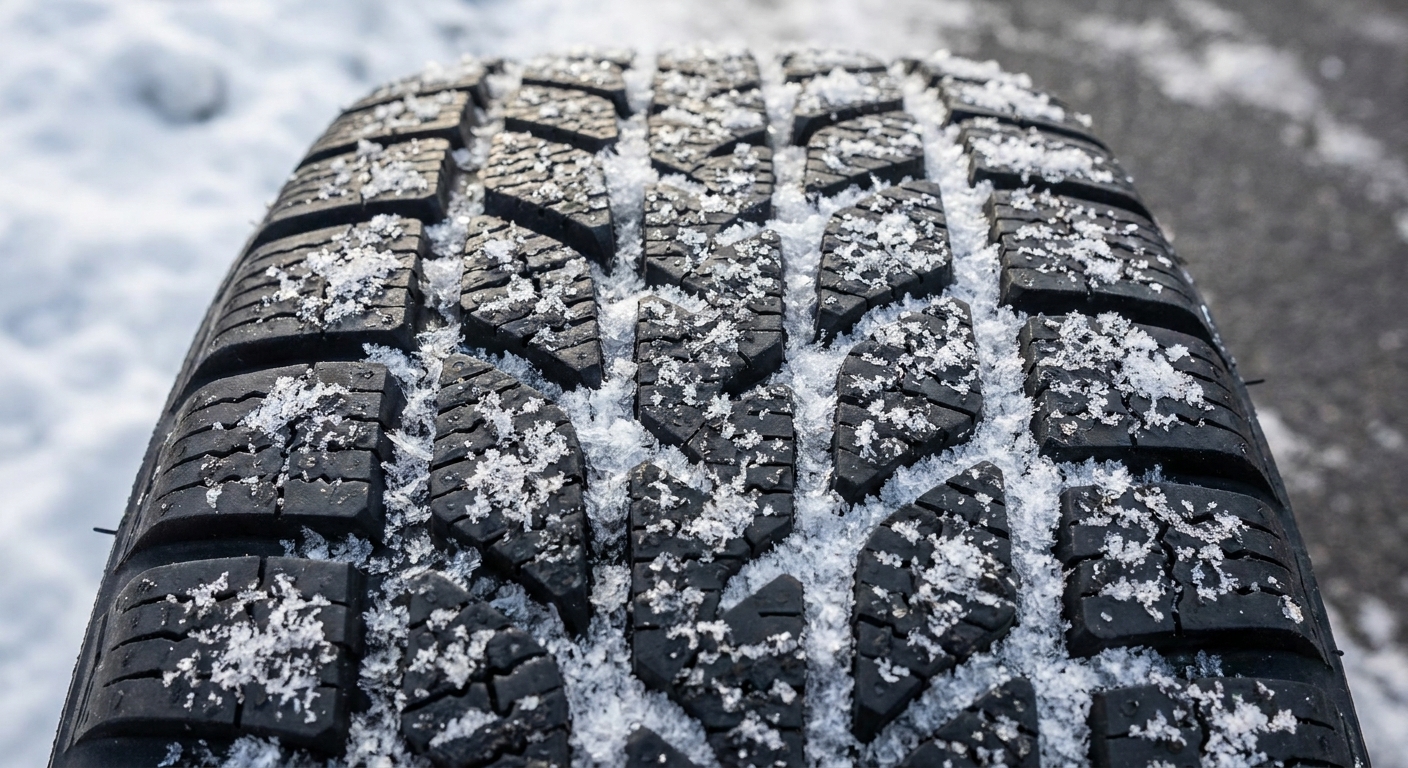
I will say this as plainly as I can: AWD or 4WD on mediocre all-season tires will not out-perform 2WD on excellent winter tires in many real winter conditions.
Drivetrain helps you get moving. Tires help you turn and stop. The stopping part is where people get into trouble.
If you live where winter is serious, budget for one of these:
- Three-peak mountain snowflake rated all-weather tires for a one-set solution
- Dedicated winter tires if you want maximum grip
Myths I hear in the shop
Myth: AWD means you can drive faster in snow
Reality: AWD helps you accelerate without spinning. It does not change physics for braking distance. Driving faster just means you arrive at the problem with more momentum.
Myth: 4WD is always better than AWD
Reality: Better for what? For commuting on wet pavement, a good AWD system can be smoother and more seamless than a part-time 4WD setup. For technical off-road driving and deep snow, 4WD with low range wins.
Myth: You only need two new tires on AWD
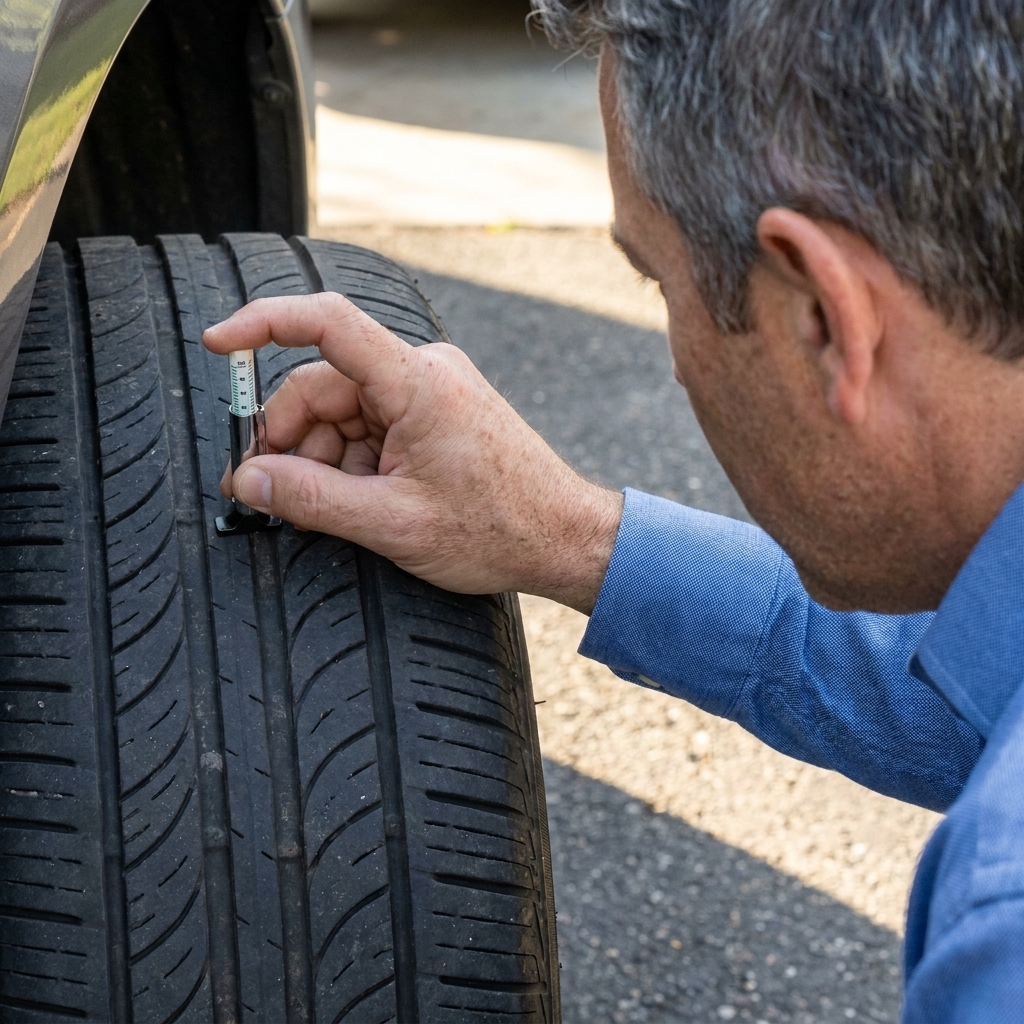
Reality: Many AWD systems are picky about tire diameter. If you replace only two tires and the new ones are significantly taller than the worn ones, you can stress the center coupling or differential. The acceptable difference varies by manufacturer, sometimes spelled out as a tread-depth or circumference limit. If you are unsure, check the spec or ask a reputable tire shop about matching tread depth, including shaving a tire when appropriate.
What to look for when shopping
For AWD vehicles
- System type: full-time vs. part-time (on-demand)
- Traction control behavior: does it cut power aggressively, or does it allow some wheel slip to keep moving?
- Ground clearance: in snow, clearance matters as much as traction once it gets deep
- Tire policy: ask how sensitive the system is to mismatched tires and what the manufacturer allows
For 4WD vehicles
- Does it have 4L? Not all “4x4” badges mean low range is present
- Is there an auto 4WD mode? Helpful if you bounce between dry and patchy icy pavement
- Locking differential availability: rear locker or center locker can be a big plus off-road
- Approach and departure angles: important if you actually plan to leave pavement
Ownership tips
Keep tires matched and rotated
For AWD and 4WD, consistent tread depth across all four corners helps protect differentials and couplings. Rotate on schedule, keep pressures even, and replace as a set when required by the manufacturer.
Change drivetrain fluids on time
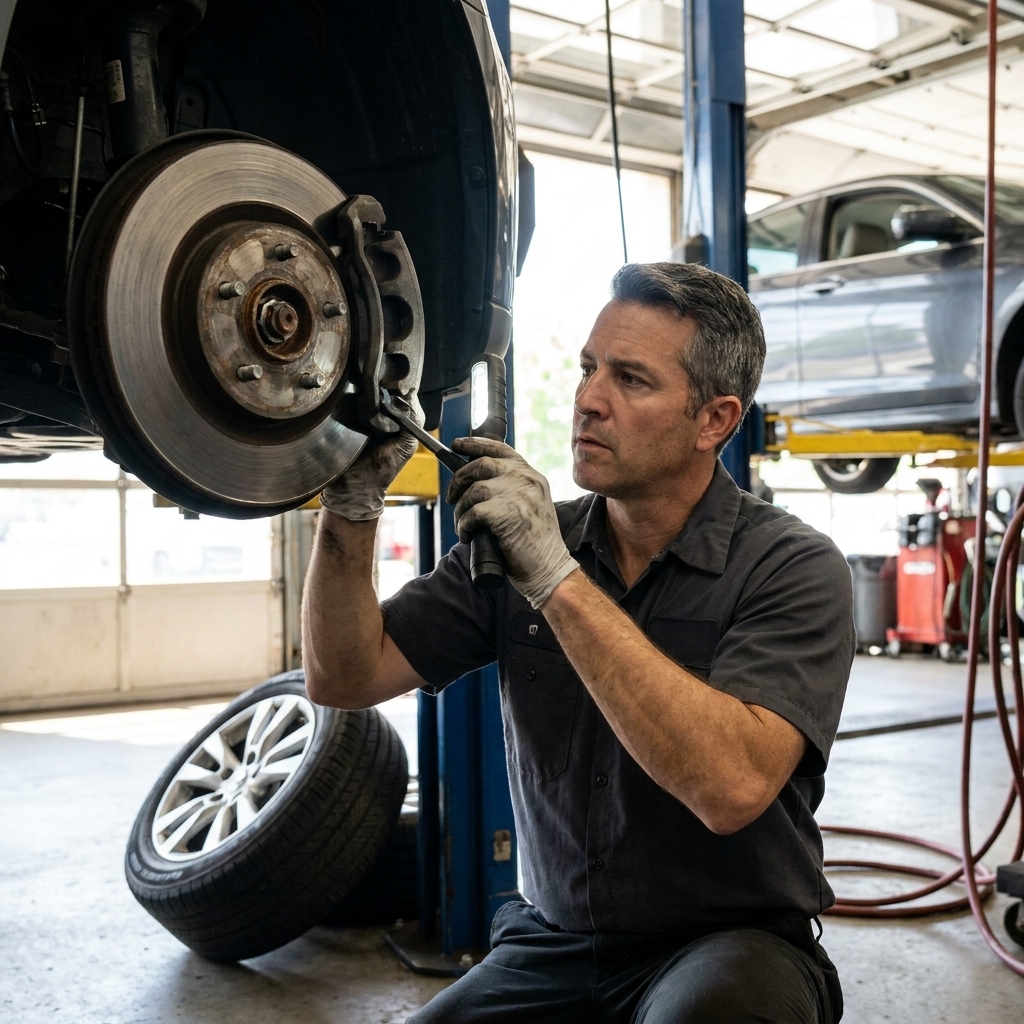
Transfer case fluid, front and rear differential fluid, and sometimes a center coupling fluid are not “lifetime” in the real world. If you tow, drive off-road, drive through deep water, or live in extreme temperatures, shorten the interval.
Use the system
For part-time 4WD, engaging 4H briefly every so often on an appropriate low-traction surface can help keep actuators and linkages from getting lazy. Always follow your owner’s manual for the right procedure.
Decision shortcuts
- I commute in snow but roads get plowed: AWD (plus good tires)
- I live on an unpaved road that stays unplowed: 4WD strongly recommended
- I visit trailheads, camp on forest roads, or drive sand: 4WD if it is frequent, AWD if it is occasional and mild
- I just want extra confidence in rain: AWD can help, but tires matter more than anything
- I tow a boat or trailer onto slippery ramps: 4WD is a stress reducer
FAQ
Is AWD the same as 4WD?
No. AWD is typically automatic and optimized for mixed on-road conditions. 4WD is typically selectable and often includes low range for slow-speed traction and control.
Can you use 4WD on dry pavement?
It depends. Many part-time 4WD systems should not be used on dry pavement because the driveline can bind during turns. Some full-time or auto 4WD systems are designed to be used on any surface. Check your manual.
Does AWD help you stop faster?
No. Braking is mainly about tire grip and brake condition. AWD helps acceleration and maintaining momentum, not stopping distance.
Do I need AWD if I have winter tires?
Not always. A 2WD vehicle with true winter tires can be very capable in winter conditions. AWD adds convenience and can help you get moving in deep slush or on steep starts.
What is the biggest reason to choose 4WD?
Low range and durability for repeated low-traction use: deep snow, steep grades, mud, sand, and off-road travel where slow control matters.
Bottom line
If your world is mostly pavement with winter weather or heavy rain, AWD is usually the best mix of confidence, simplicity, and day-to-day comfort. If you regularly deal with deep snow, steep terrain, mud, sand, or off-road travel, 4WD with low range is the right tool.
And no matter which badge is on the tailgate, spend your money where it counts: quality tires, proper maintenance, and driving like conditions are trying to catch you slipping.