A clear, mechanic-approved explanation of regenerative braking in hybrids and EVs, plus practical driving tips to capture more energy and extend range.
Most drivers don’t think about ABS until the moment they really need it: a car pulls out, a deer darts across the road, traffic suddenly stops on wet pavement. Then the brake pedal starts buzzing, the car makes a grinding or chattering sound, and your brain goes, “Did I just break something?”
You probably didn’t. That noise and vibration are often your anti-lock braking system doing its job: helping you slow down while keeping the tires rolling enough to steer.
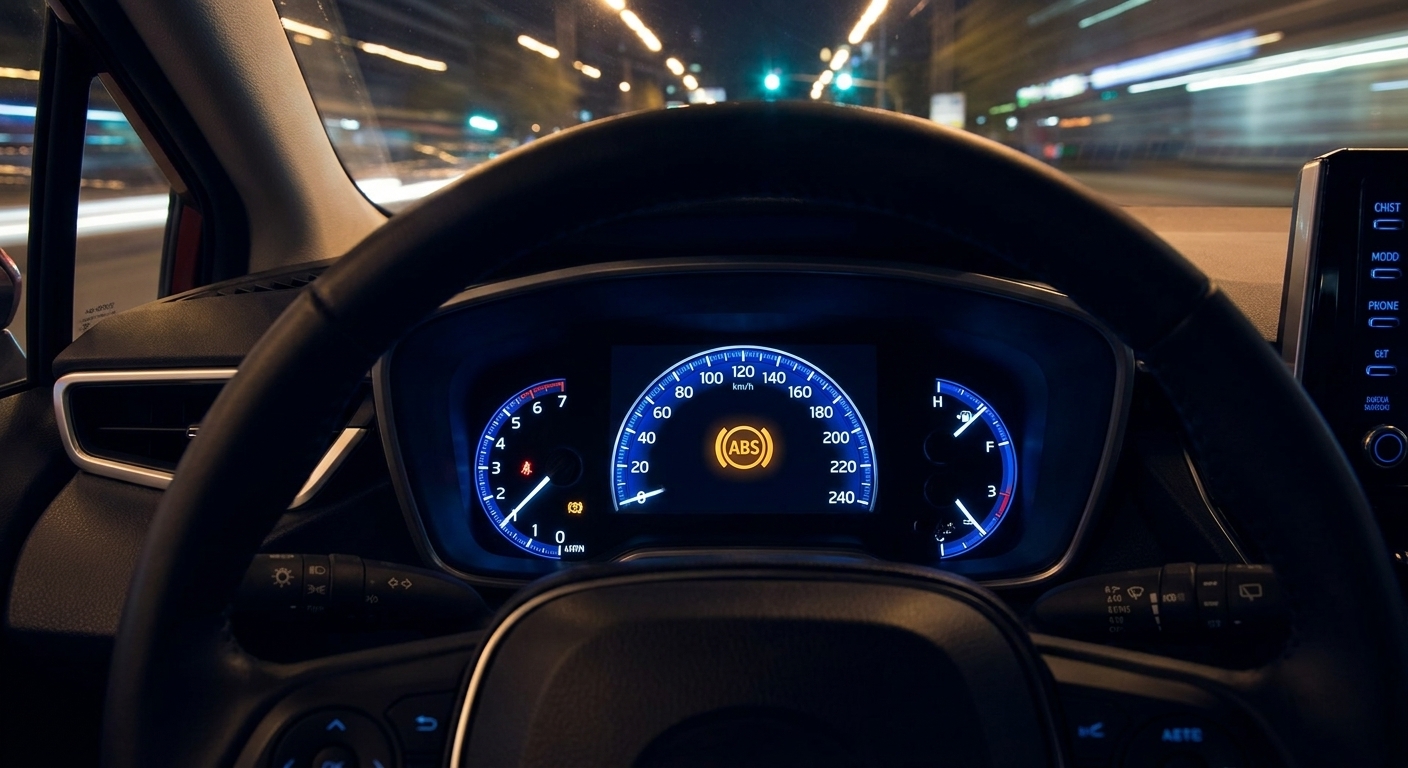
What ABS prevents
ABS exists for one main reason: to prevent wheel lockup during hard braking.
When a wheel locks up, the tire stops rolling and starts sliding. In a full slide, the tire has far less usable grip for braking and, just as importantly, it loses most of its ability to change direction. That is why locked brakes often lead to going straight even when you’re turning the wheel.
ABS works by keeping the tires near the edge of slipping, where they can still generate strong braking force and maintain steering control. It will not magically shorten stopping distances in every situation, but it can make the difference between hitting something head-on and steering around it.
Traction, slip, and control
Your tire has a limited “traction budget.” Braking uses some of that budget, and steering uses some too. When you ask for too much braking, the tire exceeds available grip and begins to slide.
ABS manages that threshold by allowing a tiny amount of slip, then backing off, then reapplying. It does this many times per second. The goal is controlled deceleration while keeping the tire rotating so it can still respond to steering input.
If you take one concept from this article, make it this: ABS is about control. It is built to help you keep the car steerable during an emergency stop.
How ABS works
ABS sounds mysterious, but it’s a pretty logical system. Here are the key components.
1) Wheel speed sensors
Each wheel has a sensor that reports how fast it’s rotating. If one wheel suddenly slows much faster than the others during braking, that’s a big clue it’s about to lock up.
2) Tone rings or encoder rings
Many systems use a toothed ring (or a magnetic encoder) that the sensor reads as the wheel turns. Damage, rust buildup, or debris here can cause sensor issues, which is one reason the ABS light matters.
3) ABS module (the brain)
The module monitors wheel speeds and decides when to intervene. It’s constantly comparing data and looking for a wheel that is decelerating too quickly relative to the car’s overall speed.
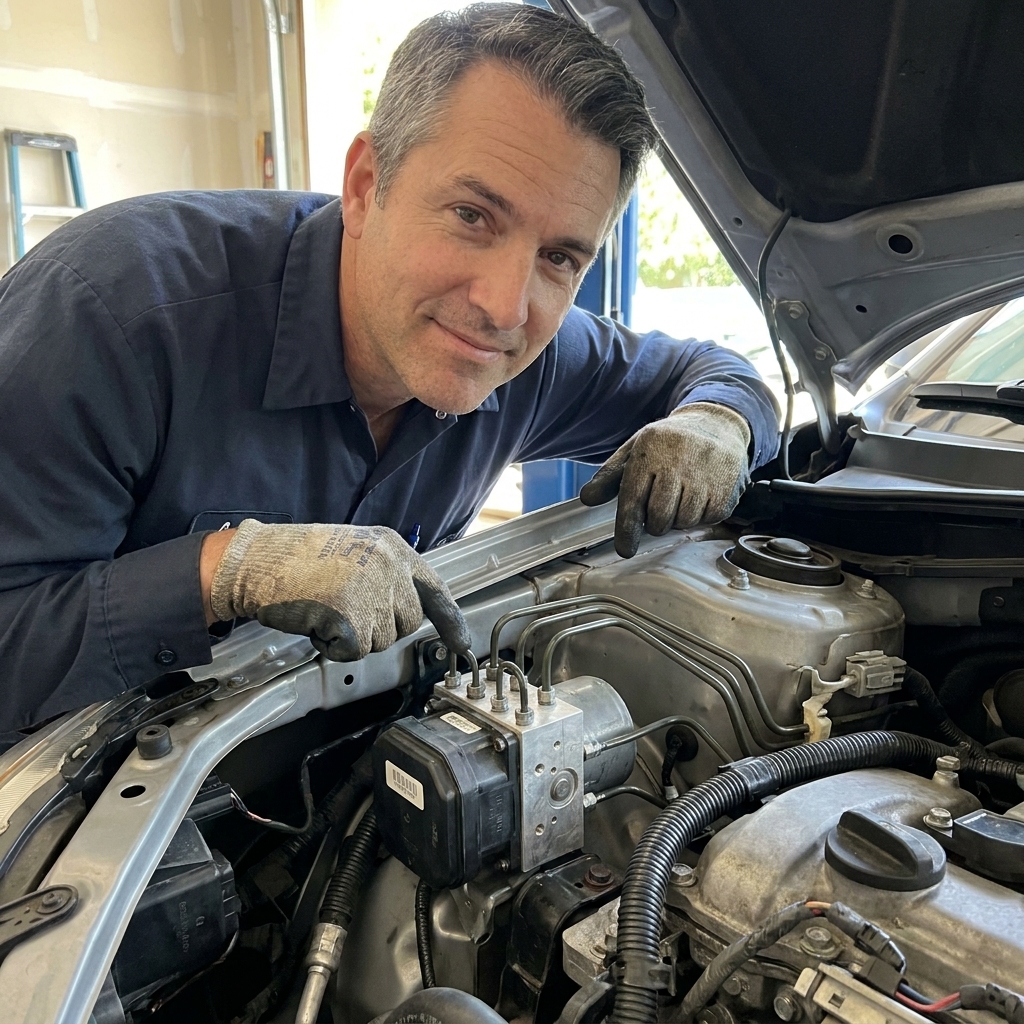
4) Hydraulic control unit (the muscle)
This unit has solenoid valves and an electric pump. When ABS activates, it can:
- Reduce pressure to a brake caliper that’s about to lock a wheel
- Hold pressure briefly
- Increase pressure again once the wheel is rolling
This pressure cycling is the pulsing you feel in the pedal.
What ABS feels like
Drivers describe ABS engagement a few common ways:
- Pulsing or rapid vibration in the brake pedal
- Buzzing under your foot
- Grinding or chattering noises, especially on rough or slick surfaces
- A momentary change in pedal feel compared to normal braking
That’s normal. It’s the system rapidly modulating brake pressure. What’s not normal is an ABS light that stays on, a pedal that sinks to the floor, or a red brake warning light. Those deserve immediate attention.
How to brake with ABS
Here’s the technique I teach friends and family, and it matches what most automakers recommend for modern ABS-equipped vehicles.
Step 1: Press hard and hold
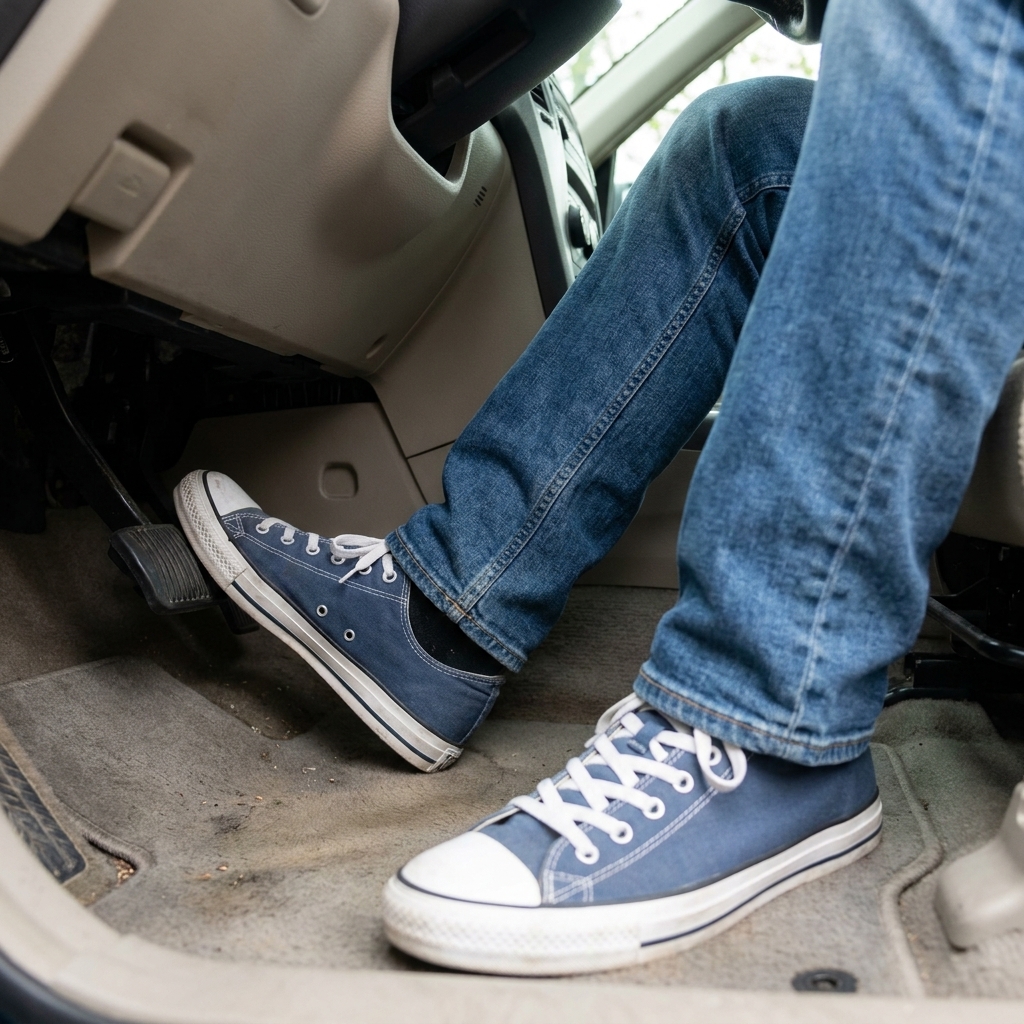
In a true panic stop, you want quick, firm, continuous pressure on the brake pedal. Don’t pump the brakes. ABS modulates brake pressure for you, faster than any human can.
Step 2: Look up and steer where you want to go
Because ABS helps preserve steering control, you should use that control. Look for your escape path and steer smoothly.
One caution: steering hard while braking hard still uses traction. ABS can’t create grip that the road doesn’t have. Smooth inputs help you stay within that traction budget.
Step 3: Expect different results on loose surfaces
On gravel, deep snow, or sand, a locked tire can sometimes build a wedge in front of it that may reduce stopping distance. ABS prevents lockup, so in some cases it can take longer to stop on very loose surfaces. The trade-off is you’re much more likely to stay steerable and avoid a spin. Some vehicles also use off-road ABS calibrations that try to balance these effects.
Step 4: If the pedal chatters, do not panic and lift
The most common mistake I see is drivers feeling the vibration and instinctively letting off because it “feels wrong.” In an emergency, that can cost you crucial distance. If you need to stop, keep braking.
ABS vs older technique
If you learned to drive on older vehicles without ABS, you may have been taught “threshold braking,” which is easing off just before lockup and reapplying. Skilled drivers can do it well, but it takes practice and it’s tough to do perfectly in a surprise emergency.
ABS automates that threshold process. The modern rule is simple: press hard and hold.
Myths that cause mistakes
Myth: ABS always shortens stopping distance
Reality: Often it does on wet pavement, but not always on loose gravel or deep snow. The bigger win is steering control and stability during hard braking.
Myth: If ABS activates, something is broken
Reality: Activation means you reached the point where a wheel was about to lock. That’s exactly when ABS is supposed to step in.
Myth: You should pump the brakes with ABS
Reality: Pumping can reduce braking effectiveness and confuse the system. Hold steady pressure.
Myth: ABS means you can follow closer
Reality: ABS is not extra traction. Safe following distance still matters, especially in rain, snow, or on worn tires.
Related systems people mix up
ABS is specifically about preventing wheel lock during braking. But modern cars often pair it with other helpers that sound similar.
EBD (electronic brake-force distribution) adjusts brake pressure front to rear and sometimes side to side to keep the car stable under different loads. Brake assist can add braking force if it senses a panic stop. Stability control and traction control can use the ABS hardware to brake individual wheels to help prevent skids or wheelspin.
They are related, but they are not the same feature, and an ABS fault can affect some of them depending on the vehicle.
Limits of ABS
ABS is impressive, but it’s not magic. It cannot overcome:
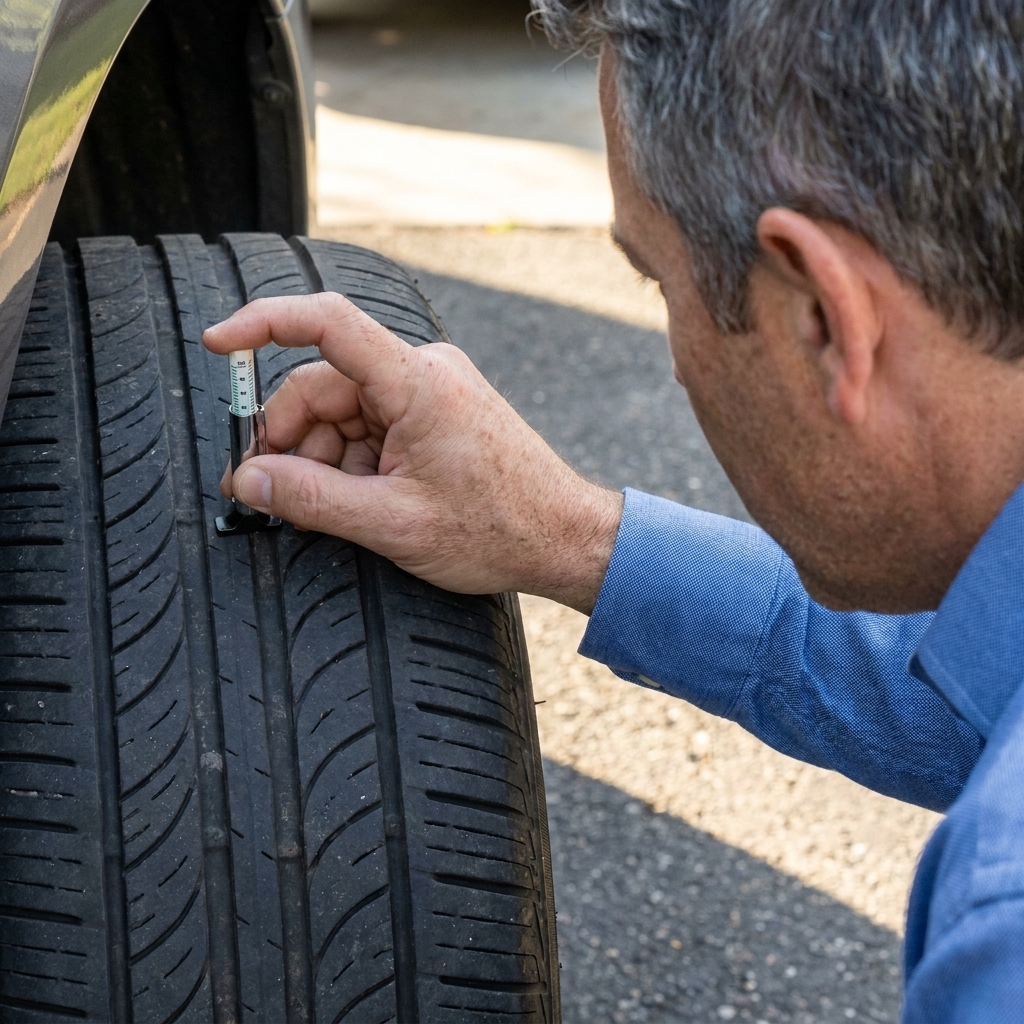
- Bald or low-quality tires
- Overinflated or underinflated tires
- Ice (where grip is near zero)
- Excessive speed for conditions
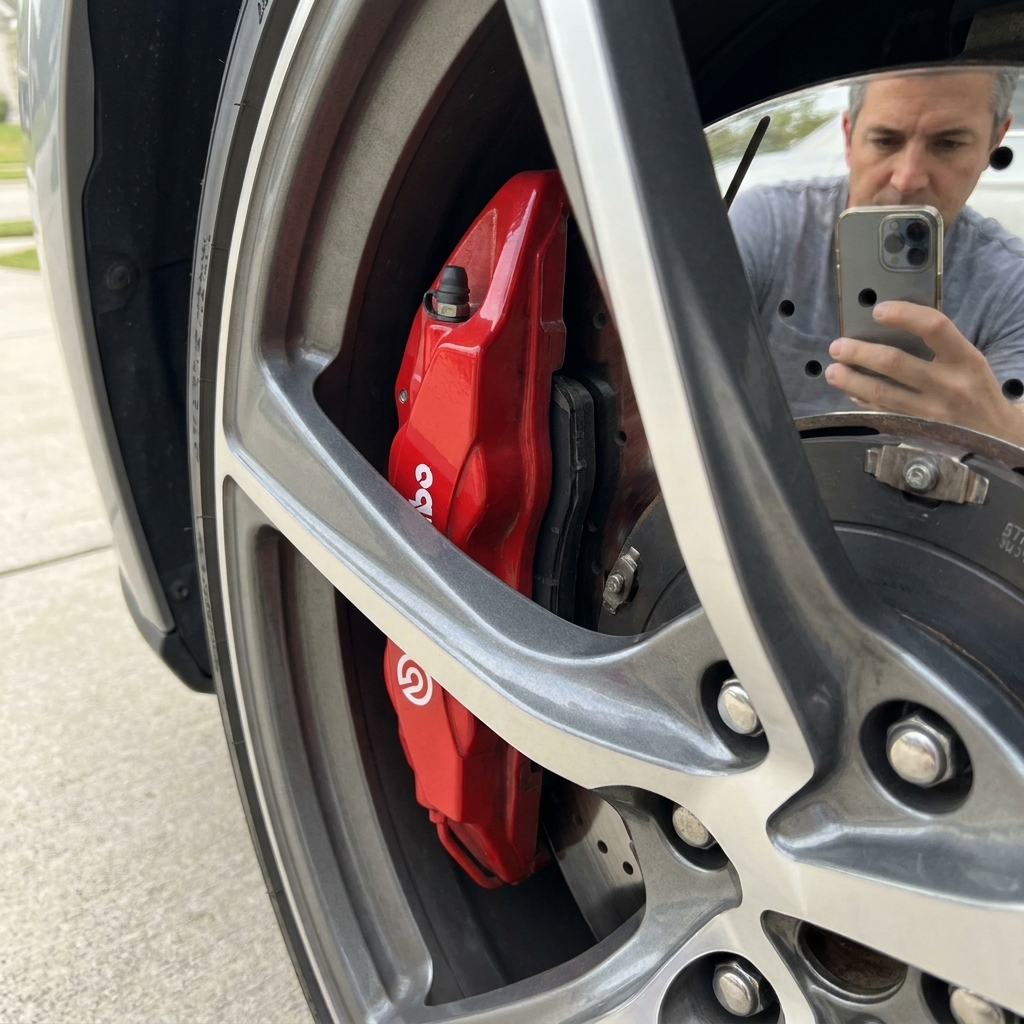
- Mechanical brake problems like worn pads, contaminated brake fluid, or failing calipers
If you want one “upgrade” that makes ABS work better, it’s tires. Good tread and a proper seasonal tire choice give ABS something to work with.
ABS light: what to do
If the ABS light comes on briefly when you start the car and then turns off, that’s normal. It’s a self-check.
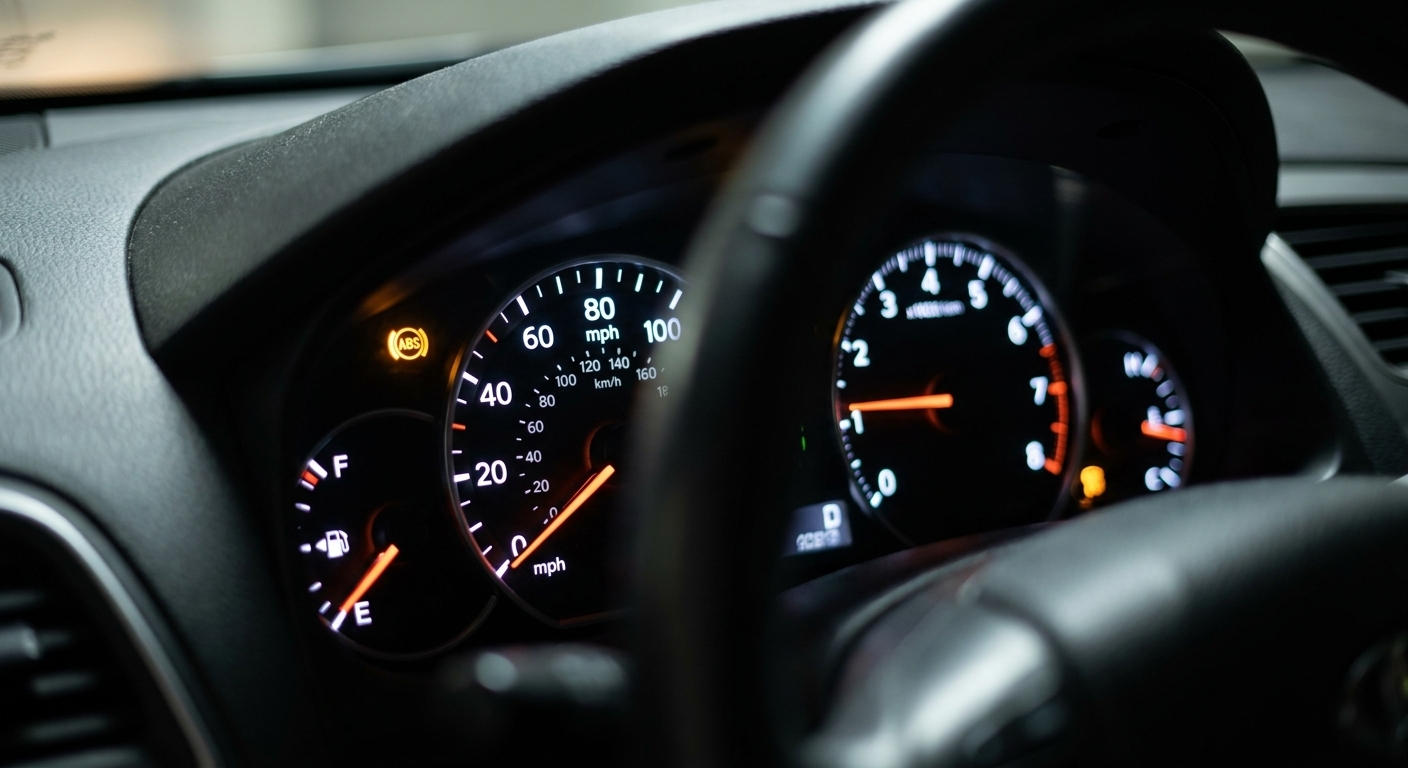
If the ABS light stays on while driving:
- Your normal brakes usually still work, but ABS may be disabled.
- Your vehicle may also lose related features like traction control and stability control, depending on the design.
- Some vehicles may also change how brake force is managed. If braking feels different in any way, treat it as urgent.
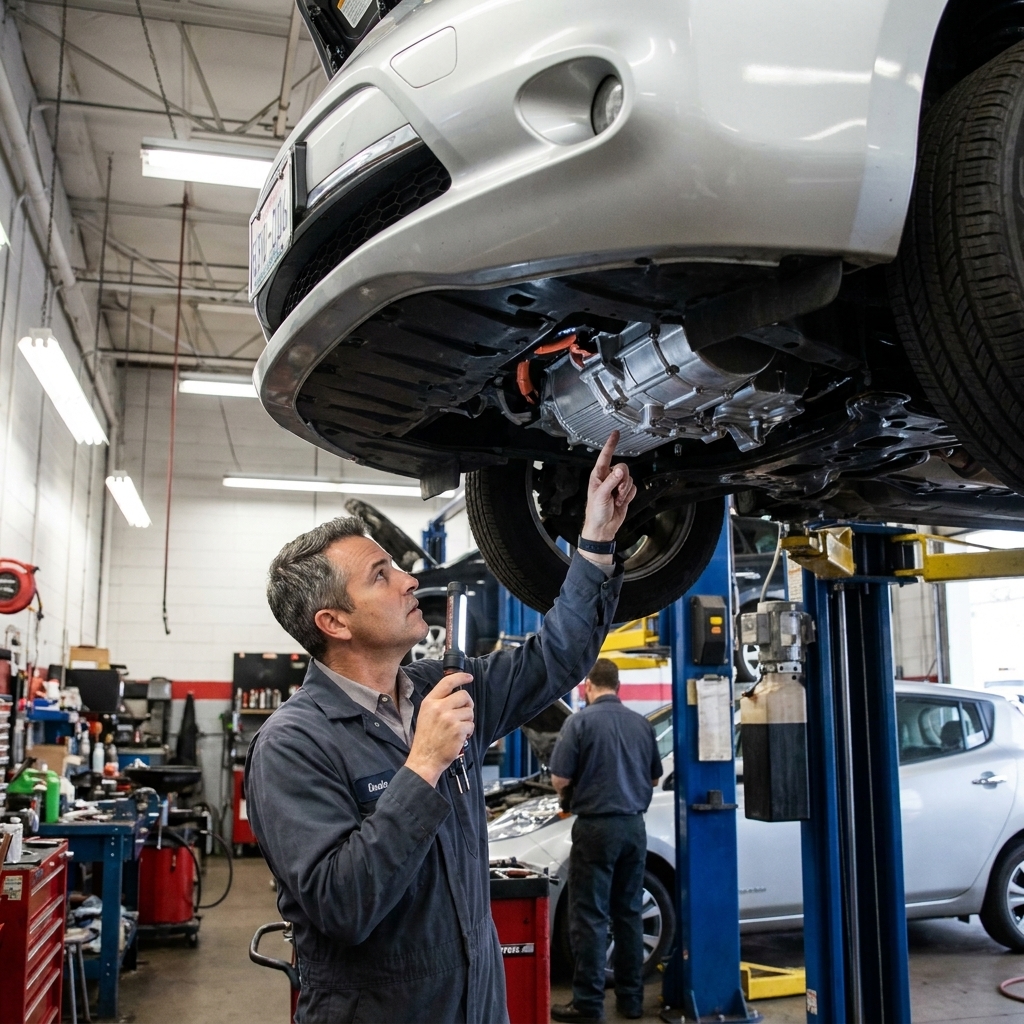
- Give yourself extra following distance, consult your owner’s manual, and get it diagnosed soon.
If the red brake warning light is on, or the pedal feels wrong, treat it as urgent. That can indicate a more serious braking system issue.
Practice safely
The best time to learn what ABS feels like is not your first real emergency.
If you can do it safely and legally, practice only on private property with permission, in an empty lot with lots of space, good visibility, and no pedestrians. Start at very low speed on clean pavement, and stop immediately if any warning lights appear or the brakes feel abnormal. At a low speed, brake firmly enough to feel the ABS engage.
You’ll learn:
- What the pedal vibration feels like
- How the car behaves when ABS is working
- How much steering control you actually keep
Even one or two controlled stops can make you much calmer if the real moment comes.
Quick checklist
- Brake hard and hold steady pressure
- Do not pump the pedal
- Steer smoothly toward your escape path
- Keep looking up toward where you want the car to go, not just what is directly in front of you
- After the stop, take a breath and re-check traffic before moving
FAQ
Why does ABS kick in on bumpy roads?
On rough pavement, a wheel can momentarily lose contact with the ground and slow rapidly when it lands again. The sensor can interpret that as impending lockup and trigger ABS. If it happens frequently on normal roads, have the suspension and ABS sensors checked.
Does ABS work while turning?
Yes, and that’s one of its biggest benefits. But remember the traction budget: braking and turning both require grip, so smooth steering inputs help.
Can ABS fail without warning?
It’s possible, but many failures trigger the ABS warning light. Sensor faults, damaged wiring, or a failing module are common causes. If the light is on, assume ABS may not be available.
What about EVs and hybrids?
EVs and hybrids often blend regenerative braking with friction brakes. ABS still functions, but in hard stops regen is usually reduced and friction braking does more of the work. Blending strategies vary by manufacturer, but the driver advice stays the same: press firmly and let the system work.
If you take nothing else away: when ABS activates, it’s not a cue to back off. Stay on the pedal, steer where you want to go, and let the sensors and hydraulics do their fast, repetitive work.