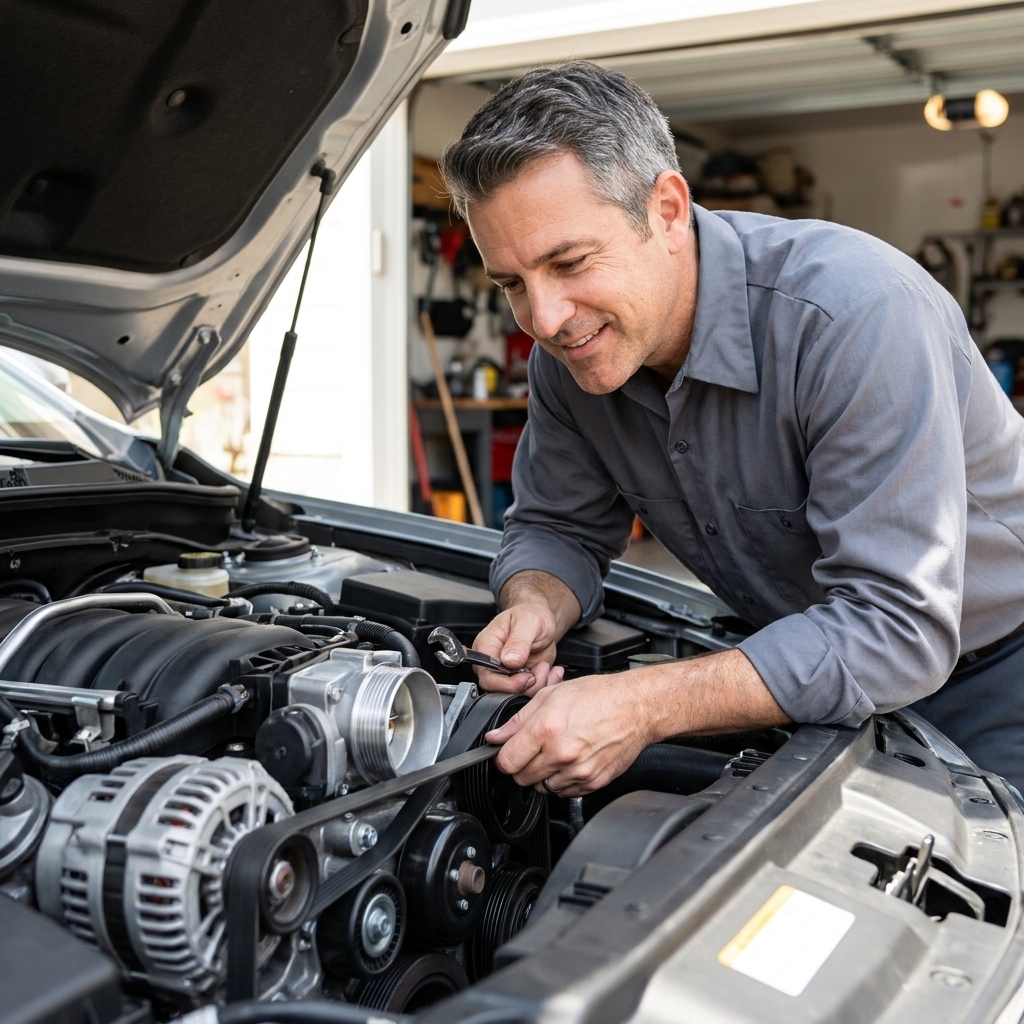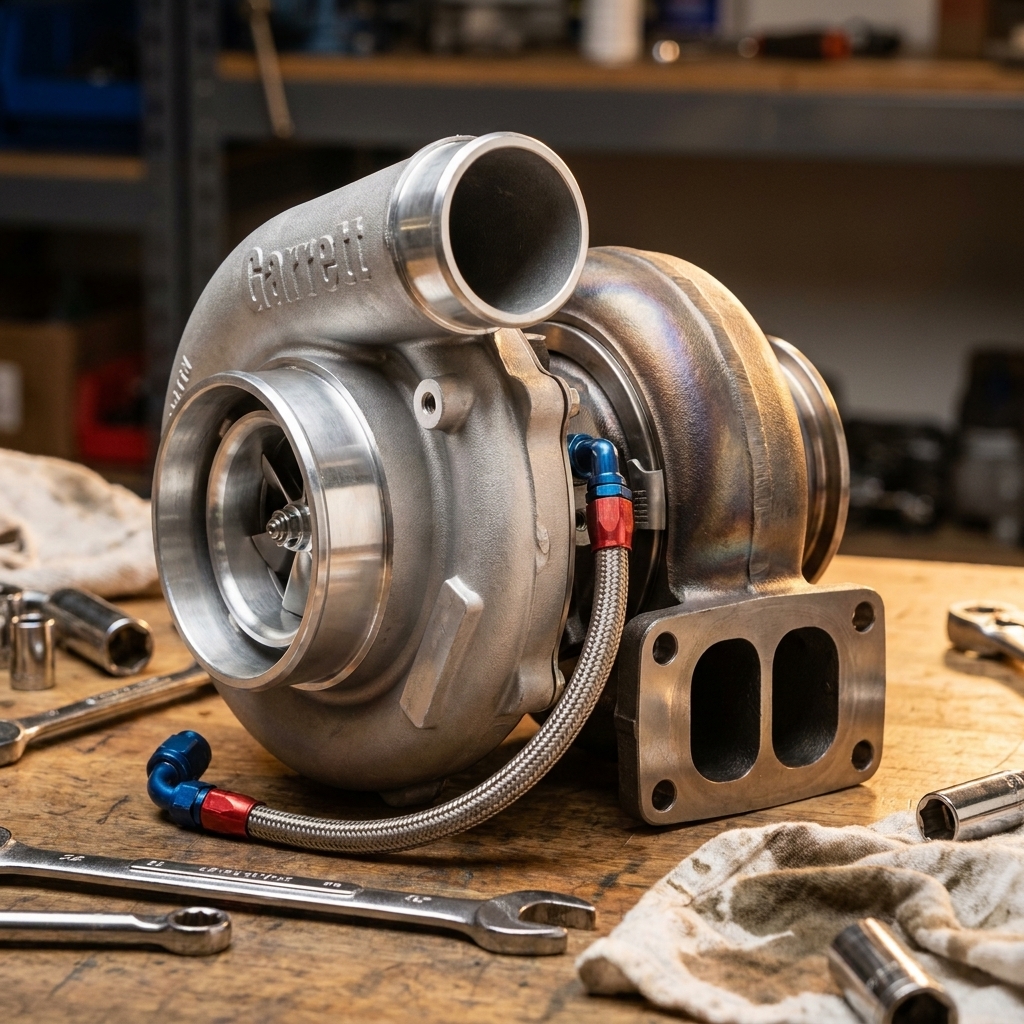
A clear, mechanic-backed breakdown of turbos and superchargers: how they build boost, why they feel different, and what that means for reliability and mainte...
Every fuel pump makes it feel like you are choosing your car’s “diet”: regular, mid-grade, premium. And because premium costs more, the little voice in your head starts talking. Is my engine going to last longer if I pay extra? Will it run smoother? Am I cheaping out if I pick 87?
Here is the honest mechanic answer: octane is not a measure of fuel quality or “power”. It is a measure of a gasoline’s resistance to knock. Some engines genuinely need that extra knock resistance. Plenty do not.
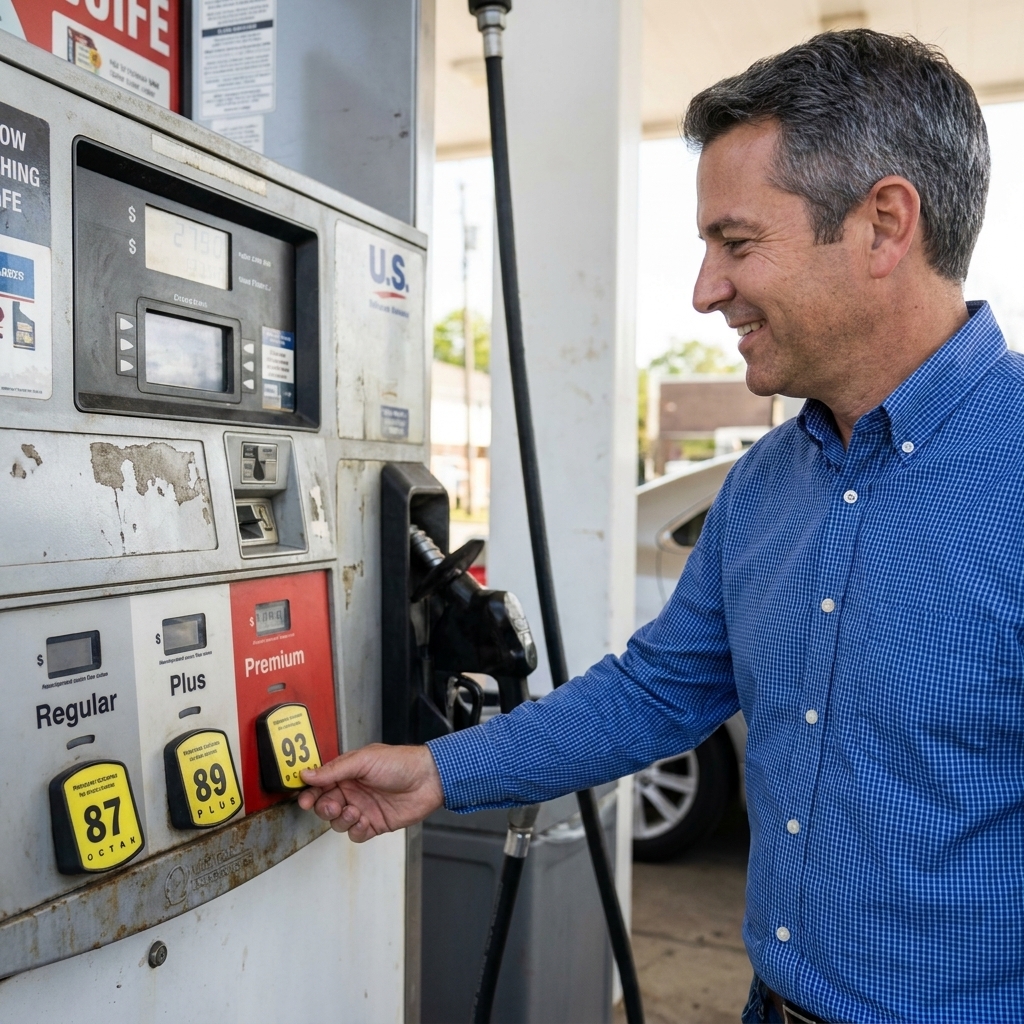
Octane rating, shop explained
Octane rating tells you how resistant a gasoline is to engine knock, meaning uncontrolled auto-ignition and detonation under pressure and heat.
Quick technical cleanup, because words matter: people often lump pre-ignition and detonation together. They are both abnormal combustion, but octane ratings (RON, MON, and the U.S. pump number) are specifically about knock and auto-ignition behavior under standardized tests, not “hot spot” pre-ignition.
In the U.S., the number on the pump (87, 89, 91, 93) is typically the AKI rating, which is the average of two lab tests: (R+M)/2. You do not need to memorize that. What matters is this:
- Higher octane = harder to knock.
- Higher octane does not automatically mean more energy. Energy content varies with the blend (season, region, ethanol content), and it is not inherently tied to octane grade.
- Your engine’s design and tuning decide what octane it needs.
What knock is and why it matters
In a perfect world, the air-fuel mixture in your cylinder compresses, then the spark plug fires, and the flame front burns smoothly across the chamber.
Knock is when the air-fuel mixture does not burn smoothly and you get pressure spikes that can sound like a metallic ping or rattle. Modern cars often prevent you from hearing it because the engine control unit (ECU) is constantly listening with knock sensors and adjusting ignition timing.
Why you should care:
- Light, occasional knock usually triggers the computer to pull ignition timing. You lose some power and efficiency, but the engine protects itself.
- Sustained knock under load can overheat pistons, damage ring lands, and beat up bearings. That is where things get expensive.
If you have ever heard a sharp pinging sound climbing a hill or merging hard onto the highway, that is the type of scenario where octane and engine calibration really matter.
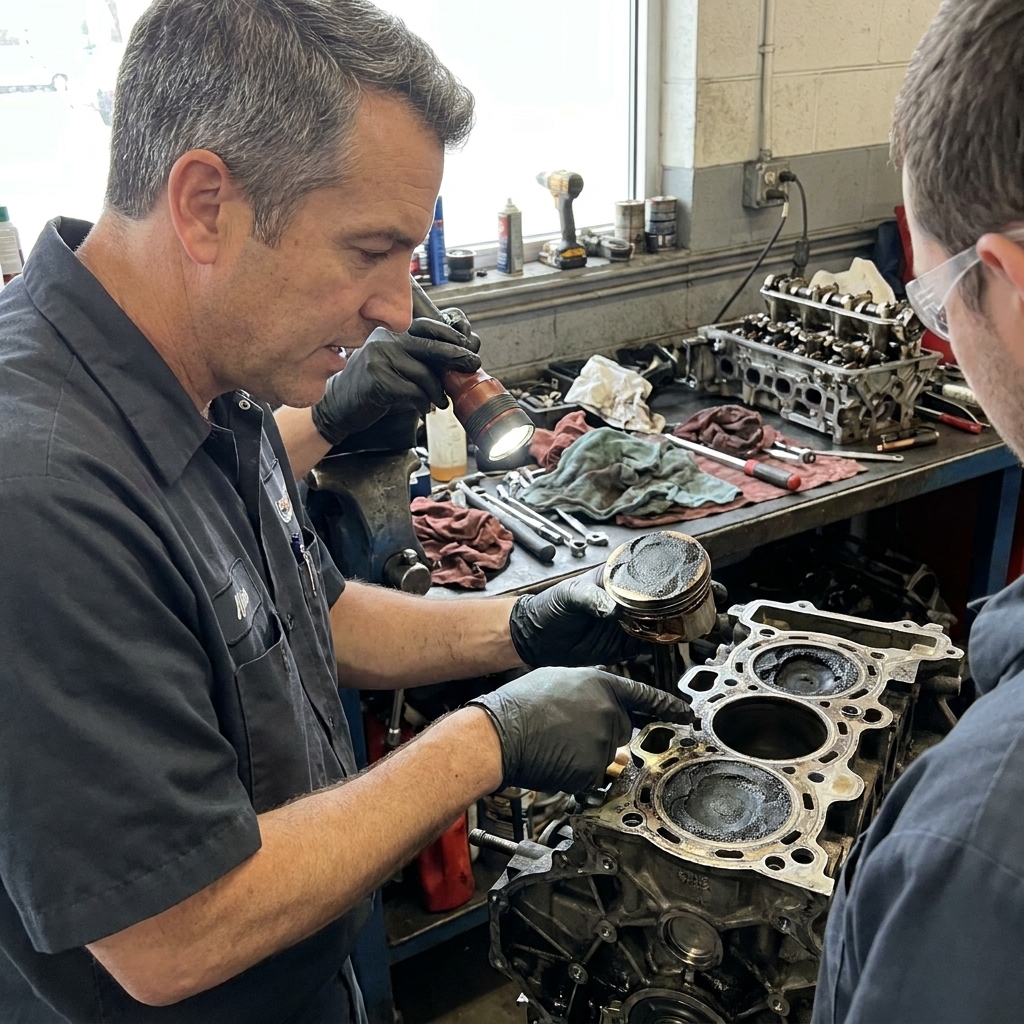
Compression ratio and premium
Compression ratio is basically how much the engine squeezes the air-fuel mixture before the spark. Higher compression improves efficiency and can make more power, but it also makes knock more likely.
As a rule of thumb:
- Lower compression, naturally aspirated engines often run happily on 87.
- Higher compression engines may require 91 or 93.
There is no magic number that guarantees premium is required because combustion chamber shape, ignition timing, cam timing, cooling, and direct injection all change the knock picture. But if a manufacturer says “premium required,” it is usually because the engine is tuned close to the knock limit for performance, efficiency, and emissions targets under expected operating conditions.
Turbo and supercharger octane needs
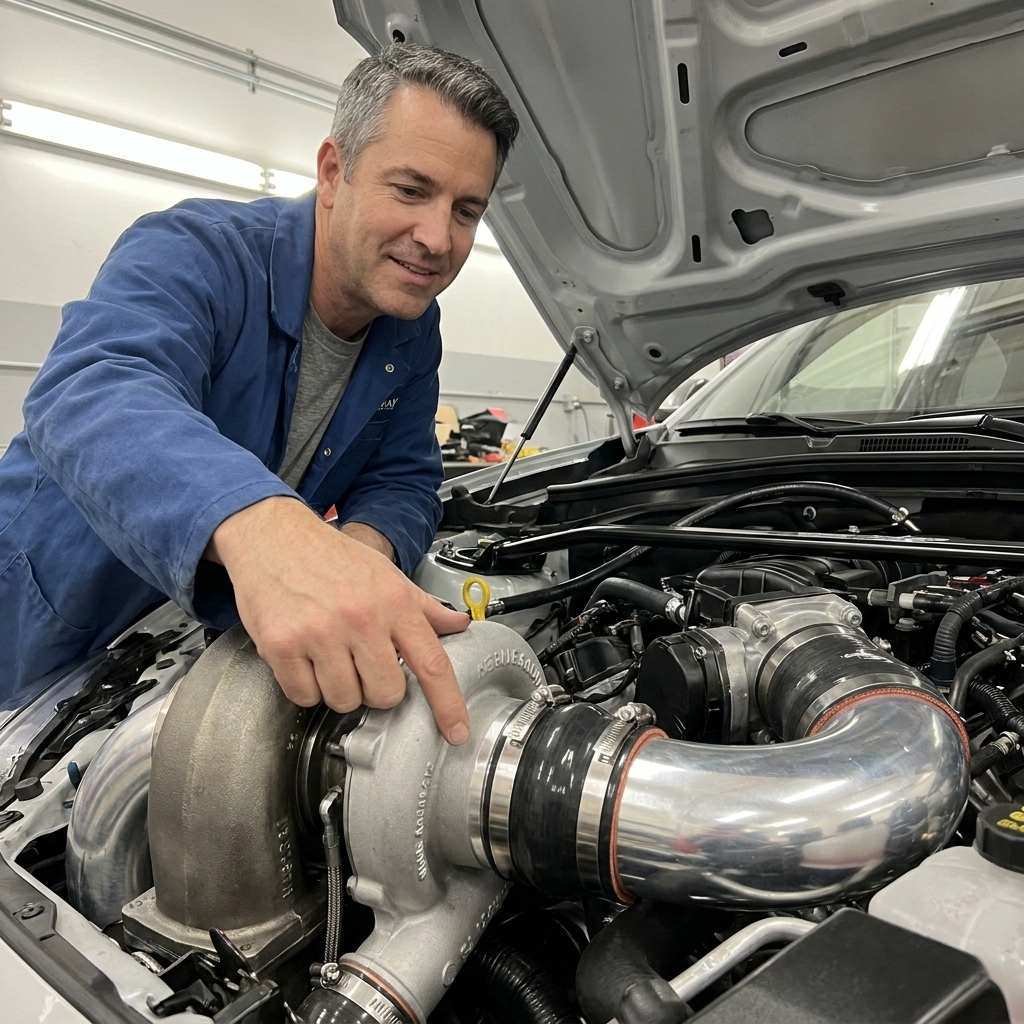
Forced induction is like giving your engine a bigger set of lungs. A turbo or supercharger crams more air into the cylinders, and the ECU adds more fuel to match. More air and fuel means more cylinder pressure, which means more knock risk.
That is why many turbo engines call for premium fuel. Not always, but often. Two important notes I have seen trip people up:
- Some turbo cars are “premium recommended,” not required. They will run on 87, but the computer may reduce boost and timing, and you will feel it.
- Hot weather, towing, steep grades, and high load are when marginal octane really shows up. The engine is working harder, intake temps climb, and knock risk increases.
Regular vs premium: what you get
Does premium make more power?
Only if your engine can use it. If your car is tuned for 87, adding 91 typically will not add power because the ECU is not asking for more timing or boost in the first place.
If your car is tuned for premium, then yes: using premium helps it hit its designed power targets. Using regular can cause the ECU to dial things back.
Does premium improve fuel economy?
Same story. If the engine is designed for 87, premium usually does not improve MPG in a measurable way. If the engine is designed for premium, premium can restore the intended efficiency, especially under load.
Is premium “cleaner” fuel?
Octane rating is separate from detergent additives. In the U.S., gasoline has to meet minimum detergent standards. Some retailers sell Top Tier fuel with higher detergent levels, but that is about the retailer and additive package, not octane grade. In other words, 87 vs 93 does not tell you whether it is Top Tier. Check the station and brand, not the button you push.
How to know what your car needs
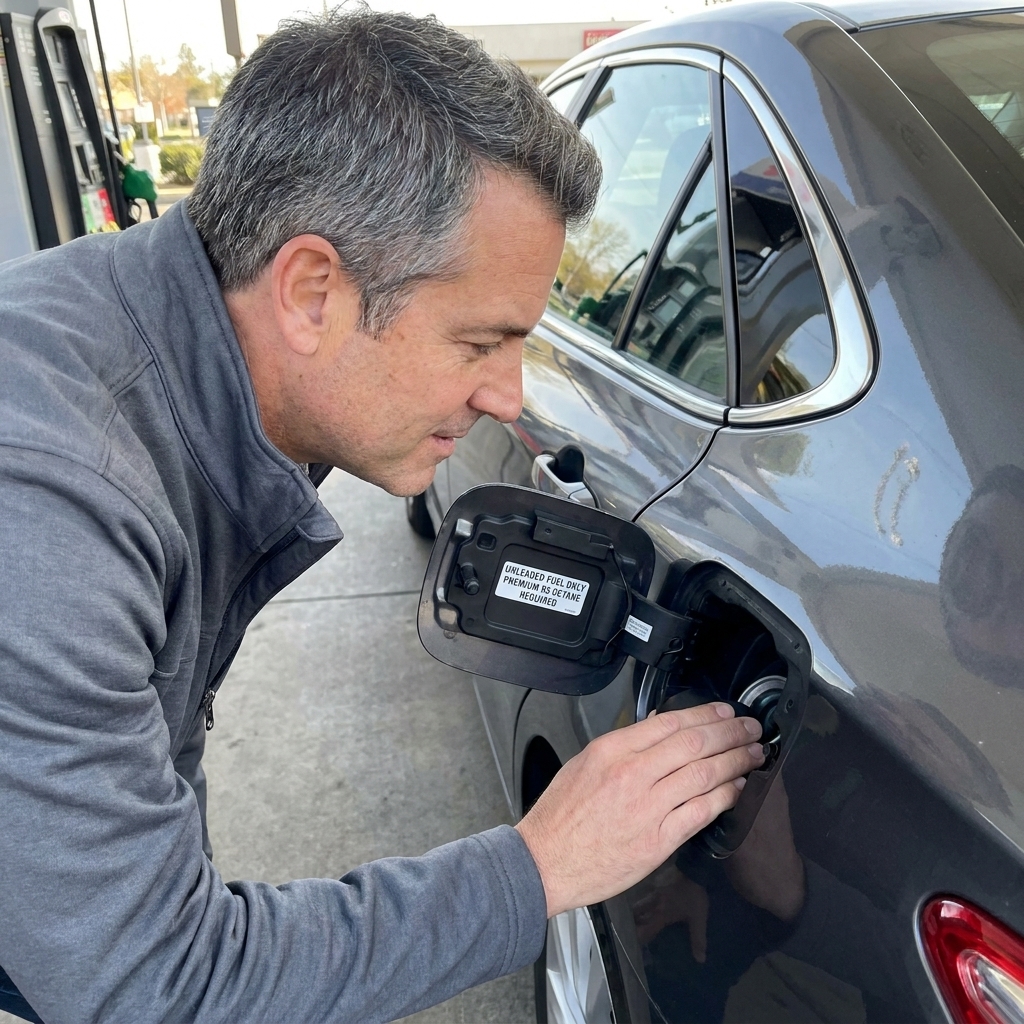
If I could put one piece of advice on every gas pump, it would be this: follow the owner’s manual and the fuel door label. They are not suggestions from the marketing department. They are part of the engine calibration.
Look for these exact words
- “Premium fuel required”: Use the recommended premium octane (often 91 AKI or higher). Running lower octane may cause knock control intervention, reduced performance, and in some cases increased risk under heavy load.
- “Premium fuel recommended”: The engine is designed to perform best on premium, but it can usually adapt to regular. Expect less power and sometimes lower MPG, especially when it is hot or you are driving hard.
- “Regular unleaded” (or 87 AKI): Premium is generally a waste of money.
Quick bonus check: many cars also have an octane callout printed right on the inside of the fuel filler door.
When people buy premium for no reason
- “It is a nicer car, so it must need premium.” Plenty of luxury cars run on 87. Plenty of economy cars require premium. Price tag is not the deciding factor.
- “Premium is better for the engine.” Higher octane is not a vitamin supplement. If the engine is not knock-limited on 87, premium offers no protective benefit.
- “My car feels smoother on premium.” Sometimes that is real, especially on engines that are right on the edge with regular. Other times it is normal variation from fuel blends, weather, or even an ECU adaptation reset after a battery disconnect.
- “Mid-grade is the safe middle.” Mid-grade (often 89) is mainly useful for cars that specify it or for drivers trying to reduce knock in a vehicle that is borderline on 87 in extreme conditions. If your car requires 91, mid-grade is not the answer.
If premium is required, can you use regular?
For many modern cars: once in a while, yes, especially if you drive gently and avoid heavy throttle until you can refill with the correct octane. The knock sensors and ECU strategy are designed to protect the engine.
But there are two important caveats:
- Do not treat it as your normal routine if premium is required. Continuous operation with heavy knock control intervention is not ideal.
- Avoid high load (towing, long grades, track days, aggressive acceleration) on lower octane than specified.
If you accidentally filled with regular when premium is required, do not panic. Drive calmly, keep RPM moderate, and top off with premium as soon as practical.
Also, yes, mixing grades is fine. If you top off with premium after accidentally adding regular, you are effectively averaging the octane in the tank. It is not magic, but it is a practical way to get back toward the required minimum.
High altitude and 85 octane
If you have driven in parts of the Mountain West, you may have seen 85 octane sold as regular. At higher elevations, the air is thinner, cylinder pressures are effectively lower, and knock is less likely. That is why 85 has traditionally been sold and used as “regular” in those regions.
That said, modern OEM guidance is the boss here. If your manual specifies 87 AKI minimum, follow that, even at altitude. And if you road trip from high altitude down to lower elevations, stick with the manufacturer’s minimum octane for the conditions you are driving in.
Older cars and the premium myth
I grew up wrenching on 90s Hondas, and I still see this one: people assume an older engine “needs premium” because it has a lot of miles.
Mileage does not change the octane requirement by itself. But age can introduce issues that make an engine act like it wants more octane:
- Carbon buildup can increase effective compression and create hot spots.
- Overheated engines (cooling system problems) knock more easily.
- Incorrect ignition timing on older distributor-based setups can cause pinging.
If an older car pings on the correct fuel, do not just “buy premium forever.” Fix the root cause. A cooling system service, a proper tune, or addressing carbon buildup often does more than throwing higher octane at it.
Quick myth-busting
Myth: Premium gas is higher quality
Reality: It is higher octane. Quality depends on the brand’s additive package, storage, and turnover, not just octane.
Myth: Premium cleans injectors better
Reality: Detergents vary by brand and whether the fuel meets Top Tier standards, regardless of octane grade.
Myth: Using premium prevents all knock
Reality: Knock can still happen from overheating, lean conditions, excessive carbon, faulty sensors, or mechanical problems.
My rule at the pump
If you want the simplest, wallet-friendly approach:
- If your manual says 87, buy 87 from a reputable station.
- If it says 91 or 93 required, buy that, especially in hot weather, when towing, or if you drive hard.
- If it says premium recommended, do a real-world test: run two or three tanks of regular, track MPG and drivability, then try two tanks of premium. If premium does not improve anything you can measure or feel, save your money. If your car feels noticeably stronger or gets better MPG, the extra cost may be worth it.
Most importantly: do not let the word “premium” guilt you into spending more than your engine can actually use.
FAQ
What octane is regular gas?
In most of the U.S., regular is 87 AKI. Some high-altitude areas sell 85 as regular.
What octane is premium gas?
Premium is typically 91 or 93 AKI, depending on region.
Can premium fuel fix a check engine light?
Usually no. If the check engine light is related to knock control limits or fuel quality sensitivity, higher octane might reduce knock and timing retard. But it will not fix underlying faults like overheating, vacuum leaks, worn plugs, bad coils, sensor issues, or fuel delivery problems.
Will premium hurt my car if it only needs regular?
No, it generally will not hurt anything. You are just paying for knock resistance your engine may not need.
Does premium have more ethanol?
Not necessarily. Ethanol content depends on local regulations and the station’s supply. Many places sell E10 across all grades. Some stations sell ethanol-free fuel as a separate product, often at a higher price, and that is different from “premium” octane.