A mechanic-writer’s clear breakdown of synthetic and conventional oil, including pros, cons, myths, severe service, and how to choose the best oil for long...
If you have ever driven a car that felt normal at light throttle, then suddenly came alive when you leaned into it, you may have felt forced induction at work. That same sensation can also come from things like variable valve timing, throttle mapping, or a transmission downshift, but boost is a very common reason.
Turbos and superchargers do the same basic job: they cram more air into the engine than it could inhale on its own. More air lets you burn more fuel, and that makes more power.
But the way they get there is totally different, and those differences show up in how the car drives, how it handles heat, and what tends to wear out over the long haul.
Forced induction, shop talk
Your engine is basically an air pump. In a naturally aspirated engine, the downward stroke of the pistons creates vacuum that pulls air through the intake. That works, but it has a ceiling: you can only fill the cylinders so much using atmospheric pressure alone.
Forced induction adds an air compressor to raise intake pressure above atmospheric. That higher pressure is called boost, usually measured in psi or bar. More boost generally means more airflow, which generally means more power, assuming the fuel system, ignition timing, and cooling can keep up.
Boost is math (and heat)
Compressing air raises its temperature. Hotter air is less dense and more knock-prone, so most boosted engines use an intercooler to cool the compressed air before it enters the engine. Heat management is a big part of both performance and reliability.
One more bonus point: because a boosted engine can raise manifold pressure to compensate, it usually hangs onto power better at altitude than a naturally aspirated engine.
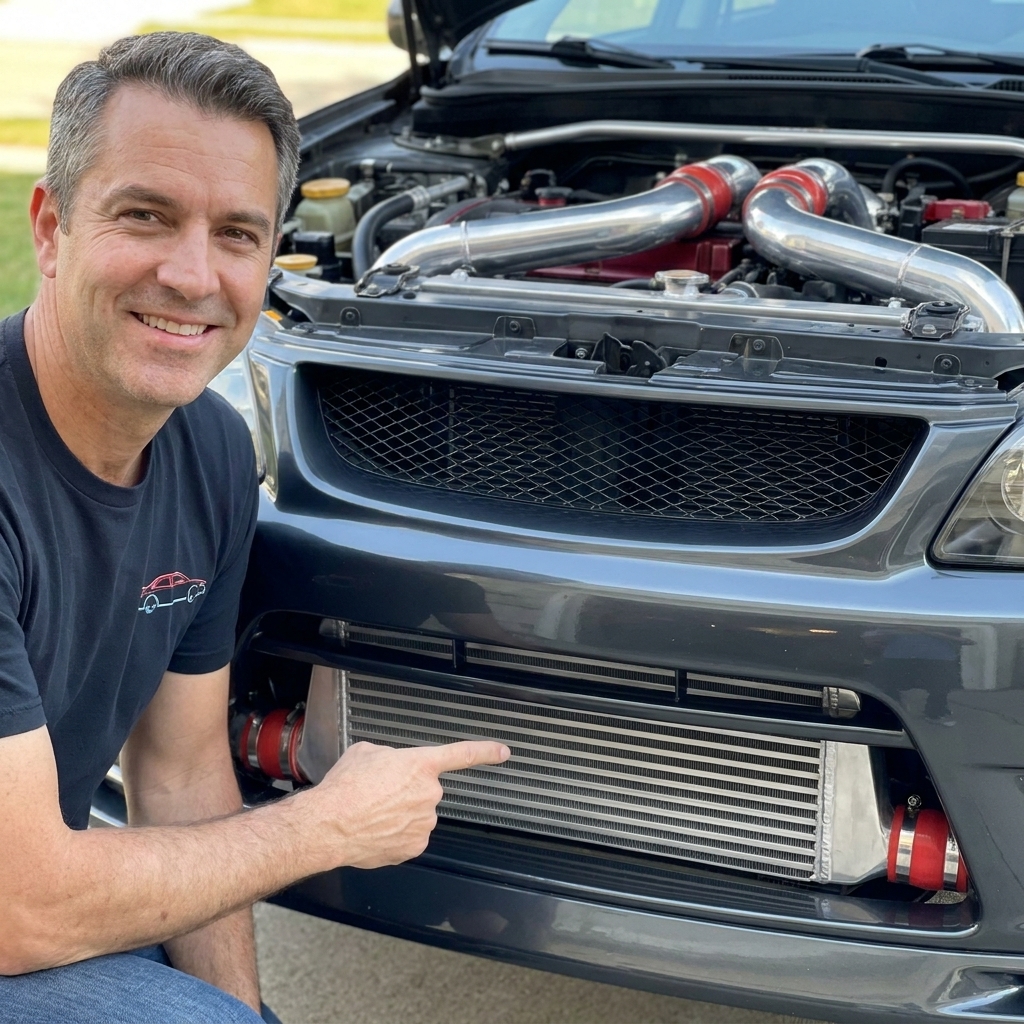
How a turbo works
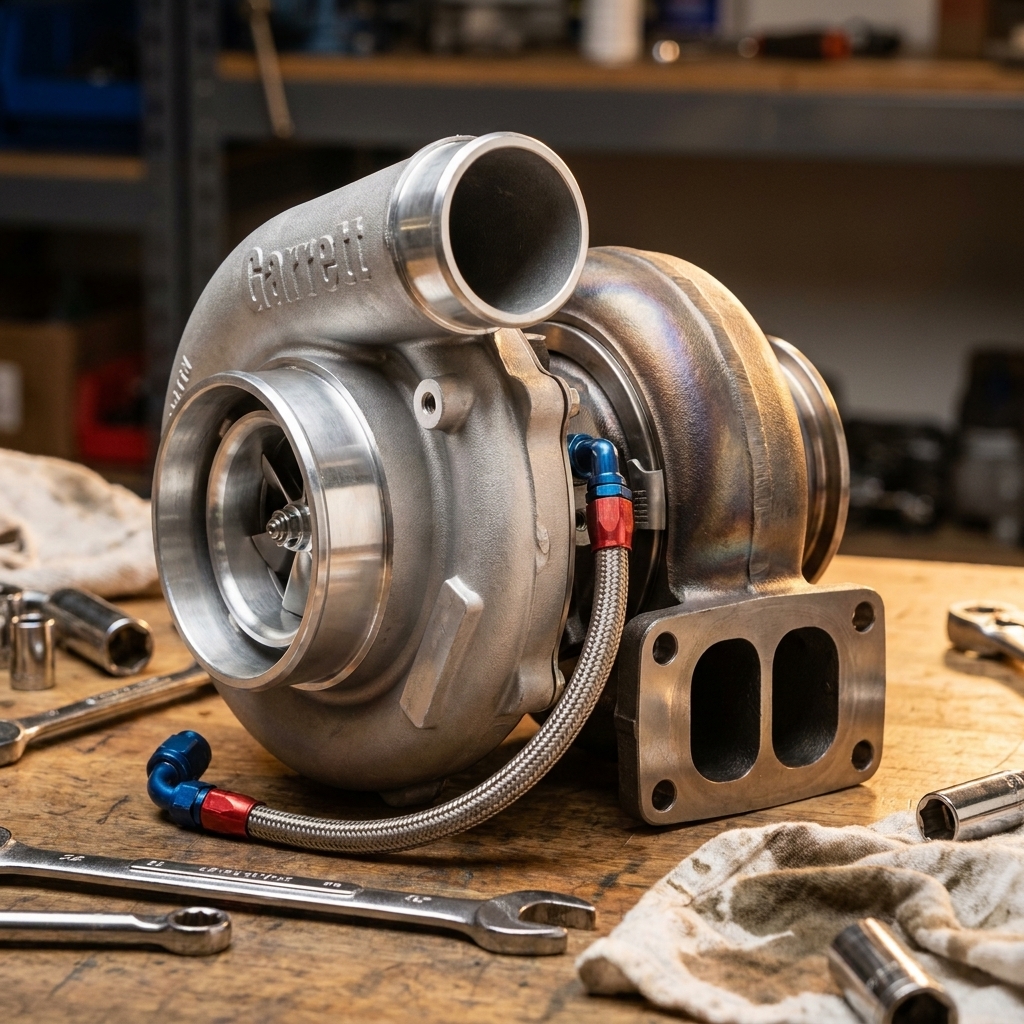
A turbocharger is two wheels on a shared shaft:
- Turbine side (hot side): Exhaust gas spins a turbine wheel.
- Compressor side (cold side): That same shaft spins a compressor wheel (impeller) that pressurizes incoming air.
The big idea is energy reuse. Exhaust leaving the engine still carries a lot of heat and velocity. A turbo harvests some of that otherwise wasted energy to make boost.
Why turbos can feel laggy
Turbo lag is the delay between asking for power and the turbo reaching the speed and airflow needed to make meaningful boost. That depends on exhaust energy and turbo sizing, but also on how the car is set up and controlled: throttle mapping, boost control strategy, gearing, load, and even transient fueling and ignition can change how “laggy” a car feels.
Modern setups reduce this a lot with smaller turbos, twin-scroll housings, variable geometry designs (mostly diesel), and clever tuning. But the sensation can still be there, especially in a big single-turbo setup.
Turbo hardware that matters
- Wastegate: A valve that controls turbo speed and boost by regulating turbine power. It does this by bypassing some exhaust around the turbine once target boost is reached, preventing overboost.
- Blow-off valve or bypass valve: Manages pressure when the throttle closes, preventing compressor surge and keeping the turbo happier. Many OEM turbo cars use a recirculating bypass valve instead of a loud vent-to-atmosphere blow-off valve, and some setups rely on other strategies depending on the intake design.
- Oil and sometimes coolant lines: The turbo shaft rides on bearings that need clean oil. Many modern turbos are also coolant-cooled to manage heat soak after shutdown.
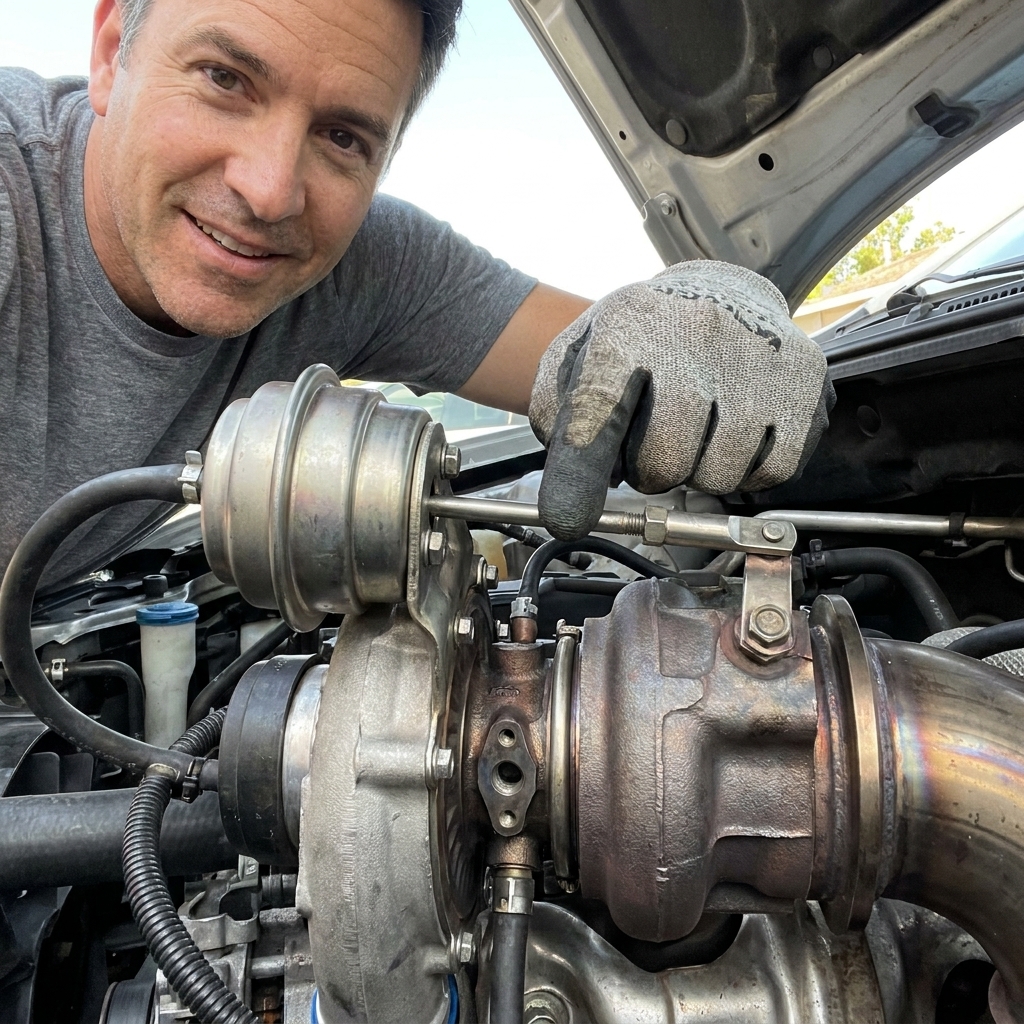
How a supercharger works
A supercharger is also an air compressor, but it is driven mechanically by the engine itself, usually via a belt off the crankshaft. The engine spends some power to spin the supercharger, and the supercharger pays it back by packing in more air and making more total power.
Why superchargers feel immediate
Because a supercharger is tied to engine speed, boost tends to build predictably with rpm, and response is immediate when you tip into the throttle. That is why supercharged cars often feel punchy and linear, especially around town.
Common supercharger types
- Roots: A positive-displacement air mover that pushes air in set volumes. Classic Roots designs do most of their compression in the intake manifold (not inside the blower), which is one reason they can make more heat at higher boost. Big low-end punch and the iconic whine are the payoff.
- Twin-screw: A positive-displacement design that compresses air internally. Often more efficient than Roots at making boost, with strong low and midrange.
- Centrifugal: Works a lot like the compressor side of a turbo, but belt-driven. Boost builds with rpm, usually softer down low and strong up top.
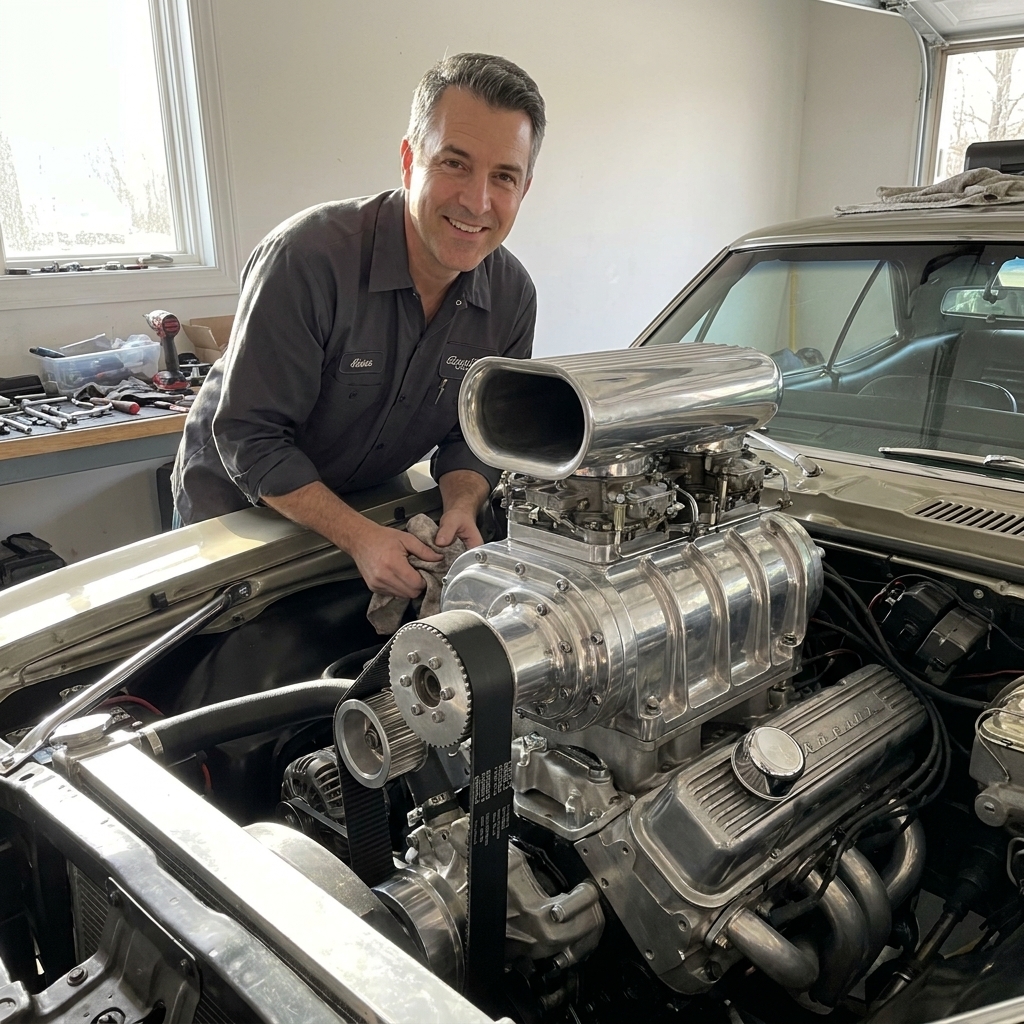
Turbo vs. supercharger
They both compress air, but their power source and packaging are completely different.
What drives them
- Turbo: Exhaust energy drives it. The engine does not directly spin the turbo, but exhaust backpressure and heat management become part of the trade.
- Supercharger: Crankshaft drives it. You get immediate response, but there is a parasitic loss because the engine is turning the compressor.
Heat and efficiency
- Turbos: Often more efficient at making big power because they recycle exhaust energy, but they put a lot of heat in the engine bay and into the intake charge if the system is undersized.
- Superchargers: Add heat too, especially at higher boost, and the belt-drive load can raise engine temps. Some layouts, especially top-mounted Roots or twin-screw units, can heat-soak when you are stuck in traffic.
Packaging and complexity
- Turbos: Need exhaust plumbing, oil supply and return, heat shielding, and careful routing for intake charge pipes. More parts, more thermal stress, tighter tolerances.
- Superchargers: Usually simpler plumbing, but require a robust belt drive system, pulleys, and often specific intake manifold or bracketry.
How they feel on the road
Turbo feel
In many turbo cars, you get strong midrange torque once boost hits. Modern small-displacement turbo engines are tuned for low-end torque, so they can feel deceptively strong in normal driving. Push hard at higher rpm and you may feel the boost taper off, depending on turbo size and factory tuning.
Sound-wise, turbos often mute and smooth out the exhaust note, even when the car is making serious power. You may hear spool, whoosh, and blow-off or bypass noises more than raw engine bark.
Supercharger feel
Supercharged setups often feel like the engine grew in displacement overnight. Throttle response is crisp, and the power delivery is predictable. Centrifugal units are the exception, since they tend to build boost with rpm and come on harder as the tach climbs.
Superchargers also have their own character: that belt-driven whine is either a feature or a dealbreaker, depending on your taste.
A quick rule of thumb
- If you want that spool-then-shove sensation and strong efficiency potential, you are usually in turbo territory.
- If you want instant response and a more naturally aspirated style power curve, you are usually in supercharger territory.
Reliability and longevity
Forced induction is not automatically unreliable. What hurts reliability is heat, oil quality, detonation (knock), poor tuning, and pushing components beyond what they were designed for. Knock, in plain terms, is uncontrolled combustion that spikes cylinder pressure and can damage pistons, ring lands, and bearings.
That said, turbos and superchargers have different typical weak points.
Turbo reliability concerns
- Oil quality and oil change discipline: Turbo bearings live a hard life. Dirty oil, wrong viscosity, or extended oil intervals are a common path to a worn turbo.
- Heat soak and coking: After a hard run, shutting the engine off immediately can leave oil baking in a scorching hot turbo center section. Many modern cars manage this better with coolant circulation and smarter cooling strategies, but it still matters.
- Boost leaks and vacuum issues: More hoses, clamps, and charge piping means more opportunities for leaks, which can cause poor performance, rich running, or odd drivability.
- Wastegate and actuator wear: Rattles, sticking, or control issues can show up with mileage, especially in high-heat setups.
Supercharger reliability concerns
- Belt wear and slip: Belts, tensioners, and idlers are wear items. If the belt slips under load, boost drops and belt dust starts decorating the front of your engine.
- Supercharger oil service: Many units have their own oil supply. Skipping service can shorten bearing and gear life.
- Heat soak (especially top-mounted): Repeated pulls and stop-and-go traffic can raise intake temps, increasing knock risk if the tune and intercooling cannot keep up.
- Intake and bypass valve issues: A sticky bypass valve can cause weird idle, surging, or excessive heat when cruising.
The boring truth
I have seen stock turbo cars run 200,000 miles with basic maintenance, and I have seen built boosted projects die young because the tune was aggressive and the owner ignored intake temps and fuel quality. Detonation is what breaks pistons and ring lands. Heat is what cooks oil and plastics. If you want longevity, prioritize a conservative tune, proper intercooling, and frequent fluid service.
Maintenance that matters
For turbo engines
- Use the right oil and change it on time: If the manufacturer calls for synthetic, use synthetic. Turbos are not the place to experiment with bargain oil.
- Let oil warm up before going hard: Cold oil does not protect like warm oil. Easy driving for the first few minutes makes a difference.
- Cool down after hard driving: After a spirited run, a minute or two of gentle driving helps reduce turbo temps before shutdown.
- Fix boost leaks quickly: Hissing sounds, oily residue on couplers, or a sudden drop in power are clues.
For supercharged engines
- Inspect belt condition and tension: Cracks, glazing, or squeal are early warnings.
- Follow supercharger oil service intervals: Not every unit is lifetime fill, even if it is marketed that way.
- Watch intake air temps: If the car feels strong on the first pull and lazy on the next, heat soak is probably the story.
If you are turning the boost up, plan on the unglamorous supporting stuff too: fuel quality, healthy coils and plugs (often a step colder), enough intercooler, and a drivetrain that can handle the extra torque.
Which is better for you?
Better depends on what you want out of the car and how you use it.
Choose a turbo if you want
- Strong torque from a smaller engine in a daily driver
- High power potential without constantly spinning a belt-driven compressor
- Efficiency potential when you are off-boost and cruising
Choose a supercharger if you want
- Immediate throttle response and predictable power delivery
- Simplicity in some builds (especially bolt-on kits for certain engines)
- That linear, big-engine feel without waiting for spool
If you are shopping used, I will add one more practical point: I trust a completely stock forced-induction car far more than one with unknown mods. A quality build can be excellent, but receipts, a known tuner, and a tidy install matter more than whether it is turbo or supercharged. Also be aware that aftermarket forced-induction mods can raise emissions and legality issues depending on where you live.
FAQ
Do turbos always reduce engine life?
No. A well-engineered factory turbo setup can last a long time. Problems usually come from neglected oil service, overheating, knock, or aggressive aftermarket tuning.
Do superchargers hurt fuel economy?
They can. Because the supercharger is engine-driven, it can impose some parasitic drag. Many systems use a bypass valve that reduces that load substantially at cruise, but real-world mpg still depends on gearing, tuning, and your right foot.
Is a turbo or supercharger easier to maintain?
In day-to-day terms, superchargers often win for simplicity: fewer hot-side exhaust parts and less heat stress in certain areas. Turbos demand more respect for oil quality and heat management. But either can be easy to live with if the setup is stock and properly maintained.
What matters more than charger type for reliability?
Air-fuel ratio, ignition timing, intake temps, cooling capacity, and oil service. In other words, the tune and the supporting systems.