
Straightforward negotiation tactics, real-world scripts, and common pricing traps to avoid when buying a car from a dealership.
If you have ever wondered why the same car can be priced like a “deal” in one week and “firm” the next, here is the straight answer from someone who has watched the sales floor and the service bays for years: pricing is seasonal, and dealers have deadlines. If you shop when those deadlines pinch, you usually come out ahead. Not every time, not in every market, but often enough that timing is worth taking seriously.
This guide breaks down the best months, holidays, and even days of the week to buy a car, plus the why behind each window so you can time your purchase for maximum leverage.

The best month overall: December
If you can wait, December is often the best month of the year to buy a car, especially the final two weeks and the last few days of the month. It is a strong rule of thumb because it lines up with real deadlines, but the size of the deal still depends on inventory, your region, and whether the model is in demand.
Here is what is happening behind the curtain:
- Year-end sales targets: Stores, sales managers, and manufacturer programs often revolve around monthly and annual volume goals.
- Outgoing inventory clearance: By December, many lots want older new inventory gone. In some brands the next model year has already arrived, while others are still mid-cycle, so selection and discounts can vary.
- Winter slows foot traffic: Fewer shoppers means dealers often have to sharpen the pencil, meaning they may discount more aggressively to keep cars moving.
Best December timing: A common sweet spot is December 26 to December 31. The 31st can be excellent if you are flexible, preapproved, and ready to sign when the numbers make sense. Just remember: if the car you want is scarce, the calendar alone will not create a bargain.
Best seasons to buy a car
Late fall and winter: best for price
October through December is often prime time for deals because dealers want to finish the year strong and make room for incoming inventory. That said, pricing swings with the market. In high-demand, low-supply years, discounts can shrink even in “deal season.”
Summer: best for selection, not always best for price
Summer can be busy, especially around long weekends. That often means more shoppers and less urgency to discount. You might still get a good deal on specific models, but in general you are shopping in a seller-friendly season.
Early spring: decent deals, but watch for demand spikes
March and April can bring incentives, but they can also bring firmer pricing as supply stabilizes and tax refund season boosts demand in many markets.

Best time to buy a new car
If you want a brand-new car and do not care about having the newest model year on the registration, shop during model-year changeover. In many lineups, next year’s models typically start showing up late summer into fall, but it varies by automaker and model, and those timelines can shift.
This is when you can find discounts on leftover inventory because dealers want:
- More space on the lot
- Less money tied up in aging units
- Fewer “days in inventory” on the books
Tip from the trenches: The best clearance deals tend to be on trims and colors that are common, not rare. If you are chasing a specific hard-to-find package, changeover season can be frustrating because the exact build you want may already be gone.
Best time to buy a used car
Used cars do not follow the exact same incentive calendar as new cars, but seasonality still matters. Think of these as tendencies, not guarantees, because auctions, trade-in volume, and local demand can change the picture fast.
- Late December: Dealers are trying to finish the month and year strong. You may see more aggressive pricing, especially on older used inventory they want off the lot before winter weather and slow traffic linger.
- Early January: Shopper activity is often slower right after the holidays, which can create negotiating room. In some markets, selection may also be tighter if fewer trade-ins hit the lot.
One caution: In some regions, tax refund season (often late winter into spring) pushes used car demand up. If you are shopping used to get the lowest price possible, buying before that rush can help.
Quick note on where you buy: Dealer used and CPO pricing often follows dealer traffic patterns. Private-party pricing can behave differently, and it depends more on local listings and how motivated the individual seller is.
Best holidays for car deals
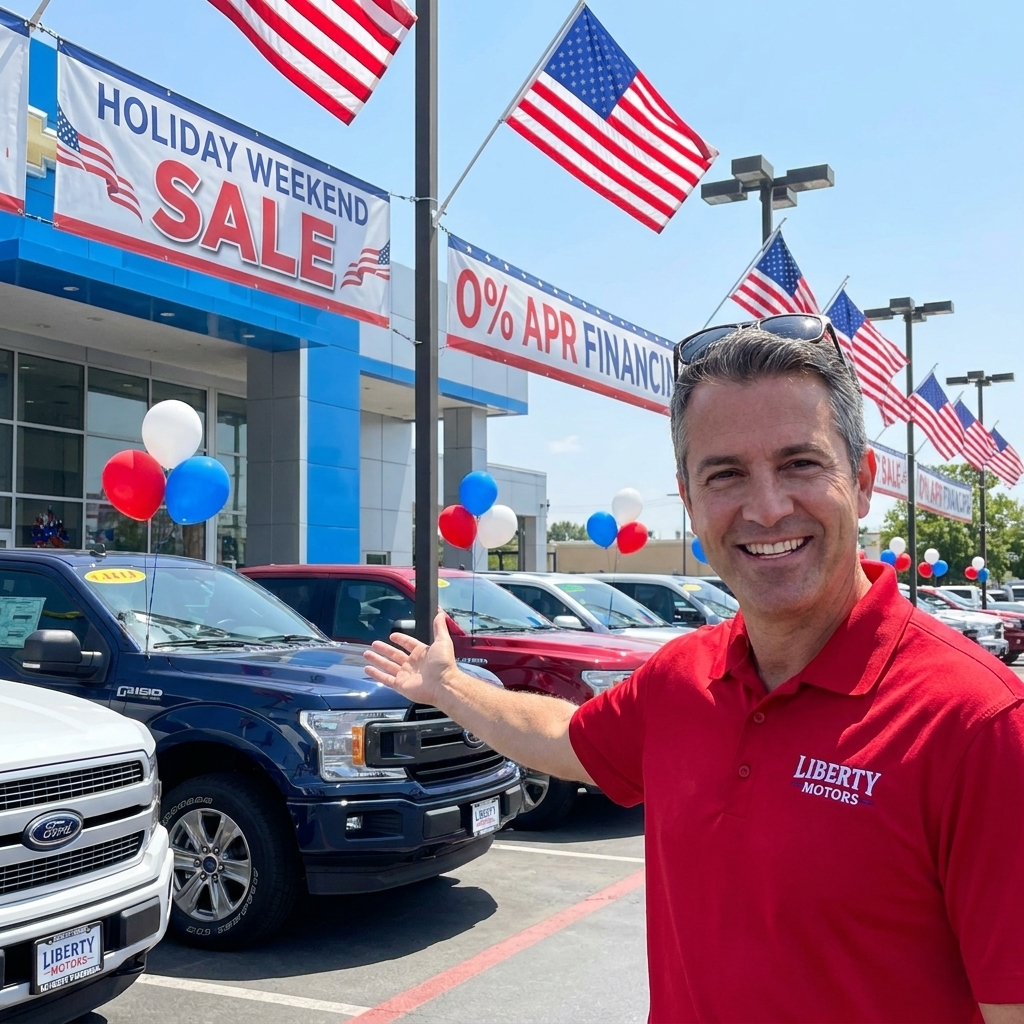
Holiday weekends can be legitimately good times to buy, mainly because dealers advertise heavily and try to drive traffic. The key is to focus on your out-the-door number, not the “$X off MSRP” banner.
1) End of year (late December)
This is the strongest combination of holiday advertising plus real deadline pressure.
2) Memorial Day
Often a big promo weekend and a common time for manufacturer incentives. Selection can be solid, but pricing may not match December unless a model is overstocked.
3) Labor Day
Good for model-year transition shopping. You can sometimes land a strong deal on outgoing models.
4) Fourth of July
Can be decent, but it is also peak shopping season in many areas. Deals are often more marketing-driven than deadline-driven.
5) Presidents’ Day
Frequently promoted. Results vary a lot by brand and region, but it can be worthwhile if you are already ready to buy.
Best day of the week
If you want a simple rule that works more often than not, it is this: shop when the store is quieter. The main advantage is attention and time, and sometimes that helps pricing because you are not competing with a packed showroom.
- Best days: Monday, Tuesday, or Wednesday often give you more attention, less pressure, and a smoother negotiation.
- Hardest days: Saturday is usually the busiest. If a dealership has a full showroom and phones ringing, they are less motivated to stretch for your deal.
What about Sunday? In several states, dealerships are closed on Sundays due to local laws. Where they are open, Sundays can be busy because it is a common day off for shoppers. Check your local rules and store hours before you plan a trip.
Best time of the month
Month-end matters because most dealerships track performance in monthly buckets, and managers care about finishing strong. Still, treat it like leverage, not a promise. If the car is rare or inventory is thin, month-end pressure can be limited.
Best timing: Aim for the last 3 to 5 days. If you have to shop on a weekend, the last Saturday can work. Otherwise, the combination I like best is a weekday in the final week.
Why it can work:
- Sales teams are trying to hit unit targets
- Managers can be more willing to approve thinner deals to move inventory
- Dealers want to avoid carrying older inventory into the next month
The single best window
If you want to stack the deck, combine the biggest timing factors:
- Late December
- Last 3 to 5 days of the month
- On a weekday
That is when you are most likely to meet a motivated sales manager, a store chasing a target, and a dealer that wants to clear older inventory before the calendar flips.
What can override timing
Even perfect timing cannot beat certain realities. A few factors that can blunt seasonal deals or change what “best” looks like:
- Hot models and fresh redesigns: When demand is high, discounts are usually minimal.
- Inventory shortages: Fewer cars on the lot usually means less flexibility on price.
- Interest rates and incentives: In a high-APR environment, a manufacturer special rate can be worth more than an extra few hundred off the price. Always compare the full cost of financing, not just the discount.
- Geography: Fees, taxes, and incentives vary by state and even by metro area. What is a great deal in one market can be average in another.
Before you show up
Timing helps, but your prep is what turns “maybe a deal” into real savings.
Get preapproved first
Walk in with a preapproval from your bank or credit union if you can. You can still let the dealer try to beat it, but you will know what “good financing” actually looks like.
Negotiate out the door
Always push for an out-the-door number that includes taxes, fees, and add-ons. It keeps the conversation honest.
Use competing quotes
Email or text a few dealerships for written quotes on the same trim. It is one of the cleanest ways to create real competition without spending all day driving around.
Separate the trade-in
Get a baseline offer for your trade from at least one other source. Then negotiate the new car price and trade value as two separate line items.
Confirm incentive eligibility
Some incentives depend on location, financing choice, military or student status, or owning a qualifying brand. Verify what you actually qualify for before you assume a deal applies to you.
Be ready to walk
End-of-month or end-of-year pressure works both ways. If the numbers are not there, leave your phone number and go. Dealers often call back when the desk manager takes one more look.

When not to buy
Sometimes the best savings move is waiting a few weeks.
- When a model is brand-new and in high demand: If a hot redesign just landed, discounts are often minimal.
- When inventory is tight: Fewer cars on the lot usually means less flexibility on price.
- When you are rushed: A deadline on your side, like a car that just died, can lead to overpaying. If you can rent for a week or borrow a car, you may save more than the rental costs.
Quick cheat sheet
- Best month (often): December
- Best specific window (often): December 26 to December 31
- Best days of the month: Last 3 to 5 days
- Best days of the week: Monday to Wednesday
- Best holidays: Year-end, Memorial Day, Labor Day
- Best time for leftover new models: Late summer through fall changeover (varies by brand)
FAQ
Is it better to buy at the end of the month or end of the year?
If you have to pick one, end of the year often offers the strongest discounts because it stacks more deadlines. If you can combine both, late December at month-end is usually the best of both worlds.
Do dealerships really discount more right before closing?
Sometimes, but it is not magic. Near closing, you might get faster decision-making from management, but you can also get rushed. I would rather shop a quiet weekday afternoon when everyone is focused and motivated.
What about buying in the rain or bad weather?
Bad weather can reduce foot traffic, which can help your leverage. Just do not let a miserable day push you into skipping the test drive or the inspection steps.
Will I always get the best deal on a holiday weekend?
No. Holiday promos can be real, but the best deals come when dealer urgency meets your readiness. If you show up preapproved, focused on out-the-door pricing, and willing to walk, holiday timing can be a big plus.