A mechanic’s guide to octane ratings, engine knock, compression, turbos, and how to tell if your car actually needs premium fuel.
If you want better gas mileage, you don't need a miracle fuel additive or a new car. In most cases, the biggest gains come from a few habits behind the wheel and a handful of small maintenance checks you can knock out in your driveway. I've seen everyday drivers pick up a noticeable bump in MPG just by fixing the basics and driving a little smoother, especially if their starting point was rough.
Below are the changes that consistently move the needle for everyday drivers, whether you commute in a compact sedan, haul kids in a crossover, or drive a half-ton pickup.

MPG killers
Your engine burns fuel to overcome three main things: weight, rolling resistance, and air resistance. Add stop-and-go traffic and short trips where the engine never fully warms up, and your MPG can tank fast.
- Stop-and-go driving: every time you brake, you throw away momentum you paid for with fuel.
- High speeds: aerodynamic drag rises quickly as speed increases, so 75 to 80 mph often costs a lot more fuel than 65 to 70.
- Underinflated tires: more rolling resistance, more heat, more fuel burned.
- Neglected maintenance: dirty filters, worn plugs, dragging brakes, and the wrong oil viscosity or overdue oil changes can all add up.
- Extra load and roof cargo: weight hurts in town, roof racks hurt on the highway.
Driving habits that work
Drive like there's an egg under the pedal
Aggressive acceleration is one of the fastest ways to burn extra fuel. You don't have to be slow, just be deliberate. Roll into the throttle, aim for steady acceleration, and avoid rabbit starts from lights.
- City driving: accelerate briskly but not aggressively, then settle into a steady speed.
- Hills: maintain a little momentum before the hill instead of flooring it halfway up.
Brake less by looking farther ahead
This is the big one. Leave space, scan 10 to 15 seconds ahead, and try to time lights so you're easing off instead of charging up and slamming the brakes. Momentum is free once you've got it.
- Coast early toward red lights and stopped traffic.
- On exits, lift earlier and coast longer instead of staying on throttle and braking hard at the end.
- If your car has an eco gauge, use it as a coach, not a rule.
Use cruise control smartly
On flat highways, cruise control can help hold a steady throttle and improve MPG. In hilly terrain, it may overcorrect and use more fuel than a human foot. If you notice it downshifting hard on every grade, consider driving manually and letting speed vary slightly on hills.
Slow down on the highway
Many vehicles hit a fuel economy sweet spot around 50 to 65 mph, but it varies with gearing, engine, and aerodynamics. Past that, wind resistance ramps up fast. Dropping from 75 mph to 68 mph can feel minor, but the fuel savings are often obvious over a full tank.
Cut idle time
Idling gets 0 mpg. If you're parked and you know you'll be waiting more than a minute or two, shut it down if it's safe and legal to do so and you are not going to compromise visibility, defrosting, or cooling for passengers or pets. Modern starters and batteries can handle frequent starts, especially on vehicles equipped with factory auto start-stop systems.
Easy aero wins
Air is a big load at highway speed. If you do a lot of freeway miles, aero tweaks can be worth more than you think.
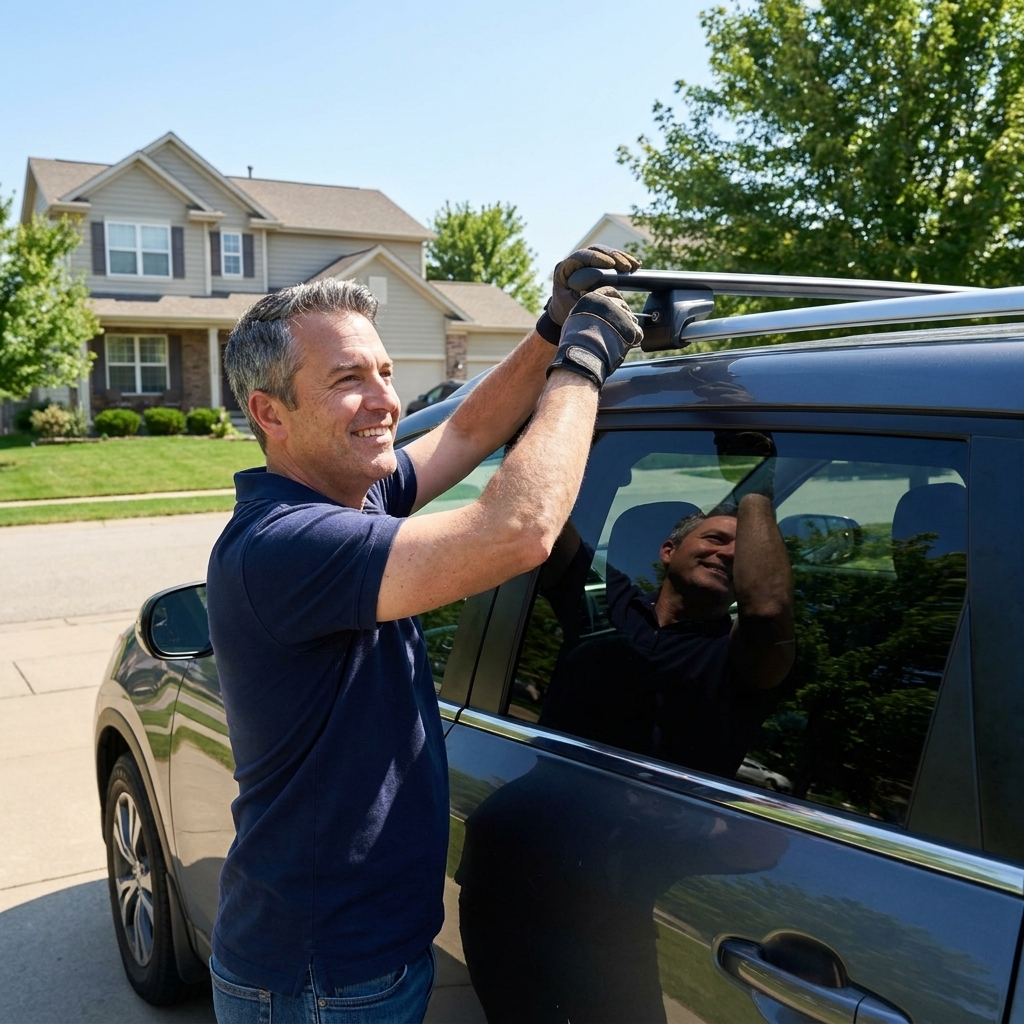
Lose the roof rack when you're not using it
Roof crossbars, cargo boxes, and bike racks add drag even when they're empty. If you only use them on weekends or seasonally, take them off between trips.
Keep windows up at speed
At city speeds, windows down versus A/C is a wash and depends on the vehicle. At highway speeds, open windows usually add enough drag to cost fuel. If you're cruising above about 45 to 50 mph, windows up tends to be the more efficient move.
Tailgate up or down
On many pickups, driving with the tailgate up is typically as good or better than tailgate down because the bed can form a relatively stable air pocket. Results vary by truck, bed length, and accessories. If you want to test it, run the same route at the same speed with the same load and compare tank-to-tank or use the vehicle's trip MPG. A tonneau cover can help on some trucks, but the biggest fuel wins usually come from speed reduction and tire pressure.
Maintenance that pays
This is the stuff I used to check first at the shop because it's common, measurable, and usually affordable.
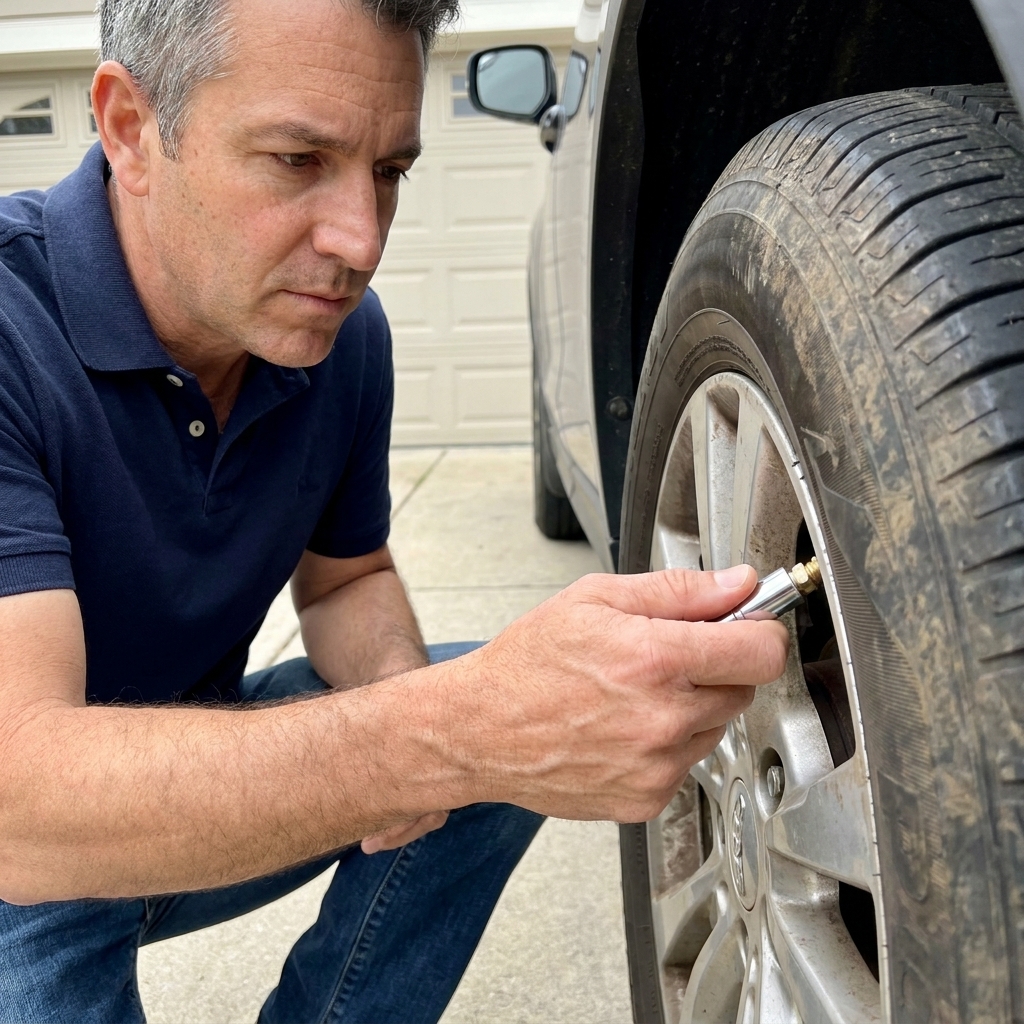
Set tire pressure correctly
Underinflated tires increase rolling resistance and heat, and they can wear out faster too. Use the sticker in the driver door jamb for the correct pressure, not the max PSI on the tire sidewall.
- Check pressure when tires are cold, ideally first thing in the morning.
- If the seasons change where you live, expect pressure to drop when temperatures drop.
- If your TPMS light comes on, don't ignore it. It's often costing you MPG.
Get an alignment when it pulls
A misalignment can scrub tires against the road. That wastes fuel and chews through tread. If your steering wheel is off-center, the car drifts, or you see feathered wear, get it checked.
Replace a clogged air filter
On most modern cars, a slightly dirty filter isn't a big MPG killer. A truly clogged filter can be. If it looks packed with debris and you can't see light through much of it, replace it.
Use the right oil grade
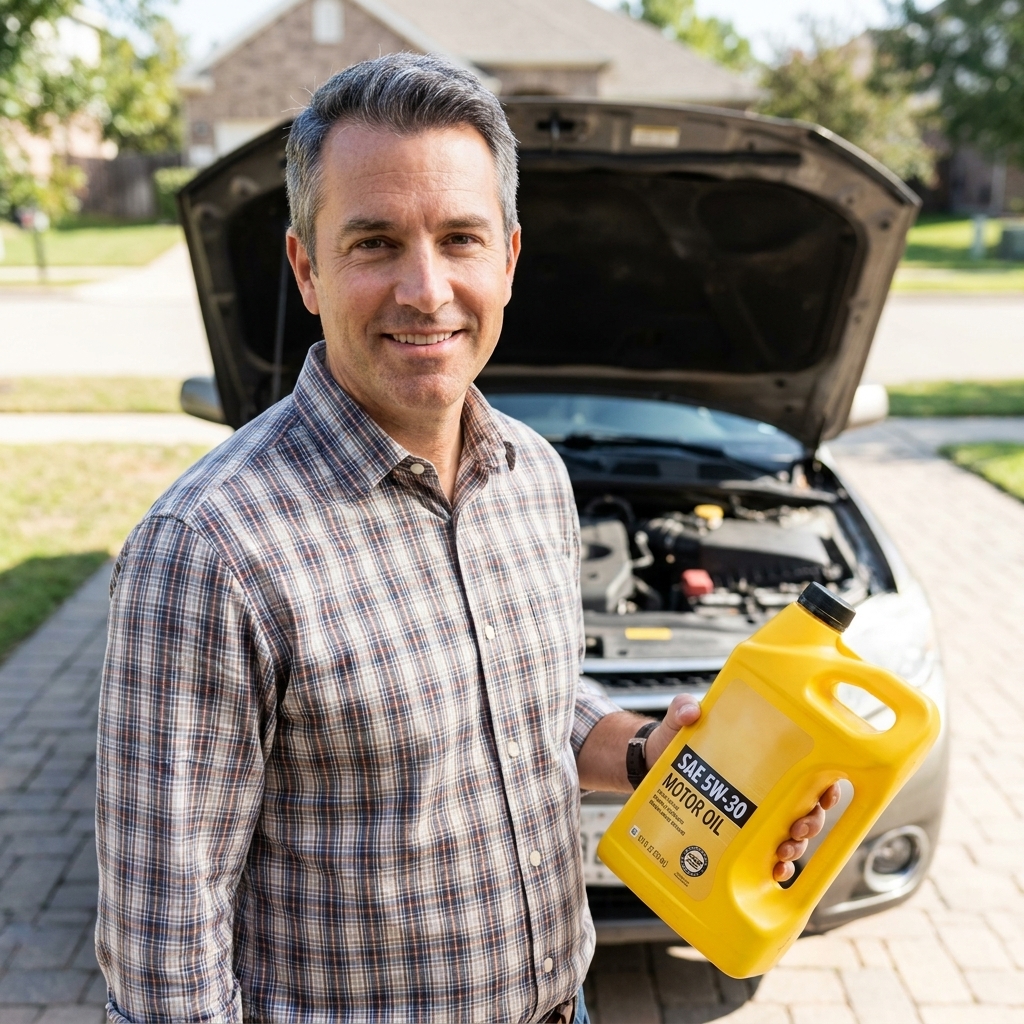
Stick to the viscosity listed in your owner's manual. Thicker oil than specified can increase friction and reduce efficiency, especially in cold weather. If your manual calls for 0W-20, there's a reason.
Stay on top of spark plugs
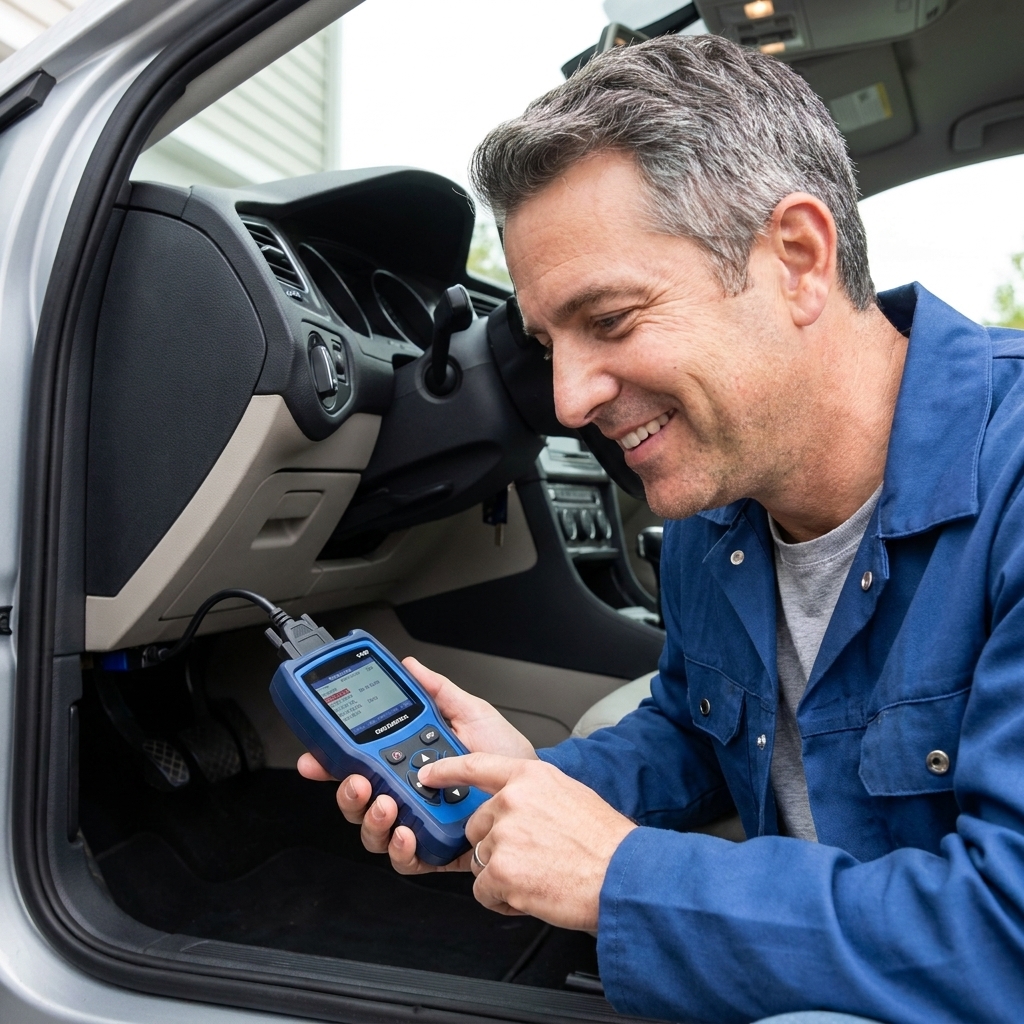
Worn spark plugs, weak coils, and misfires can crush fuel economy. If your check engine light is on, you're almost always losing MPG, sometimes dramatically. Common culprits include misfires, a failing oxygen sensor, and a thermostat stuck open that keeps the engine running too cool. Even without a warning light, if you notice rough idle or hesitation, get it diagnosed.
Fix dragging brakes
A sticking caliper or parking brake that doesn't fully release turns fuel into heat. Warning signs include a hot wheel after a short drive, a burning smell, the car pulling, or a sudden MPG drop.
Mind your tire choice
Tires matter more than most people think. Aggressive all-terrain or mud tires can cost MPG because they are heavier and have more rolling resistance. If your priorities are commuting and fuel economy, look for low rolling resistance touring tires when it's time to replace them.
Trip planning
Combine errands and avoid cold starts
Short trips are brutal for MPG because the engine and catalytic converter aren't up to temperature. If you can combine errands into one longer drive instead of three short ones, you'll usually see better fuel economy.
Choose routes with fewer stops
An extra mile at a steady speed can be more efficient than a shorter route with ten lights. If you have options, pick the route with fewer full stops and less congestion.
Don't carry what you don't need
Extra weight hurts most in city driving. Clean out the trunk, cargo area, and especially tool kits you never use. Keep emergency gear, ditch the extras.
A/C, heat, Eco mode
Use A/C strategically
A/C uses energy, but so does pushing more air out of the way with open windows at speed. A good rule:
- City speeds: use what's comfortable. The MPG difference is usually small.
- Highway speeds: windows up often helps MPG, and moderate A/C is fine.
Eco mode can help
Eco mode typically softens throttle response and may adjust shift points on automatics. If you tend to drive with a heavy foot, Eco mode can keep you from accidentally over-accelerating. If you already drive smoothly, it might not change much.
Skip long warm-ups
Modern engines don't need long idle warm-ups. In cold weather, start the car, give it a few seconds to stabilize, then drive gently until it warms up. If you remote start for comfort, keep it short.
Hybrids and EVs: watch cabin heat
If you drive a hybrid or EV, cabin heat can hit efficiency harder than A/C, especially in freezing weather. Seat heaters and steering wheel heat often use less energy than blasting full cabin heat, and preconditioning while plugged in can make a big difference.
Weekend MPG checklist
- Set all four tires to the door-sticker PSI.
- Remove roof crossbars or a cargo box if you're not using them.
- Check engine air filter condition.
- Make sure the check engine light is off. If it's on, get the codes read.
- Take a 10-minute test drive with one goal: accelerate smoothly and brake less.
- On your next highway trip, drop cruising speed by 5 mph and compare tank-to-tank MPG.
FAQ
How much can better driving habits improve gas mileage?
It depends on your starting point, your route, and your vehicle, but a 10 to 20 percent improvement is realistic for many drivers who go from aggressive stop-and-go habits to smooth acceleration, longer following distances, and lower highway speeds.
Do fuel additives increase MPG?
Most don't deliver meaningful, repeatable gains in normal daily driving. If your car has a specific issue like injector deposits, a quality cleaner can help restore performance, but it's not a substitute for maintenance or driving changes.
Does premium gas improve fuel economy?
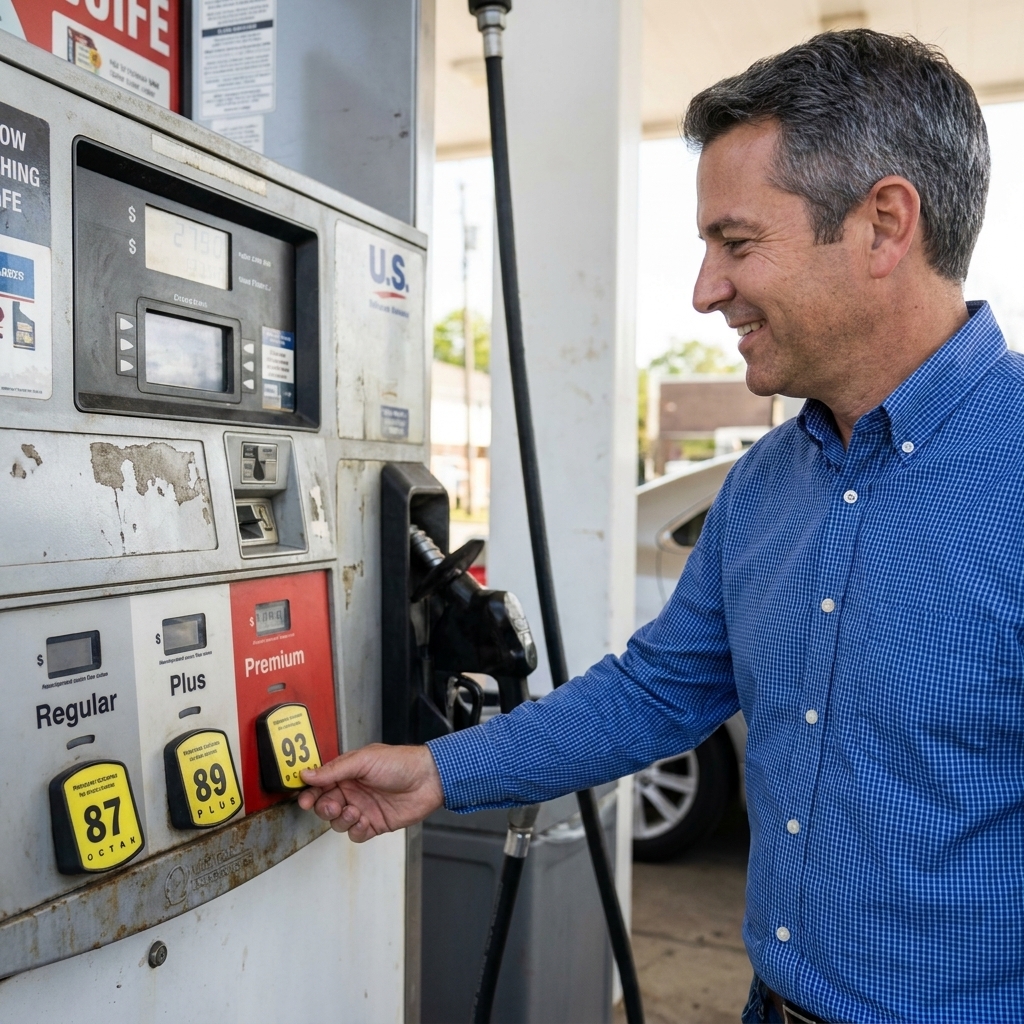
If your vehicle is designed for regular, premium usually won't improve MPG enough to offset the higher price, and often it won't improve it at all. Use the octane your owner's manual recommends.
What's the single best maintenance item for MPG?
Tire pressure is the easiest and most overlooked. After that, addressing a check engine light and fixing dragging brakes are the big ones because they can cause major MPG drops.
Are hybrids and EVs affected by these tips too?
Yes. Smooth driving, proper tire pressure, and reduced drag help everything. Hybrids also reward gentle braking and smart coasting because they can recapture energy through regenerative braking, but they still can't recover all of it, so momentum management matters.
Want more tailored advice? Share what you drive and what your commute looks like in the comments, and I'll point you toward the two or three changes that usually make the biggest difference for your situation.