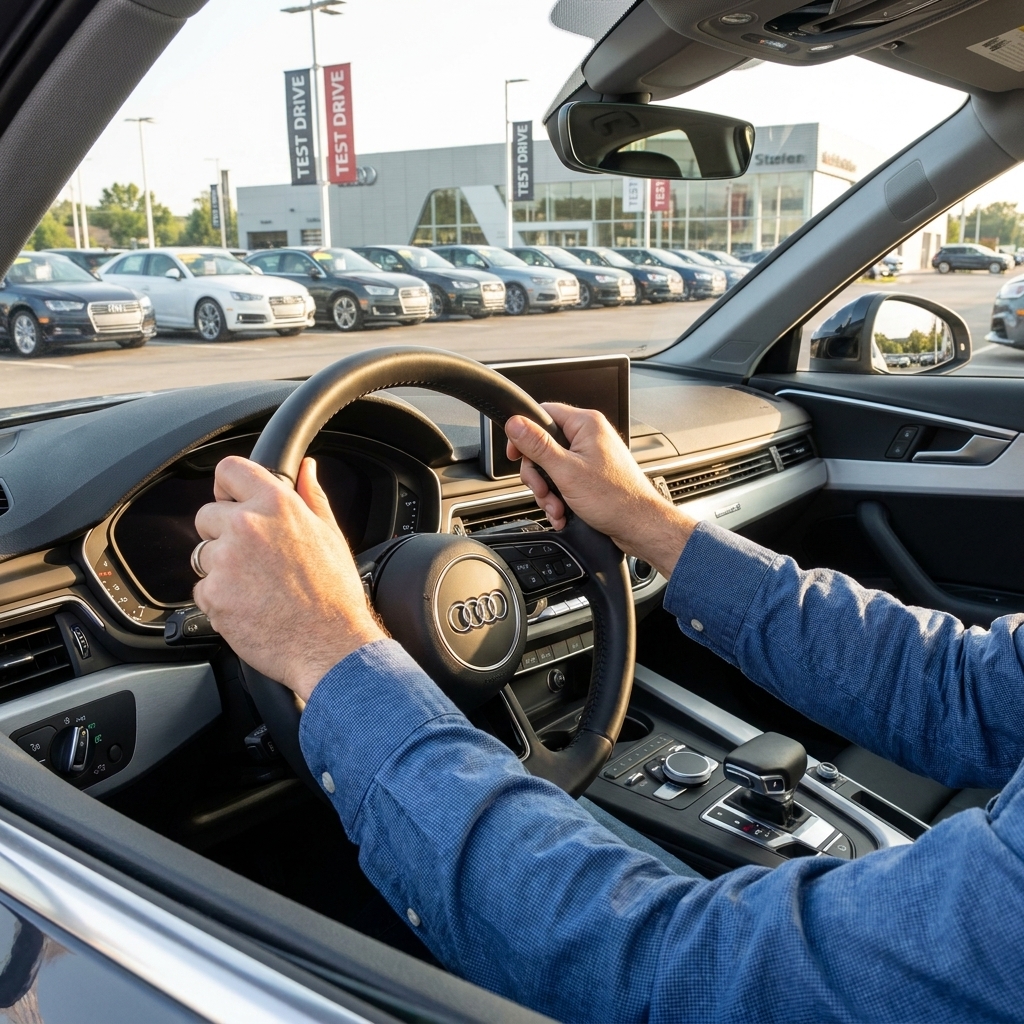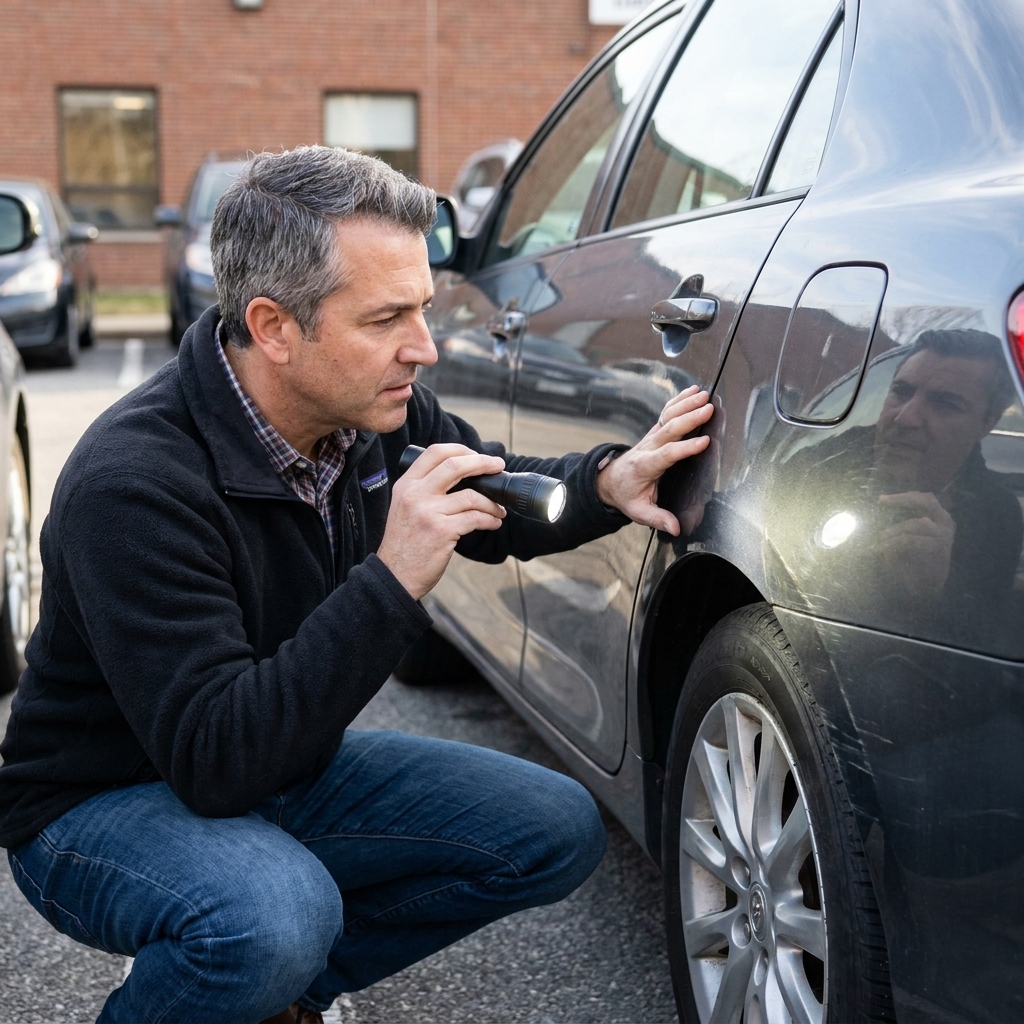
A mechanic-writer’s step-by-step checklist to raise your trade-in offer: quick fixes, deep cleaning, paperwork, pricing, timing, and negotiation tactics.
If you want top dollar for your car, you do not need to “restore” it. You need to remove the red flags that make people nervous, and spend your time and money where it actually moves the needle. After years in independent shops, I can tell you exactly what makes a used car feel cared-for versus “probably hiding something.”
Below are five proven strategies I recommend to friends and family before they trade in or list a car privately, plus a quick checklist you can run the weekend before showings.
1) Clean it up: detail smart, not fancy
Cosmetics sell cars. When someone sees haze on the headlights, brake dust caked on the wheels, and crumbs in the cupholders, they start discounting your price, even if the car runs perfectly.
High-ROI detailing steps
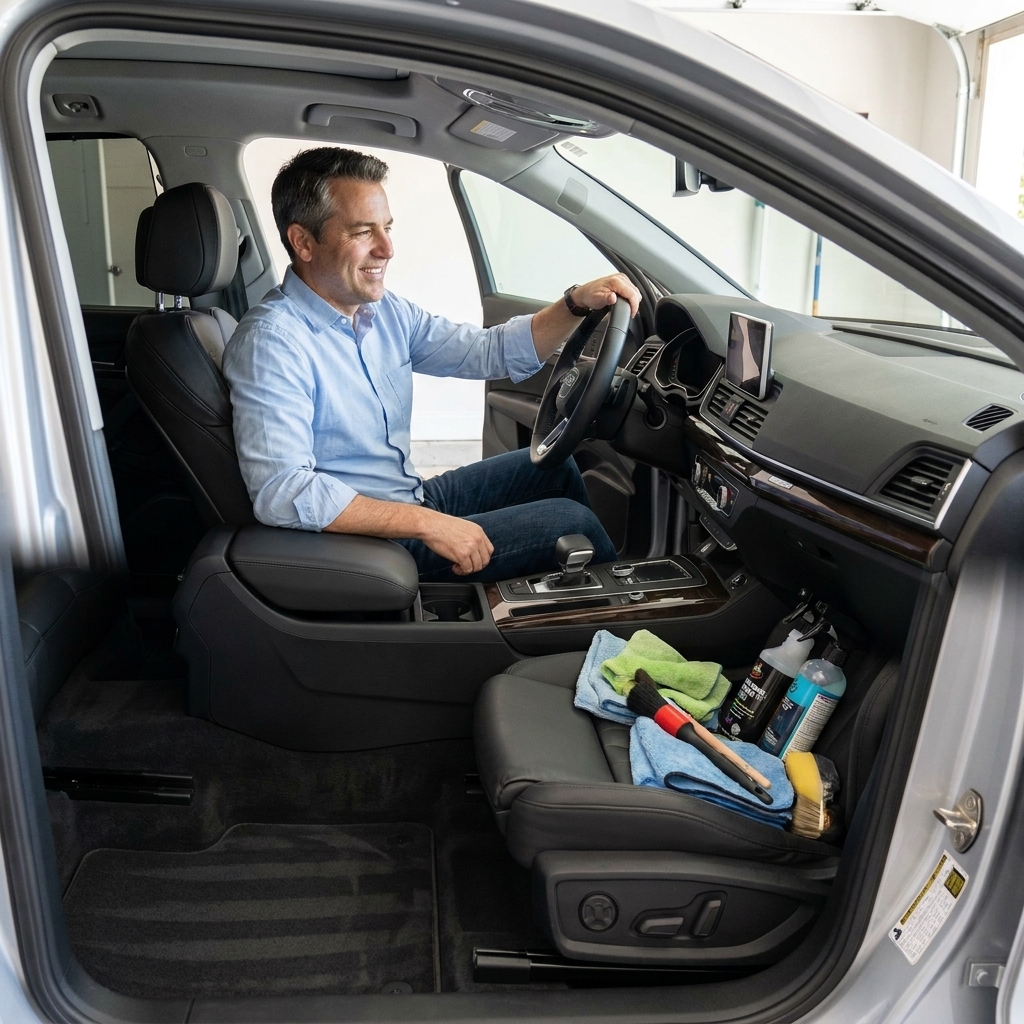
- Deep clean the interior: Vacuum seats and carpet seams, wipe plastics with a non-greasy interior cleaner, and clean the inside of windows. Odors (smoke, pets) are resale killers, so start with an odor neutralizer and a fresh cabin air filter. If the smell is embedded in the headliner or carpets, you may need professional enzyme cleaning or ozone treatment to truly fix it.
- Wash and decontaminate the paint: A proper hand wash plus a quick spray sealant makes paint look sharper in photos and in-person. If the paint feels rough, a clay bar can help, but follow directions and use plenty of lubricant.
- Clean the wheels and dress the tires: Wheels telegraph maintenance habits. Clean them thoroughly and apply a modest tire dressing, not the dripping, sling-all-over gloss.
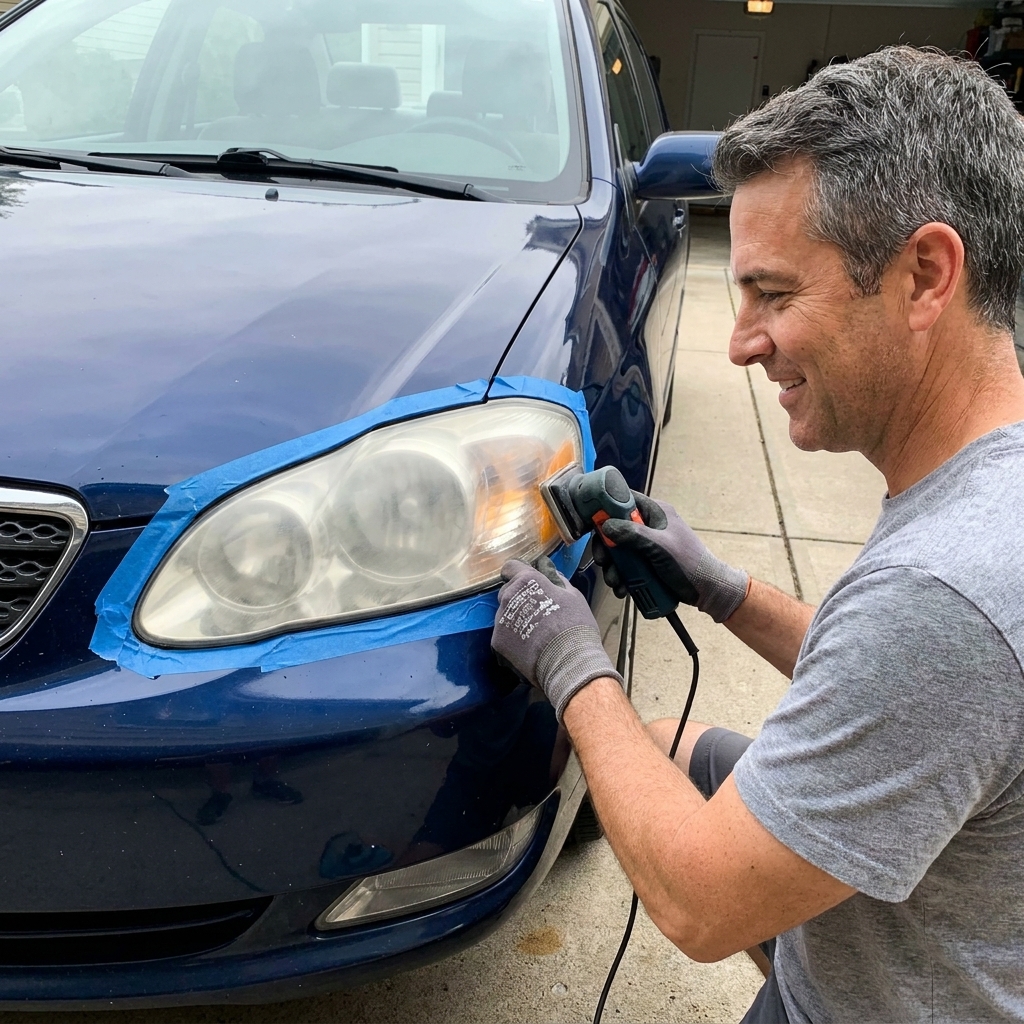
- Headlight restoration: Cloudy headlights make a car look older than it is and raise “was it neglected?” questions. A basic restoration kit often pays for itself on many daily drivers, but durability depends on prep and UV protection. If the kit includes a UV sealant, use it, or the haze can come back.
What not to waste money on
- Expensive ceramic coatings right before selling, unless your car is a higher-end model where buyers expect it.
- Repainting whole panels for minor scuffs. Fresh paint can raise questions about past damage. If you do repaint, keep documentation and before photos so you can explain it confidently.
- “Miracle” products that claim to permanently remove scratches in minutes.
2) Fix the small stuff people notice
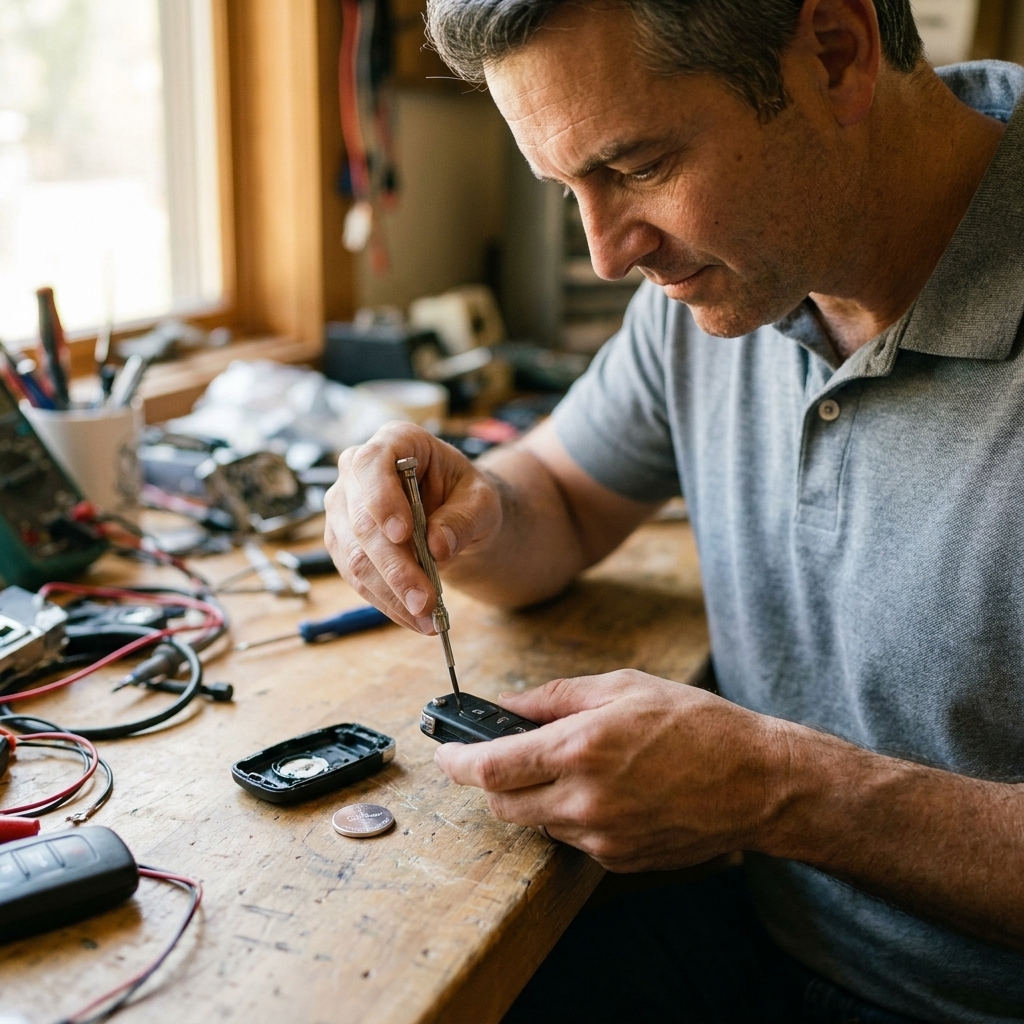
Most shoppers cannot diagnose a misfire, but they do notice a burned-out bulb, a cracked key fob, or a missing trim piece. These are low-cost fixes that keep them from mentally compiling a repair list and subtracting it from your asking price.
Quick wins that usually pay back
- Replace burned-out bulbs (headlights, brake lights, plate lights, interior lights).
- Repair chips and small cracks in the windshield if it makes sense for your situation. Many policies have separate glass coverage, but rules vary by insurer and state, and a claim can still be a paper trail. Check your terms and deductible before you file. A chip that can be filled looks responsible. A spreading crack looks like a negotiation tool.
- Replace wiper blades and top off washer fluid. It sounds silly until someone test-drives in drizzle.
- Replace missing floor mats or at least clean what you have thoroughly. Torn, filthy mats cheapen the whole cabin.
- Touch up paint chips on the hood and door edges to reduce the “peppered” look.
- Fix warning lights properly (more on that below). Do not clear codes and hope for the best.
Two turnoffs to avoid
- Aftermarket mods right before selling: Cheap LEDs, loud exhausts, bargain wheels, and tinted lights narrow your buyer pool.
- Cover-ups: Stop-leak in the cooling system, thick additives to quiet engine noise, and other band-aids can backfire during inspection and create trust issues. If something is leaking or failing, it is better to fix it or price the car accordingly and disclose it.
3) Show maintenance with records
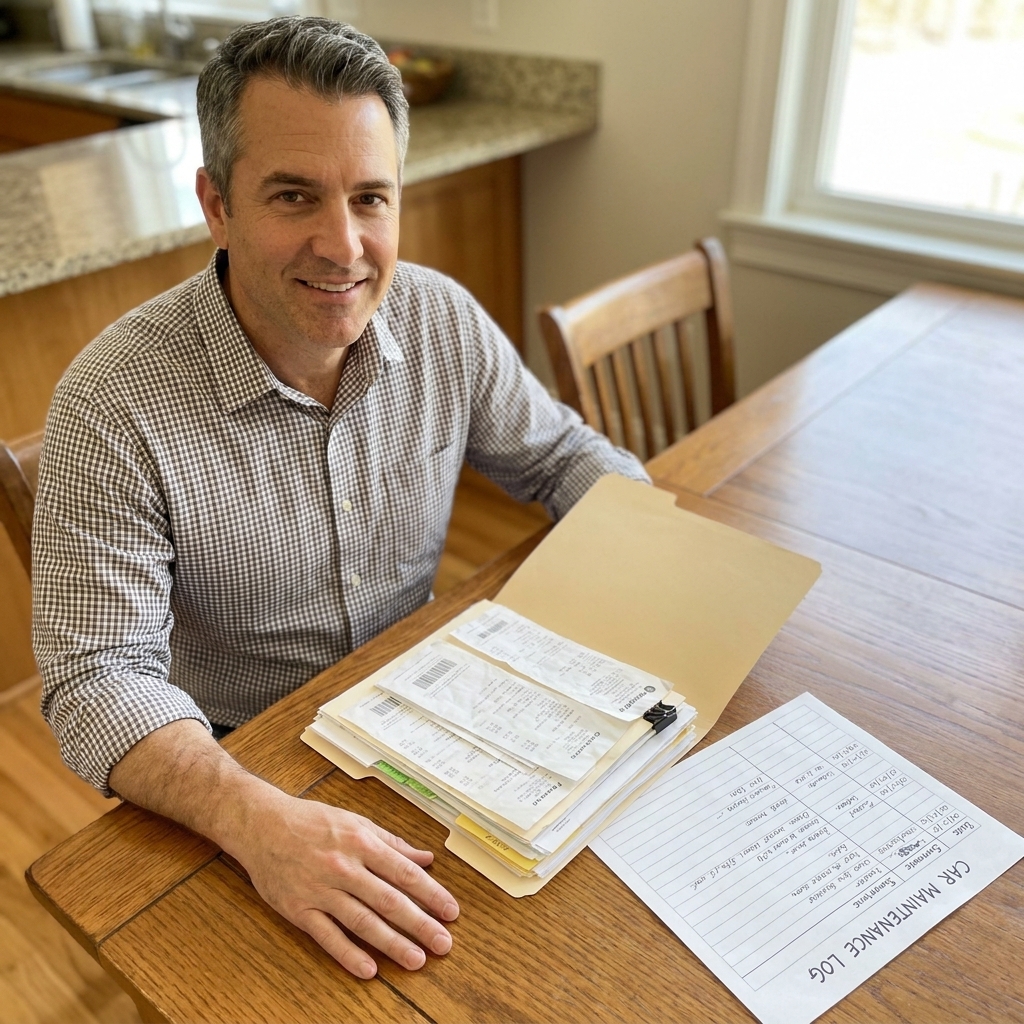
In my shop days, the easiest cars to sell were the ones with a boring paper trail. People pay for confidence, and nothing builds confidence like documentation that answers their next ten questions.
What to gather before you list
- Service and repair receipts: Oil changes, brakes, tires, alignments, battery, and any major work.
- Proof of timing belt service if your engine uses one. If you cannot prove it was done, most will assume it was not.
- Warranty paperwork for newer parts (battery, tires) if transferable.
- Owner’s manual and both key fobs if you have them.
- A vehicle history report plan: Many serious buyers will pull Carfax or AutoCheck. It helps to know what it will show, and to be ready to explain any accidents, title events, or mileage entries with receipts and context.
How to present it so it helps your price
- Make a simple one-page summary in chronological order: date, mileage, what was done.
- Match receipts to the summary in a folder. Digital copies are fine, but a neat folder at the test drive is a trust shortcut.
- Be transparent about past issues and fixes. “AC compressor replaced last summer, blows cold” is reassuring. Dodging questions is not.
4) Handle the test-drive basics
You do not need to preemptively rebuild anything. You do need the car to start easily, idle smoothly, drive straight, stop smoothly, and show no scary lights on the dash. That is what people remember.
Mechanical checklist with strong ROI
- Oil change if you are due soon: Fresh oil is cheap reassurance. If you are not due, do not waste it, just show the last receipt.
- Fix check engine lights the right way: If the light is on, expect a big discount. Get it diagnosed, repair it, and keep the invoice. A cleared code that comes back during a test drive is a deal-killer. In areas with emissions testing, clearing codes can also reset readiness monitors, which can cause an inspection failure until the car completes drive cycles.
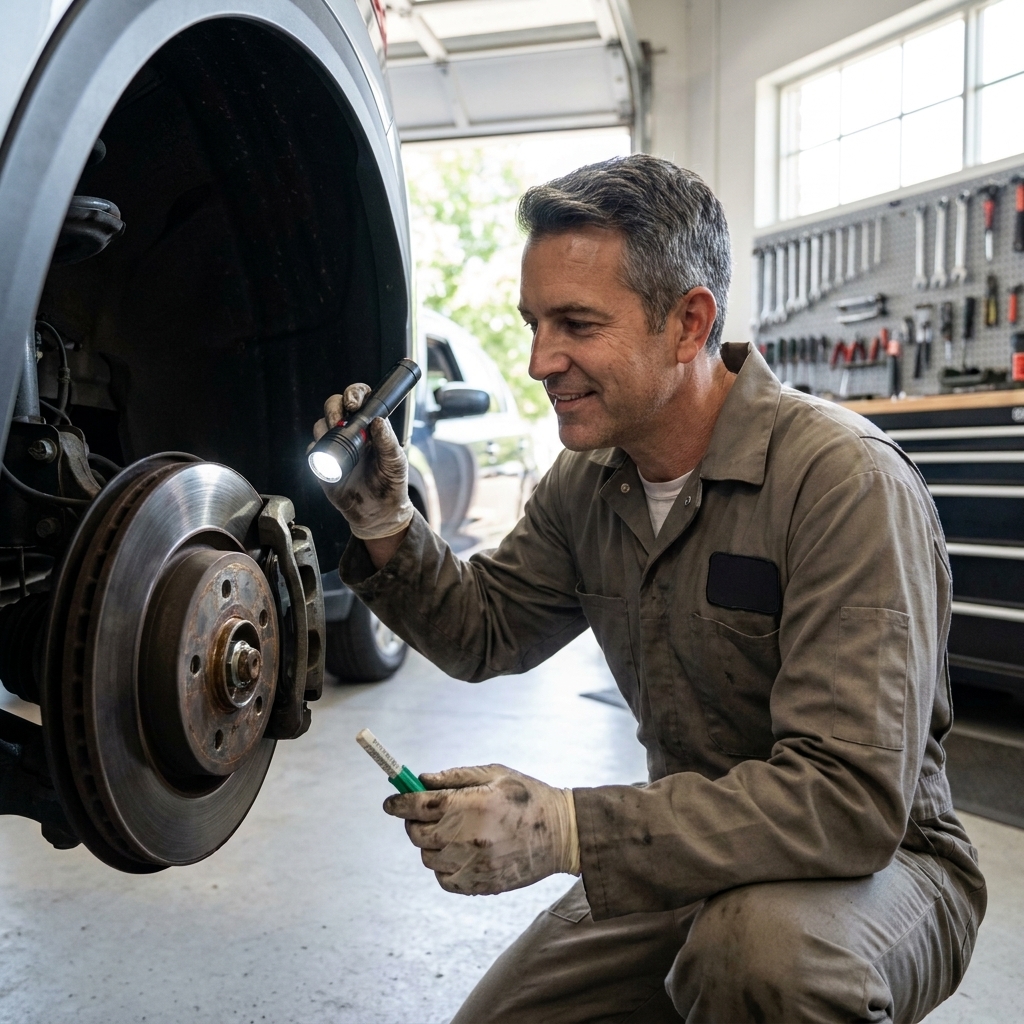
- Address braking feel: Brake pulsation or squealing makes people think “expensive.” If pads or rotors are near the end of life, replacing them can pay back in a smoother sale.
- Match tires and ensure safe tread: A mismatched set can signal corner-cutting. Sometimes it is just the reality of a single tire replacement after a puncture. If that is the case, explain it and try to keep tires the same size, and ideally the same model on an axle. Either way, worn or unsafe tires will reduce offers. At minimum, set pressures correctly and make sure the car does not pull.
- Fix obvious leaks: A wet oil pan or power steering mess in the driveway invites lowball offers. Some seepage on older cars is normal, but visible drips are negotiation fuel.
- AC and heat must work: Climate control problems are expensive and immediately noticeable. If your AC is weak, have it diagnosed. Sometimes it is simple, sometimes it is not, but you need to know before someone uses it as leverage.
Spend money where it shows
If you are debating between an invisible repair and one that affects the drive, choose the drive. A quiet suspension, straight tracking, and smooth braking do more for perceived value than almost anything else.
5) Sell it like a pro
Two identical cars can sell for different money based on presentation and process. This is where private sellers leave cash on the table.
Trade-in vs private sale
- Trade-in: Faster, less hassle, typically less money.
- Private sale: More money, more time, more coordination and safety planning.
Pricing and listing basics
- Check real comps: Look at similar mileage and trim on Marketplace, Autotrader, Cars.com, and local listings, not just book values. KBB and Edmunds can help you bracket a range, but local demand sets the final number.
- Choose the right time to list and show: Daylight and good weather matter for photos and test drives. A clean car looks twice as good in natural light.
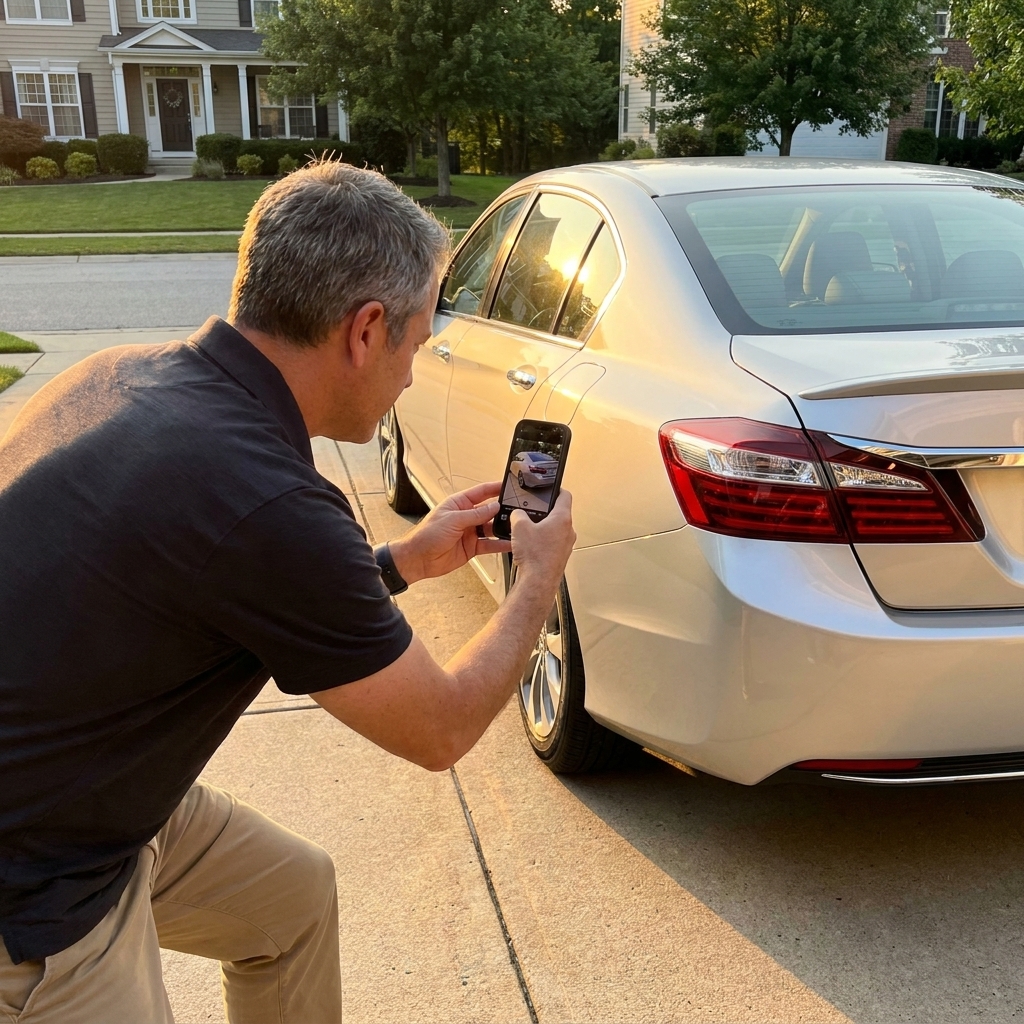
- Take honest, crisp photos: Clean background, no clutter. Show all angles, wheels, interior, odometer, and any flaws up close. Hiding imperfections wastes time and makes people suspicious.
- Write a straight description: Year, trim, mileage, maintenance highlights, tire life, and any known issues. Calm confidence sells.
- Set your price with room to negotiate: Most expect some movement. Price too high and you sit. Price too low and people assume something is wrong.
Paperwork and payment
- Know your title situation: If you have the title, great. If there is a lien, call the lender first and understand the payoff process and how the title gets released. This is a common snag that delays sales.
- Bill of sale rules vary: Some states require it, some do not, and some need emissions or safety paperwork. Check your DMV requirements before you list so you can close the deal smoothly.
- Use safe payment practices: Cashier’s check scams are real. For larger amounts, consider meeting at the buyer’s bank to verify funds, or use a method your bank can verify on the spot. Do not hand over the title or keys until payment is confirmed.
Private-sale safety
- Meet smart: Use a public place or a police station safe-exchange zone if your area has one. Bring a friend if possible.
- Protect the test drive: Verify a driver’s license, ride along, and keep your keys and phone on you. Have a planned route.
- Expect an inspection: A buyer who wants a pre-purchase inspection is usually serious. If your car is solid, an inspection often helps your sale.
Quick pre-sale checklist
- Wash exterior, clean wheels, clean glass inside and out
- Vacuum and wipe down interior, remove personal items
- Replace cabin air filter, neutralize odors (consider pro help for severe smoke or pet smells)
- Restore hazy headlights if needed and apply UV sealant if included
- Check all lights, wipers, and fluids
- Confirm no warning lights are on, or bring repair invoices if they were addressed
- If emissions testing applies, avoid last-minute code clearing that resets readiness monitors
- Set tire pressures and make sure the spare and jack are present
- Gather records, keys, manuals, and a simple maintenance summary
- Confirm title status or lien payoff steps before scheduling showings
FAQ
Is detailing worth it before selling?
Almost always, yes. A thorough clean and a basic detail can return far more than it costs because it increases confidence and makes your car photograph well. You do not need luxury-level paint correction for most daily drivers.
Should I fix a check engine light before selling?
If you want maximum resale value, yes. A check engine light scares away cautious shoppers and gives everyone else negotiating power. Get a diagnosis, fix it correctly, and keep the receipt. Also, do not just clear codes, especially if your area requires emissions testing.
Do service records really increase value?
They increase trust, which increases offers and reduces haggling. A well-documented car also sells faster because people feel safer committing.
What repairs usually do not pay back?
Big-ticket cosmetic work (full resprays), performance mods, and “while we’re in there” repairs you cannot easily prove or that someone will not notice on a test drive. Focus on cleanliness, function, and documentation.