A clear, real-world breakdown of leasing versus buying, including costs, mileage, maintenance, EV incentives, and the best choice for different driving lifes...
I have watched this decision play out countless times in real life. The same driver who swears they will keep a car “forever” ends up trading in three years later because life changes. Meanwhile, the person who leased to “keep payments low” gets surprised by end-of-lease charges and realizes they actually drive more than they thought.
Leasing and buying are both valid paths. The best one depends on how you drive, how long you keep vehicles, how much risk you want, and whether you care more about predictable monthly costs or long-term ownership value.
What you are really choosing
Forget the slogans. The core difference is simple:
- Buying (cash or financing) means you are paying to own the vehicle. Over time, you build equity, and eventually you can have a paid-off car with years of no payments.
- Leasing means you are paying for the portion of the vehicle you use, plus interest and fees. You return it at the end unless you buy it out.
From a financial standpoint, leasing is basically a long-term rental with rules. Buying is an asset that depreciates, but it is still yours to keep, sell, or trade whenever you want.
Monthly payment
Lease payments are often lower because you are financing only the depreciation, not the full purchase price. You are typically covering:
- Depreciation during the lease term (how much value the car is expected to lose)
- Money factor (lease-speak for interest)
- Taxes and fees
Also, some costs can be paid upfront or rolled into the lease payment, depending on the deal. That can include acquisition fees, dealer fees, and sometimes prepaid maintenance or protection products.
Loan payments are higher on the same vehicle because you are paying the entire purchase price (minus down payment), plus interest.
But payment is not the same thing as cost.
If you lease back-to-back for 9 years, you can spend a lot and still never own anything. If you buy and keep a car 8 to 12 years, you often come out ahead on total cost even if the monthly is higher early on.
Total cost
Here is the cleanest way I explain it to people who just want the straight answer.
If you buy
- You pay the purchase price, interest, taxes, and fees.
- You pay maintenance and repairs as the car ages.
- At the end, you have a vehicle with resale value, even if it is modest.
If you lease
- You pay upfront costs, monthly payments, and fees.
- You are usually inside the warranty window, which can reduce repair risk, but you still pay for consumables like tires and brakes.
- At the end, you have no vehicle unless you buy it out.
The most important question is not “What is the monthly?” It is:
- How long will you keep the car?
- How many miles do you really drive?
- Do you want ownership at the end?
Hidden costs
This is where I have seen the most regret, especially with first-time leasers.
Upfront lease costs
That “$0 down” ad rarely means $0 due at signing. Leases commonly include:
- Acquisition fee
- First month payment
- Registration and taxes
- Dealer documentation fee
Putting money down on a lease can also be risky. Any cash you put down as cap cost reduction is usually not reimbursed if the car is totaled, even when GAP covers the payoff amount.
Mileage charges
Leases come with mileage limits. Common allowances are 10,000 to 12,000 miles per year, and 15,000 is also popular, but programs can run lower or higher depending on the lender and the deal. Go over and you can pay per mile at the end. It adds up fast if your commute changes, you take more road trips, or you start driving for work.
Wear-and-tear bills
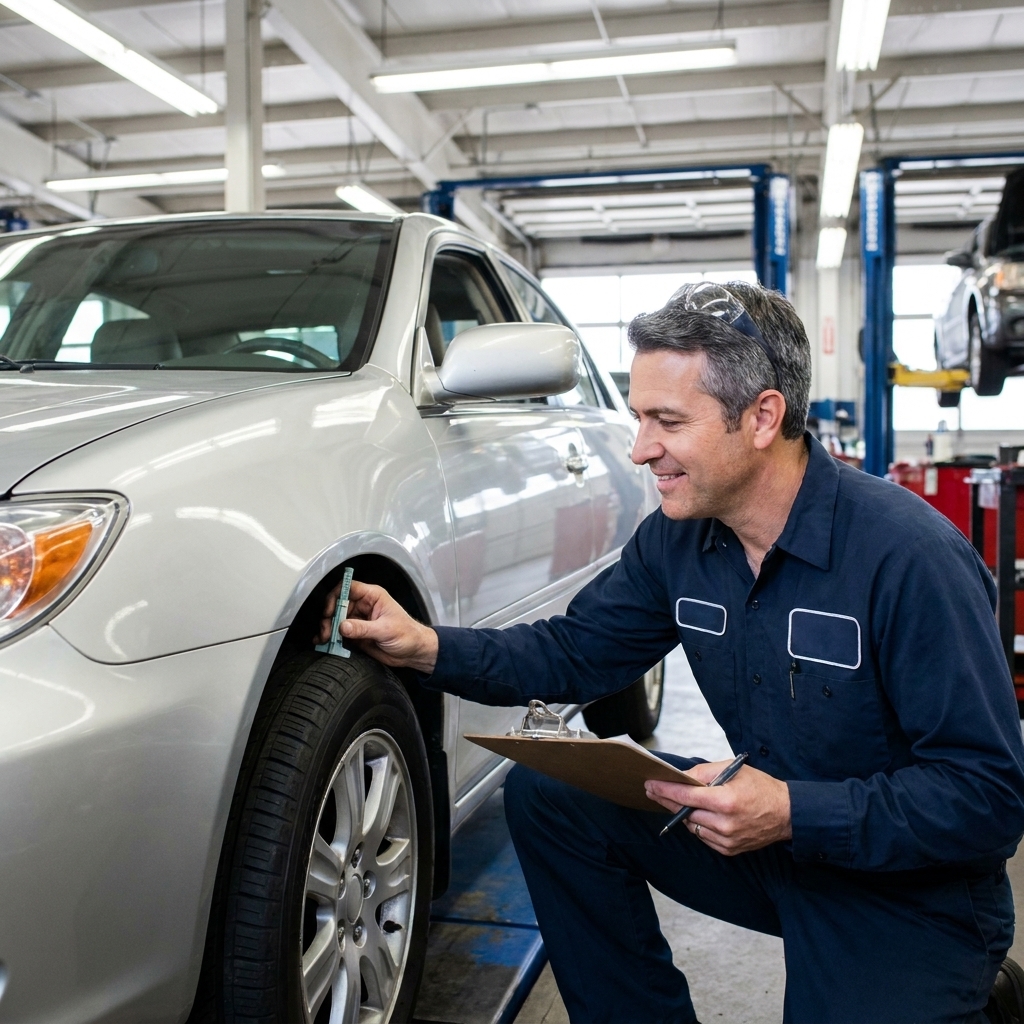
Lease return inspections can flag:
- Tires below a certain tread depth
- Wheels with rash or bends
- Windshield chips or cracks
- Dents, scrapes, bumper damage
- Interior stains or tears
Some of this is fair. Some of it feels picky. Either way, plan on the possibility of a bill if you are rough on vehicles or park on tight city streets.
Disposition fee
Many leases charge a disposition fee when you turn the car in, essentially a processing fee for returning it. Sometimes it is waived if you lease another vehicle from the same brand, but do not assume that.
Insurance requirements
Leasing companies often require higher liability limits plus comprehensive and collision. Exact requirements vary by lessor and state. Buying usually means you still want full coverage if you have a loan, but once you own the car outright you can choose your coverage level. That flexibility has value.
Maintenance and repairs
A lot of people lease because they want a “worry-free” car. You can get close to that, but let’s keep it honest.
With a lease
- You are usually inside the factory warranty window, so major failures are less likely to cost you out of pocket.
- You still pay for routine maintenance unless it is included as a promo.
- You still pay for wear items like tires, brakes, and wiper blades. And you may have to replace tires before turn-in even if you could have squeezed more miles out of them.
With buying
- Early years can be low-stress if you buy new or certified pre-owned.
- Later years can bring real repair costs, but this is where ownership can pay off. A year with a $1,200 repair is still often cheaper than jumping back into another payment.
If you hate surprise repair bills and you always want the latest safety tech, leasing can fit. If you are comfortable maintaining a car and driving it after it is paid off, buying usually wins long-term.
Flexibility
Cars are not just financial products. They are life tools. And life rarely stays on a three-year schedule.
Leasing flexibility
- Pro: Easy exit ramp at the end of the term. Turn it in and move on.
- Con: Getting out early can be expensive. You may owe remaining payments, early termination fees, or negative equity.
- Con: You cannot easily modify the vehicle. Even window tint or aftermarket wheels can become a turn-in issue depending on the lease rules.
Buying flexibility
- Pro: You can sell or trade whenever you want, especially if you have equity.
- Pro: No mileage rules, and modifications are your call.
- Con: If values drop or you financed too much, you can be upside down for a while.
Early exit options
If you are worried about being locked in, it helps to know what your real escape hatches are.
- Lease transfer or assumption: Some leases can be transferred to another driver. Some brands do not allow it, and there may be fees and credit requirements.
- Trade-in or buyout and sell: In some cases, you can buy out the lease (or trade it) early. This can be painless if the car is worth more than the payoff, and painful if it is not. Also note that some lenders restrict third-party buyouts.
- Early termination: Usually the most expensive option. Read this section of the contract before you sign anything.
Who leasing fits best
Leasing can be a smart choice if most of these sound like you:
- You like driving a new vehicle every 2 to 4 years.
- You drive a predictable number of miles and can choose the right mileage program.
- You want newer safety tech and do not want long-term repair risk.
- You have the discipline to treat the car gently, keep it clean, and stay on top of maintenance.
- You are choosing a model with strong resale value, which often supports better lease terms.
It can also make sense for some business use cases, but rules vary a lot. Talk to a tax pro if you are trying to write off a lease.
One timely note: on some EVs, leasing can look unusually attractive because incentives and tax credits may be applied by the leasing company in the form of better lease pricing. EV resale values can also swing fast, which can change the lease-versus-buy math.
Who buying fits best
Buying is usually the better move if most of these describe you:
- You keep cars a long time, especially 6 years or more.
- You drive a lot, have an unpredictable commute, or take frequent road trips.
- You want the freedom to sell, trade, or keep the car without lease rules.
- You are comfortable budgeting for maintenance and occasional repairs.
- You want a period of life with no car payment after the loan is done.
In my experience, the biggest financial win in everyday car ownership is simple: drive something reliable after it is paid off.
New vs. used
A quick reality check: leasing is mostly a new-car game. Buying gives you more options, including used cars that have already taken their biggest depreciation hit.
Lowest total cost
Buying a reliable used vehicle and keeping it for years usually beats leasing a new one in total dollars spent. The trade-off is you need to be pickier about condition, maintenance history, and pre-purchase inspections.
Predictable ownership
Leasing a new car can feel simpler month to month, especially when you are busy and do not want to think about long-term repairs.
Compare deals
Whether you lease or buy, dealers can structure numbers to make one option look better on paper. Here is how to stay grounded.
For a lease, ask for these numbers in writing
- MSRP and selling price (yes, you can often negotiate the selling price on a lease)
- Residual value (what the car is estimated to be worth at lease end)
- Money factor (convertible to an approximate APR)
- Mileage allowance and per-mile overage fee
- Due at signing and a list of fees (acquisition, doc, disposition)
- Lease-end purchase option price
For a purchase, focus on the out-the-door number
- Out-the-door price including taxes and fees
- APR and term length
- Total of payments (what you will pay in total over the loan term)
- Any add-ons you do not want, like overpriced protection packages
If you only compare monthly payments, you are letting the finance office choose the story.
End of lease options
When the lease is up, you usually have three real choices:
- Return it and pay any disposition fee, mileage overages, or wear charges.
- Buy it out for the purchase option price listed in your contract.
- Trade or sell it where allowed. In some markets, the car can be worth more than the residual value. That difference is basically equity, and it can help you get into your next vehicle. Not every lease lets you cash this out easily, so verify your lender’s rules.
Buying at lease end
Buying out a lease can be a great move, especially if:
- You like the car and it has been trouble-free.
- Your lease buyout price is lower than what the same car sells for on the used market.
- You would rather keep a known vehicle than roll the dice on another used car.
Just remember you will likely pay taxes and fees on the buyout, and state rules vary on how that tax is handled. You should still get a pre-purchase-style inspection. A lease car can be well-maintained, but it can also be driven hard, especially if it was a high-performance model.
Quick self-check
Leasing is likely a better fit if you say yes to these
- I want a new car every few years.
- I drive a predictable amount each year and can choose the right mileage cap.
- I do not want surprise repairs as the car ages.
- I do not mind always having a payment.
Buying is likely a better fit if you say yes to these
- I keep cars a long time.
- I drive a lot or my mileage changes year to year.
- I want to build equity and eventually have no payment.
- I want freedom to customize, road trip, and live without rules.
FAQ
Is leasing always more expensive than buying?
Not always in the short term, especially if lease incentives are strong. Over the long haul, buying and keeping a vehicle well past the payoff point is usually cheaper than leasing continuously.
Should I put money down on a lease?
In most cases, I prefer minimal due at signing. A bigger down payment can lower the monthly, but any cap cost reduction you pay up front is typically not recoverable if the car is totaled.
Is it smarter to buy a car that holds value?
Yes. Strong resale value helps both paths. It supports better lease residuals and helps buyers maintain equity for trade-in or resale.
What if I am not sure how long I will keep the car?
If your life is in flux, buying used can be a flexible middle ground. You avoid most lease penalties, and you may avoid the steepest new-car depreciation if you choose wisely.
My mechanic’s bottom line
If you love new cars, drive predictable miles, and want a clean, planned ownership experience, leasing can make sense. If you want the best shot at long-term savings, the freedom to drive as much as you want, and the chance to enjoy years with no payment, buying is hard to beat.
Whichever way you go, do not shop by monthly payment alone. Ask for the full numbers, read the fine print, and choose the option that fits how you actually live and drive, not how you hope you will.