Exactly what to inspect and replace at 30,000, 60,000, and 90,000 miles, with practical tips to avoid missed services and wasted money.
If you want your car to see 200,000 miles (and keep going), you do not need magic additives or a garage full of tools. You need consistency. In the repair bays, the longest-lasting vehicles were not always the “best” models. They were owned by people who did the small stuff on time and caught problems while they were still cheap.
Below are 10 maintenance habits I’ve watched add years to engines, transmissions, suspensions, and even interiors. Do these, and you will avoid most of the surprise failures that send cars to the scrapyard early.

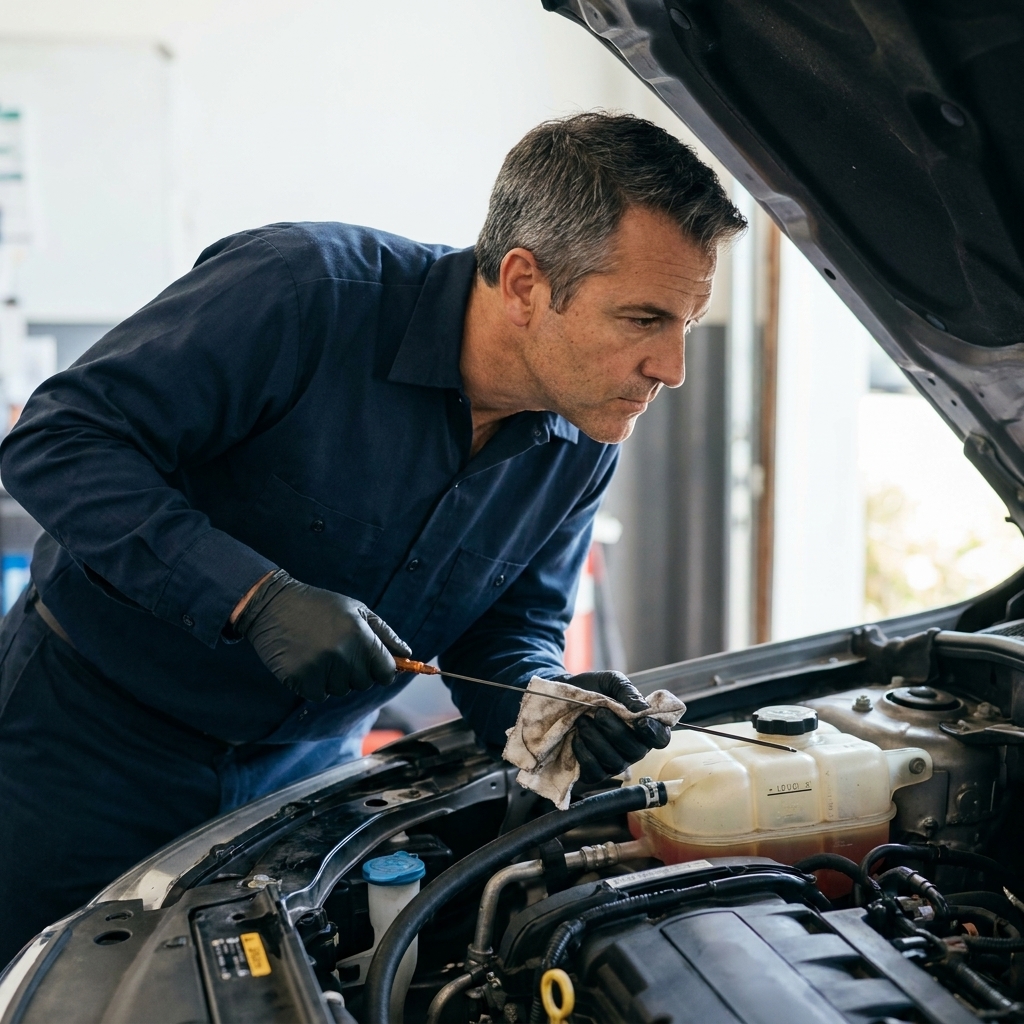
1) Check oil monthly, not just at oil changes
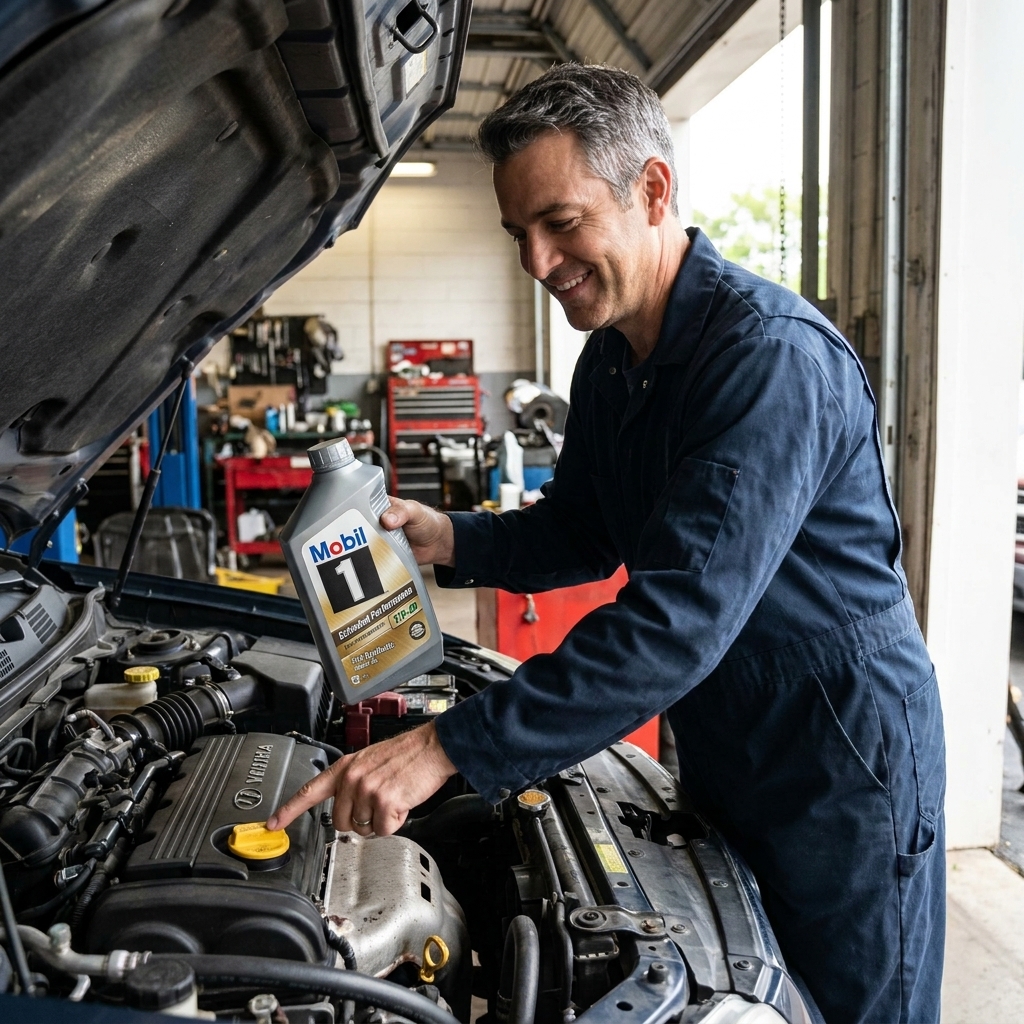
Oil changes matter, but oil level is just as important for day-to-day engine survival. I’ve seen perfectly “maintained” engines die because the owner followed the sticker but never checked the dipstick between visits. Modern engines can consume oil as they age, and some burn oil even when they are relatively new.
Make it a habit
- Once a month (or every other fuel fill-up), park on level ground and check the dipstick.
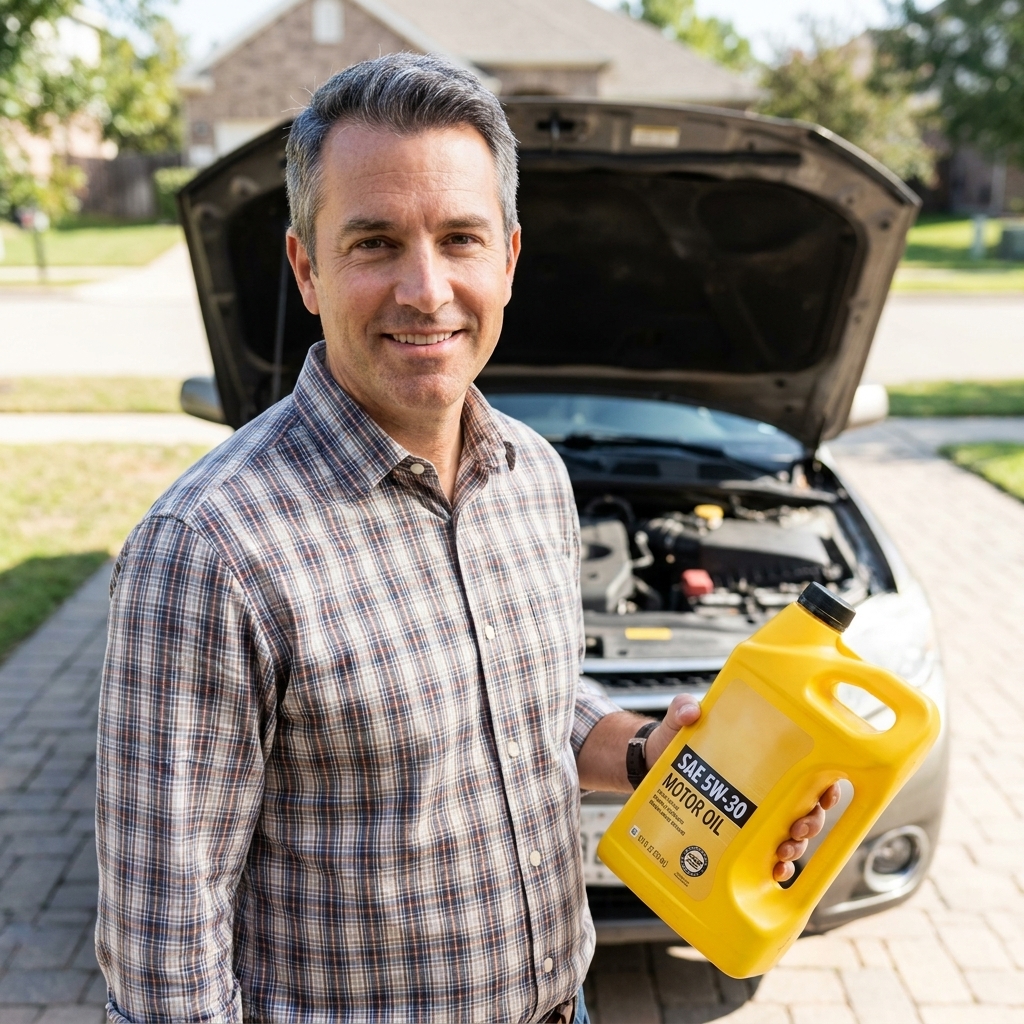
- Top off with the exact viscosity listed on the oil cap or owner’s manual.
- Look at the oil’s appearance. Milky oil can indicate coolant contamination. A sudden change is a reason to investigate.
Why it extends lifespan: Running low is one of the fastest ways to wipe out timing components, bearings, and turbochargers.
2) Use severe service intervals when they apply
Most drivers fall into “severe service” more often than they realize. Short trips, stop-and-go traffic, cold winters, long idling, towing, and dusty roads all count. These conditions load oil with moisture and fuel dilution, and they are tough on brakes and batteries.
Quick rule of thumb
If your typical drive is under 15 minutes, it often qualifies as severe service, especially in cold weather or heavy traffic. But it is not universal. A steady 15-minute highway drive can warm things up better than a 25-minute crawl across town. The best move is to check your manual’s definition and be honest about your driving.
Why it extends lifespan: Severe service intervals reduce sludge buildup, timing chain wear, and premature oil-control ring sticking.
3) Know the big fluids and watch for leaks
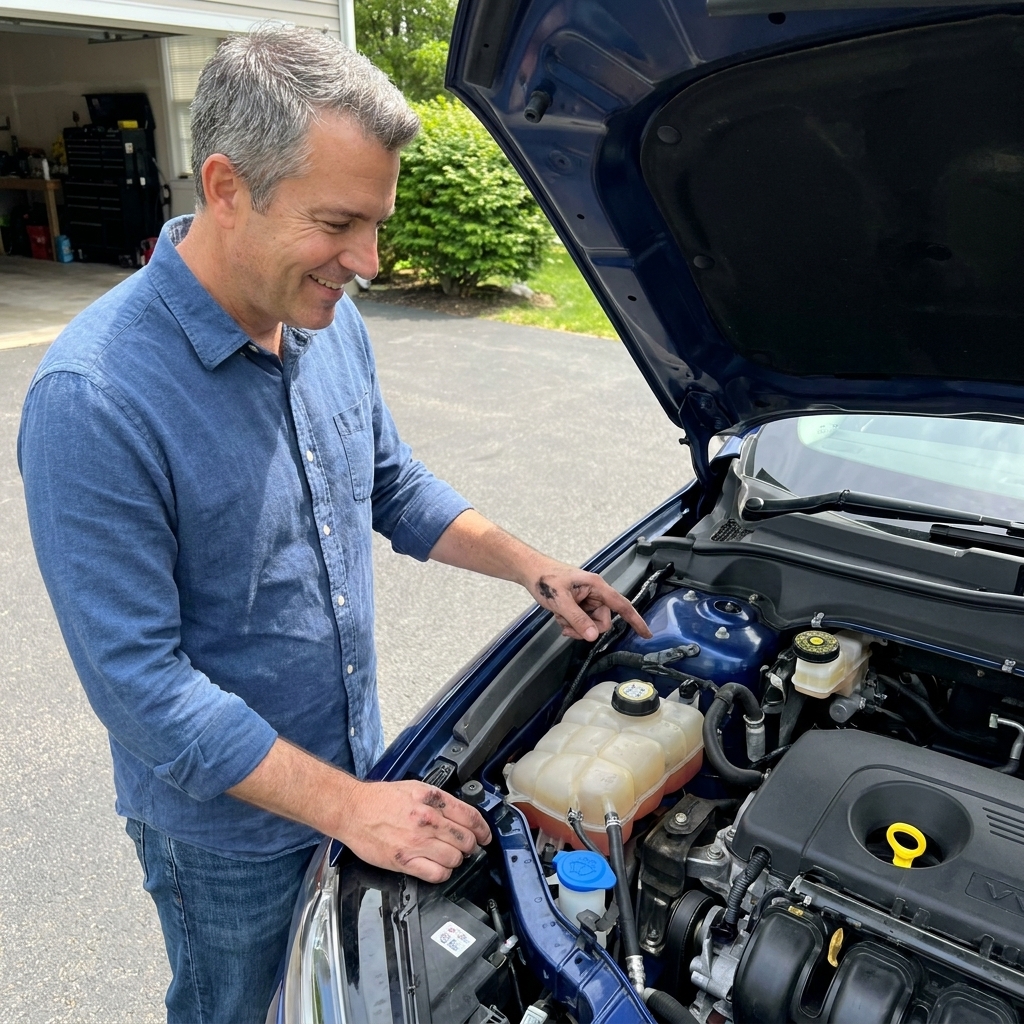
Fluids are the quiet life support system of your car. You do not need to be a mechanic to keep an eye on them. A quick look under the hood and a peek at your parking spot can save you from overheating, transmission failure, or a smoked power steering pump.
The big ones to monitor
- Engine oil (level and condition)
- Coolant (level in the overflow tank when cold)
- Brake fluid (level and condition)
- Transmission fluid (where serviceable, follow your manual for checking)
- Washer fluid (sounds minor, but visibility prevents accidents)
Brake fluid reality check: Color is a rough clue, not a lab test. Moisture contamination is the real issue, which is why many manufacturers call for periodic replacement. Also, brake fluid level can drop as pads wear, so a small change is not automatically a leak. A sudden drop is a different story.
Leak clue: If you smell something sweet (coolant), burnt (oil), or notice a new puddle, do not wait for “later.” Later is when a small seep becomes a big repair.
4) Stop overheating before it starts
Overheating is one of the quickest ways to turn a perfectly good engine into a money pit. One bad drive home with the temperature needle pegged can warp a cylinder head or blow a head gasket.
Your monthly cooling habit
- Glance at your coolant level in the overflow tank when the engine is cold.
- Pay attention to the temperature gauge. If it behaves differently than normal, treat that as a warning.
- Listen for the radiator fan cycling on and off when the A/C is running and the car is stopped.
Pro tip: If the temp warning light comes on, pull over safely and shut it down. And never open a radiator cap or pressurized coolant tank when the engine is hot. Let it cool first.
Also: Checking level helps, but coolant is still a service item. Follow your manufacturer’s interval for coolant replacement to keep corrosion inhibitors doing their job.
5) Service the transmission the right way
Transmission fluid does not last forever. Heat and friction break it down, and worn fluid stops protecting clutches, valve bodies, and bearings. The people who get 200,000-mile transmissions are rarely the ones who “never touch it.” They are usually the ones who service it before it starts slipping.
Practical guidance
- Check your owner’s manual for the service interval and the correct fluid spec.
- If the manual is vague, a common real-world interval for many automatics and CVTs is 30,000 to 60,000 miles, especially under severe service. Some vehicles legitimately go longer, so let the OEM schedule be your anchor.
- Use the correct procedure. Some transmissions prefer a drain-and-fill. Some have specific fill temperatures and level-check steps. A “universal” flush is not always the right move.
Why it extends lifespan: Fresh, correct fluid maintains friction characteristics and cooling, which are critical for long-term reliability.
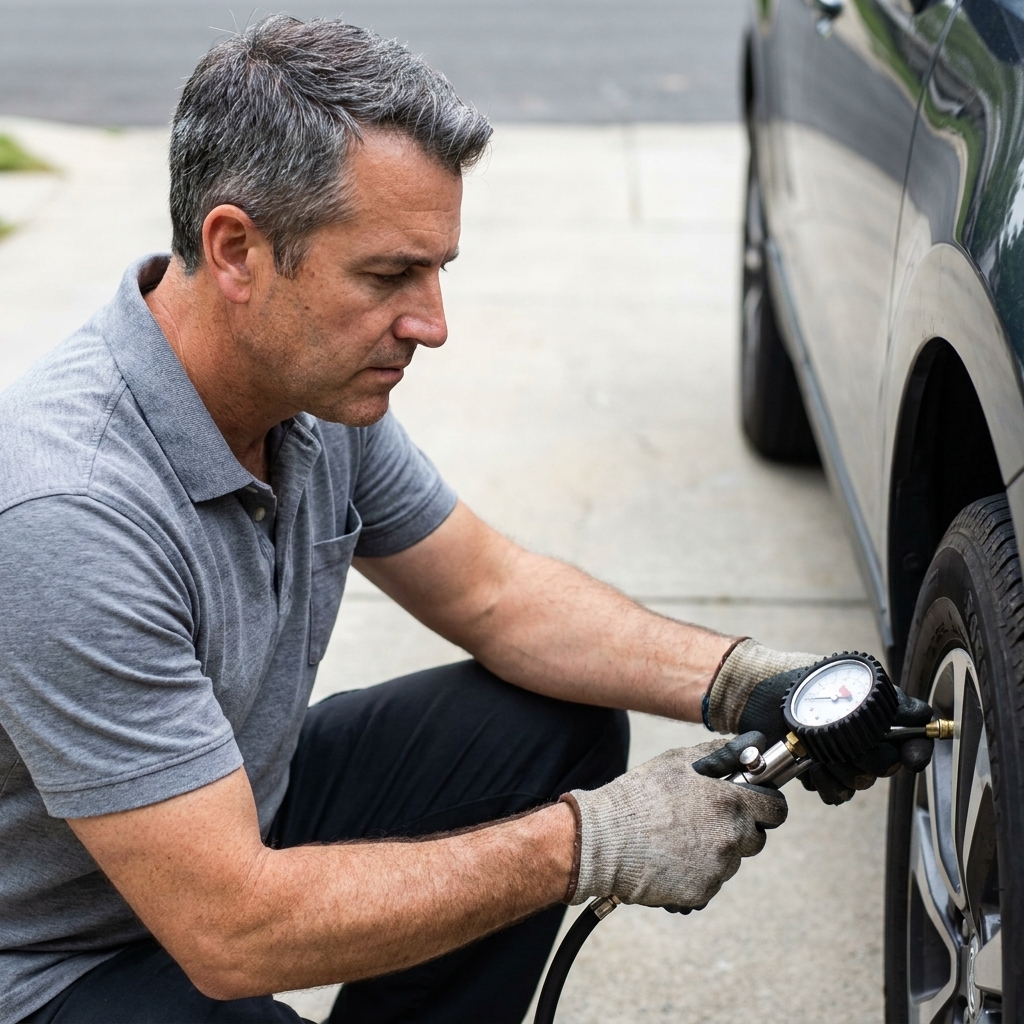
6) Keep tires inflated and rotate on schedule
Tires affect more than fuel economy. Incorrect pressure and uneven wear put extra strain on wheel bearings, suspension bushings, steering components, and even driveline parts on AWD vehicles.
Easy routine
- Check tire pressure monthly when tires are cold.
- Use the pressure on the driver’s door jamb sticker, not the tire sidewall.
- Rotate every 5,000 to 7,500 miles (a lot of people sync this with oil changes).
Extra credit: If you feel vibration at highway speed or your steering wheel sits off-center, do not ignore it. Alignment and balance issues chew through tires and suspension parts fast.
7) Wash the underside and fight rust
I’m a Michigan kid. I’ve seen good cars rot from the bottom up while the engine still ran great. Rust is not just cosmetic. It can take out brake lines, fuel lines, subframes, suspension mounts, and rocker panels. Once structural rust gets serious, the car becomes unsafe and uneconomical.
Rust-prevention habits that work
- In winter, wash regularly and choose a wash that includes an underbody rinse.
- After salt season, do a thorough clean, including wheel wells.
- Inspect rocker panels, pinch welds, and subframe areas a few times a year.
Why it extends lifespan: In snowy climates, rust is a common reason otherwise-reliable cars get retired early.
8) Replace filters before they become a problem
Filters are cheap compared to the components they protect. A severely clogged engine air filter can reduce performance. A neglected cabin air filter can strain the blower motor and make the car smell musty. A fuel filter (when serviceable) can reduce fuel pressure and stress the pump.
What to do
- Engine air filter: inspect at oil changes and replace based on condition.
- Cabin air filter: typically every 15,000 to 30,000 miles, sooner in dusty areas.
- Fuel filter: follow the manual. Some are “lifetime” in-tank designs, others are service items.
Tip from the shop: If you drive dirt roads, construction zones, or you sit in traffic a lot, expect filters to load up faster.
9) Do not ignore small changes
Cars almost always whisper before they scream. The most expensive breakdowns I saw started as small symptoms that were easy to dismiss: a faint rattle on cold start, a slight pull while braking, a check engine light that “comes and goes.”
Your two-drive rule
If a new noise, smell, warning light, or vibration shows up and it is still there on your second drive, schedule a diagnosis. Catching an issue early can turn a big repair into a small one. For example, fixing a minor coolant seep is a lot cheaper than paying for an overheating event and everything that follows.
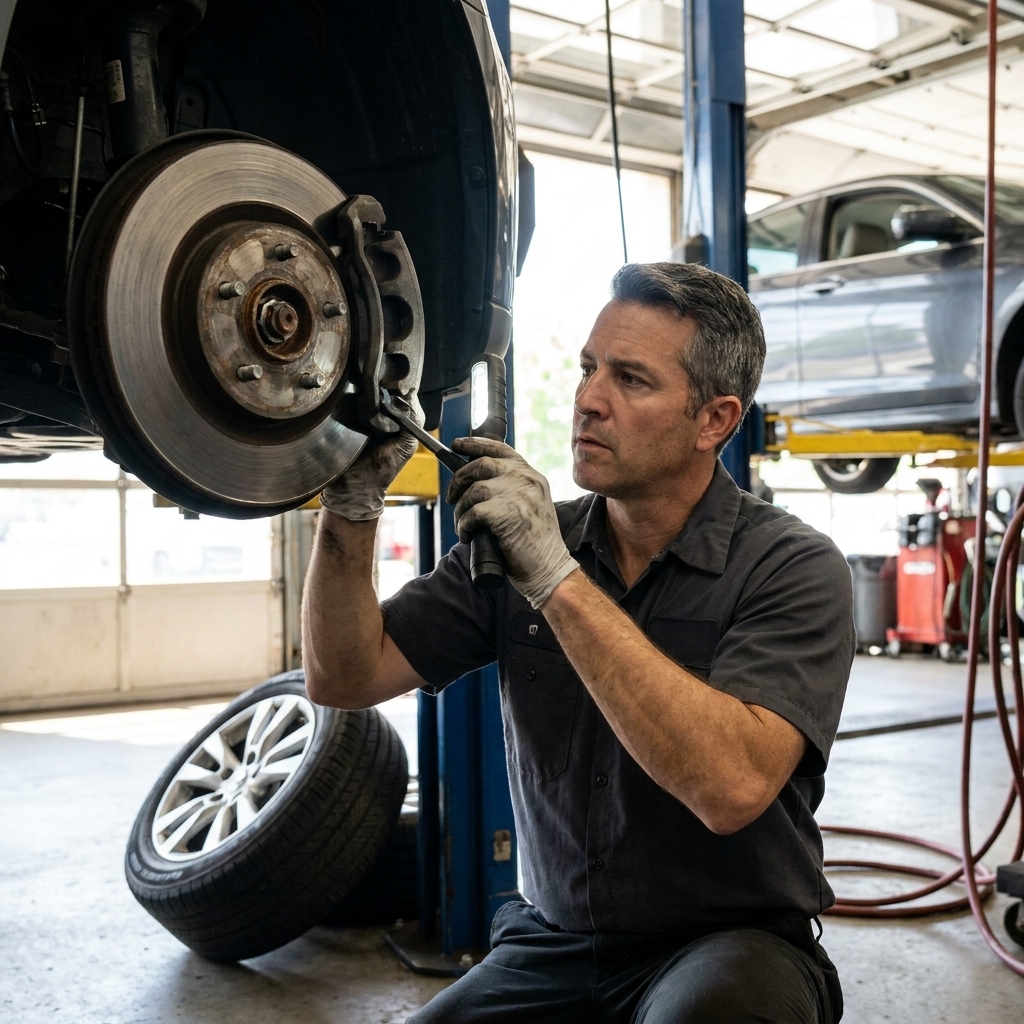
- Squeal when braking can become metal-on-metal pads and damaged rotors.
- A minor coolant smell can become an overheating event.
- A misfire can destroy a catalytic converter if ignored.
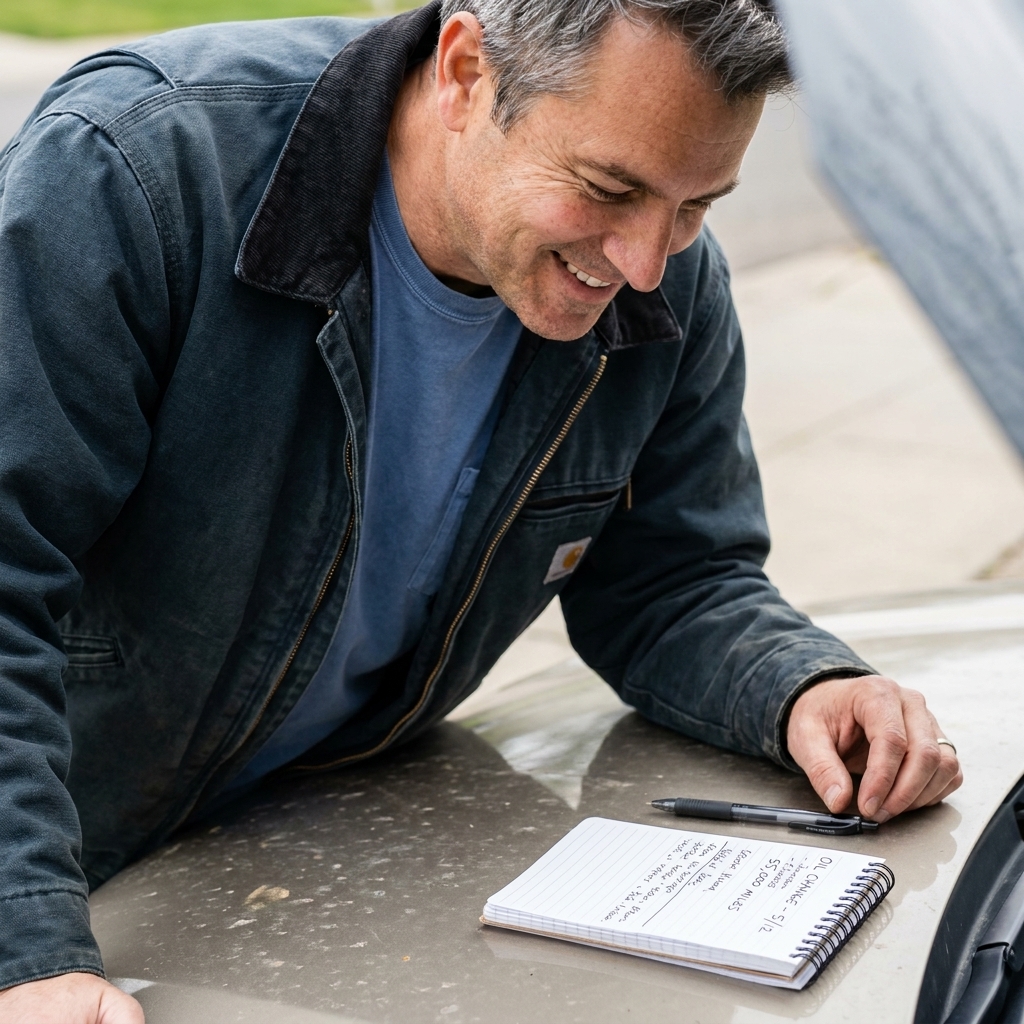
10) Keep a maintenance log
This is the unsexy habit that separates 120,000-mile cars from 250,000-mile cars. Memory is unreliable. A simple log keeps you from missing intervals, helps you spot patterns (like repeated battery failures), and boosts resale value.
Make it simple
- Use a notes app, spreadsheet, or a small glovebox notebook.
- Record date, mileage, and what was done.
- Save receipts, especially for major services like timing belt, tires, brakes, and transmission service.
Why it extends lifespan: Consistency prevents maintenance gaps where wear items quietly snowball into major failures.
Do not skip timing belt intervals
This deserves its own callout because it can end an engine in one moment. If your vehicle has a timing belt (not a chain), it usually has a replacement interval. Miss it, and you can be shopping for a new engine, especially on interference designs.
Check your owner’s manual or maintenance schedule and confirm what your engine uses. If you bought the car used and there is no proof it was done, assume it was not and plan accordingly.
Battery basics that prevent no-starts
No-starts are one of the most common “surprise” failures, especially when temperatures drop. You can avoid a lot of them with a few quick habits.
- Clean corrosion from battery terminals and make sure the connections are tight.
- If your battery is getting up there in age, have it load-tested before winter.
- If you see slow cranking, flickering lights, or repeated jump starts, test the charging system, not just the battery.
A simple routine you can keep
If you want a checklist that is realistic for normal life, here is what I recommend to most drivers.
Weekly (30 seconds)
- Quick walk-around: look for a low tire, fresh puddle, or new body damage.
- Glance at the dash after start-up: no new warning lights staying on.
Monthly (10 minutes)
- Check engine oil level.
- Check tire pressures.
- Look at coolant level (engine cold).
- Check brake fluid level and condition.
Every oil change
- Rotate tires (or at least inspect wear).
- Inspect air filter.
- Inspect for leaks, torn CV boots, and uneven tire wear.
By the manual
- Replace brake fluid and coolant at the intervals your manufacturer specifies.
- Confirm timing belt intervals (if equipped).
- Follow the correct transmission service method and fluid spec.
FAQ
Can these habits really double a car’s lifespan?
On many vehicles, yes. If a lot of owners start facing higher-cost repairs in the 120,000 to 150,000-mile range, staying ahead on fluids, overheating prevention, tire care, rust prevention, and early diagnosis can push a well-built car beyond 200,000 miles.
What single habit makes the biggest difference?
If I have to pick one: keep the oil at the proper level and change it on time for your driving conditions. Low oil and neglected oil are both engine killers.
Is it worth maintaining an older car to 200,000 miles?
Usually, yes, as long as the body is not rusting out and the vehicle is safe. Preventive maintenance is almost always cheaper than a car payment. The key is being honest about rust, major leaks, and safety-critical issues like brakes, tires, and steering.
If you adopt even half of these habits, you will be ahead of most drivers. The goal is not perfection. It is catching problems early and keeping wear items from turning into catastrophic failures. That is how you stack miles.